






Turmeric (Haldi): The Golden Healer
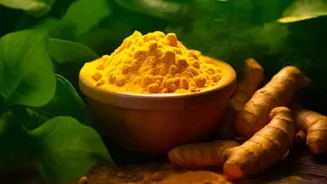
A cornerstone of Indian cooking, turmeric is highly valued in Ayurveda for its medicinal properties. Its power comes from curcumin, a compound known for its potent anti-inflammatory and antioxidant effects. During the monsoon, when the risk of infections
is high, turmeric can help strengthen the immune system. Adding it to daily cooking is believed to help the body fight off harmful pathogens. For maximum benefit, it's often recommended to pair turmeric with a pinch of black pepper, as the piperine in pepper significantly increases curcumin's absorption. A warm glass of turmeric milk (haldi doodh) before bed is a classic comforting remedy to soothe sore throats and support overall wellness.
Ginger (Adrak): The Warming Digestive Aid
Ginger is another indispensable kitchen staple that becomes particularly beneficial during the rainy season. Known for its warming properties, it helps the body adapt to the cool, damp weather. According to Ayurvedic principles, digestion or 'Agni' can become sluggish during the monsoon. Ginger helps stimulate digestive enzymes, making it a powerful aid for an upset stomach, indigestion, and bloating. The bioactive compound gingerol gives it strong anti-inflammatory and antioxidant qualities. Sipping on warm ginger tea, perhaps with a dash of honey and lemon, is a popular and effective way to relieve a sore throat, clear congestion, and boost immunity.
Garlic (Lehsun): Nature's Antibiotic
Garlic is celebrated for its powerful immune-boosting properties. It contains a sulfur compound called allicin, which is released when garlic is crushed or chopped and is known for its antibacterial and antiviral effects. Regular consumption of garlic is thought to enhance the ability of white blood cells to fight infections like the common cold and flu, which are prevalent during the monsoon. Incorporating a few cloves into your daily curries, soups, or dals can provide a strong shield against the rise in waterborne infections that often accompanies the rainy season.
Black Pepper (Kali Mirch): The Bioavailability Booster
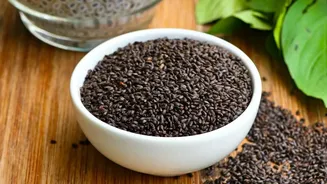
Often used simply as a seasoning, black pepper is a potent spice in its own right. It is known to help prevent indigestion and gas. Its key compound, piperine, not only gives it a pungent flavour but also has anti-inflammatory and antioxidant properties. One of its most significant roles is enhancing the absorption of other nutrients, most notably curcumin from turmeric. Adding black pepper to soups, rasams, or even a simple kadha can help clear nasal congestion and support digestion. This humble spice plays a crucial supporting role in making other remedies more effective.
Carom Seeds (Ajwain): The Gut Soother
Carom seeds, or ajwain, are a traditional remedy for a host of digestive issues that can flare up during the monsoon, such as bloating, gas, and indigestion. Ajwain contains a compound called thymol, which is believed to stimulate the secretion of gastric juices, thereby improving digestion. A simple and effective home remedy is to drink warm ajwain water after meals. To prepare it, you can simply boil a teaspoon of ajwain in water, strain it, and sip slowly. This simple practice can help soothe the digestive tract and provide relief from common stomach discomforts during this season.
Holy Basil (Tulsi): The Immunity Defender
Tulsi is a revered herb in Ayurveda, known for its ability to support respiratory health and build a stronger immune system. It possesses strong antimicrobial and antiviral qualities, making it an excellent defence against common monsoon ailments like coughs and colds. Brewing a simple tea by steeping fresh tulsi leaves in hot water is a common practice to help relieve coughs and protect against pathogens. Often combined with ginger and black pepper in a traditional kadha, tulsi helps fortify the body's natural defences during the changing weather.