







A Strategic Shift in the Engine Room
Meta has announced that Santosh Janardhan, its long-time head of infrastructure and co-head of engineering, will be stepping down in early 2027. Janardhan, who has been with the company since its earlier days as Facebook in 2009, has been a pivotal figure
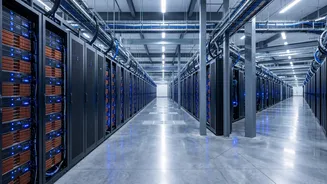
in building the vast network of data centres, hardware, and software that supports its global services. His departure marks a significant moment for the tech giant as it pivots aggressively towards artificial intelligence. Stepping into this crucial role is Dave Brown, a former senior vice president from Amazon Web Services (AWS) who joined Meta earlier this year. Janardhan will remain with the company through the first quarter of 2027 to ensure a smooth transition, after which he will move into an advisory role for Meta Compute.
The Veteran Architect and the Cloud Expert
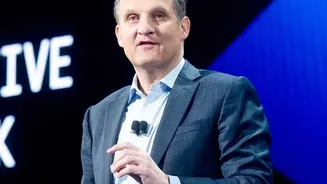
Santosh Janardhan's 17-year tenure saw him oversee the scaling of Meta's infrastructure from a social media platform to a multi-billion user ecosystem encompassing Facebook, Instagram, WhatsApp, and Threads. He was instrumental in developing everything from the data centres to the company's custom silicon efforts. In January 2026, he also took on co-leadership of Meta Compute, a strategic initiative to manage the enormous computing capacity needed for the company's AI goals. His successor, Dave Brown, brings a different but equally critical set of experiences. Having spent nearly two decades at AWS, Brown was part of the early team that built its core EC2 cloud computing service. His expertise lies in building and operating dependable, large-scale infrastructure for demanding workloads, a skill set Meta clearly values as it builds out its AI capabilities.
Why Infrastructure Is the New Front Line
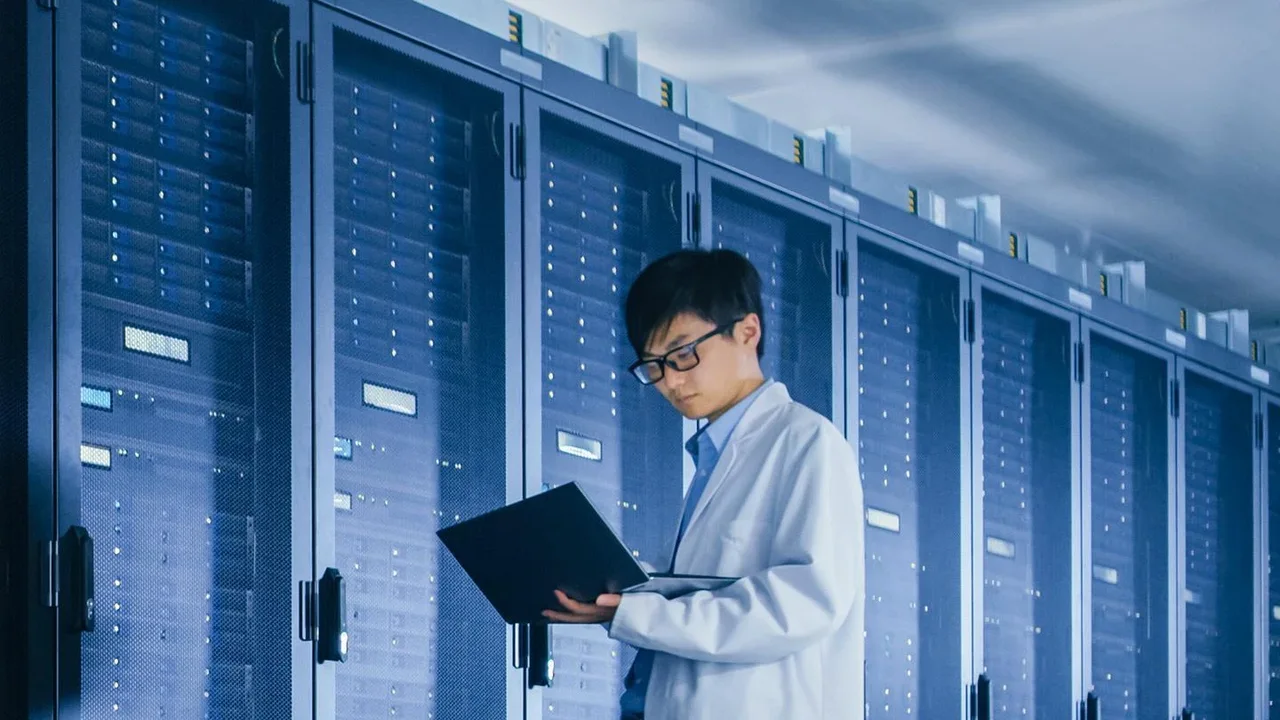
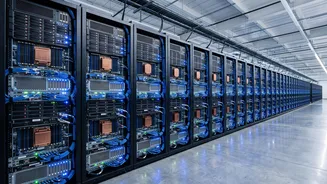
For tech giants like Meta, infrastructure is no longer just a support function; it's a primary strategic advantage. This physical foundation—comprising custom hardware, global data centres, and advanced networking—is what makes modern AI possible. Training large language models like Llama and running complex recommendation algorithms for Reels and ads requires an immense amount of specialized computing power, primarily from GPUs. This leadership change underscores a strategic decision by CEO Mark Zuckerberg to bring in new leaders to manage a period of intense investment and expansion. The company has signaled it will spend between $135 billion and $145 billion on capital expenditures in 2026, with the majority dedicated to this AI infrastructure buildout.
A Bet on Scalable AI-Ready Systems
Hiring a top executive from AWS, the world's largest cloud provider, is a clear signal of Meta's intentions. Brown's experience at AWS is in creating hyper-scalable, efficient, and reliable systems that serve millions of customers with diverse needs. This is precisely the challenge Meta faces internally as it seeks to integrate AI deeply into every product. Brown will not only take charge of the broader infrastructure but will also serve as the chief technology officer of the Meta Compute initiative. This dual role tightly aligns the development of AI-specific hardware with the operational management of the global data centre fleet, a move designed to accelerate Meta's progress in the competitive AI landscape.
Navigating High Stakes and Scrutiny
This transition is happening at a time of both massive investment and increased investor scrutiny. The enormous capital expenditure has impacted the company's free cash flow, leading S&P Global Ratings to revise Meta's credit outlook to negative. The pressure is on Brown and his team to not only build the world's most advanced AI infrastructure but also to demonstrate a clear return on this staggering investment. The move suggests Meta is doubling down on its strategy, believing that owning and operating its own bespoke AI hardware at an unprecedented scale will provide a long-term competitive edge over rivals who may rely more on third-party cloud providers.