
Leaving Food at Room Temperature for Too Long
One of the most common mistakes is leaving cooked food on the kitchen counter for hours after a meal. During the monsoon, warm and humid conditions accelerate bacterial growth. Food that might be safe for a few hours in dry weather can become risky much
faster. Bacteria like E. coli and Salmonella can multiply to dangerous levels in as little as two hours in such an environment. The rule of thumb is to refrigerate leftovers within two hours of cooking. If the temperature is high, aim for even sooner. This simple habit is your first line of defence against food poisoning.
Storing Leftovers Improperly
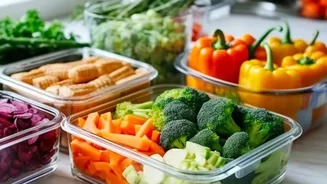
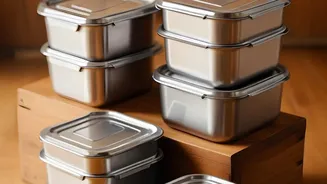
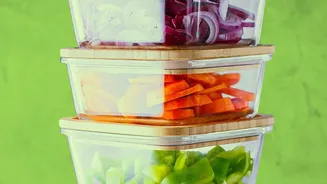
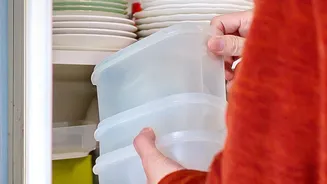
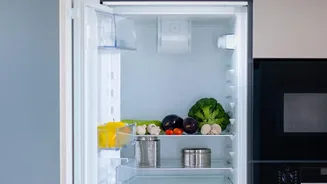
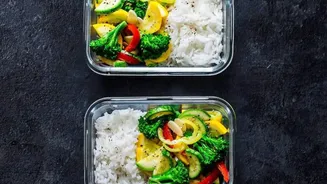
Simply putting a plate in the fridge isn't enough. Improper storage can lead to contamination and spoilage even in the cold. Always use airtight containers. This prevents the food from absorbing moisture and odours from other items in the refrigerator and, crucially, protects it from airborne pathogens. Never store raw and cooked foods together, as this can cause cross-contamination. Keep cooked leftovers on a higher shelf and raw meats and vegetables on lower shelves to prevent any drips from contaminating prepared food. A clean and organised refrigerator is essential for food safety.
Reheating Food Incorrectly
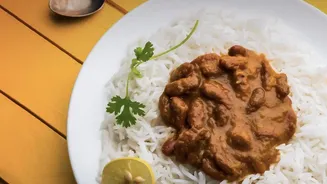
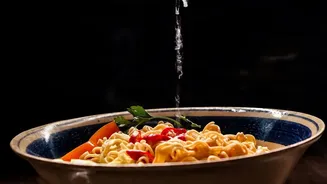
When it's time to eat leftovers, just warming them up slightly is a major error. Food must be reheated thoroughly to a high temperature to kill any bacteria that may have developed during storage. For most foods, this means bringing them to a rolling boil if it's a curry or soup, or ensuring it is steaming hot throughout if you're using a microwave. Stirring the food partway through helps ensure even heating. Eating leftovers lukewarm allows any surviving bacteria to continue multiplying, defeating the purpose of reheating and putting you at risk for an upset stomach.
Keeping Leftovers for Too Many Days
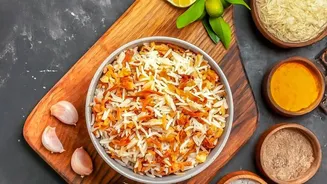
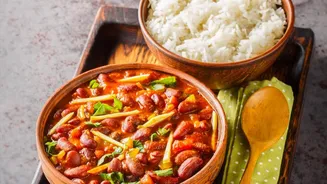
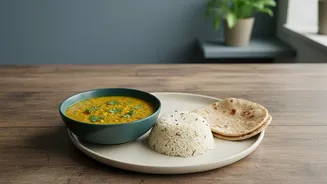
Even with perfect refrigeration, leftovers don't last forever. The monsoon's dampness can affect the efficiency of refrigerators, especially during frequent power cuts. As a general guideline, consume most cooked leftovers within one to two days. Items like cooked rice are particularly susceptible to bacterial growth and should ideally be consumed the next day. Keeping a mental note or labelling your containers with the date can prevent you from eating something that has been stored for too long. When in doubt, it's always safer to discard old leftovers than to risk getting sick.
Ignoring the Risk from Contaminated Water
Food safety isn't just about the food itself; it's also about the water you use. During the monsoon, the risk of water contamination increases significantly due to overflowing drains and potential sewage leaks into water supply lines. Using this water to wash vegetables, utensils, or even your hands before handling leftovers can introduce harmful pathogens like those causing typhoid and cholera. Always use boiled or purified water for all cooking-related activities, including washing produce and cleaning kitchen surfaces, to minimise the risk of waterborne diseases.
Underestimating Cross-Contamination in the Kitchen
Cross-contamination is a subtle but serious risk. This happens when bacteria from a contaminated source spread to clean food. A classic example is using the same cutting board and knife for raw chicken and then for chopping vegetables for a salad without washing them in between. During the monsoon, when germs are more prevalent, this risk is amplified. Always use separate cutting boards, knives, and utensils for raw and cooked foods. Wash your hands thoroughly with soap and water after handling raw meat, poultry, or seafood and before touching anything else.