


The New Era of 'Less is More'
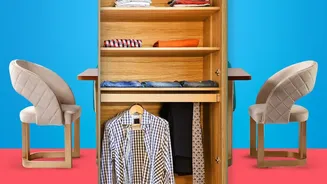
A significant change is sweeping through Indian closets, making the idea of a 'capsule wardrobe' more relevant than ever. This concept, once seen as a Western fad, is finding a firm footing in cities from Mumbai to Bengaluru. The philosophy is simple:
own a curated collection of high-quality, versatile items that can be mixed and matched, rather than a closet overflowing with clothes you rarely wear. This move towards minimalism is not about owning less for the sake of it, but about making intentional choices. It challenges the throwaway culture of fast fashion, encouraging consumers to invest in pieces that last, ultimately saving money and reducing stress.
Redefining the Indian 'Basic'
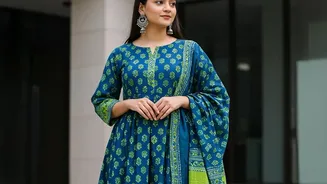
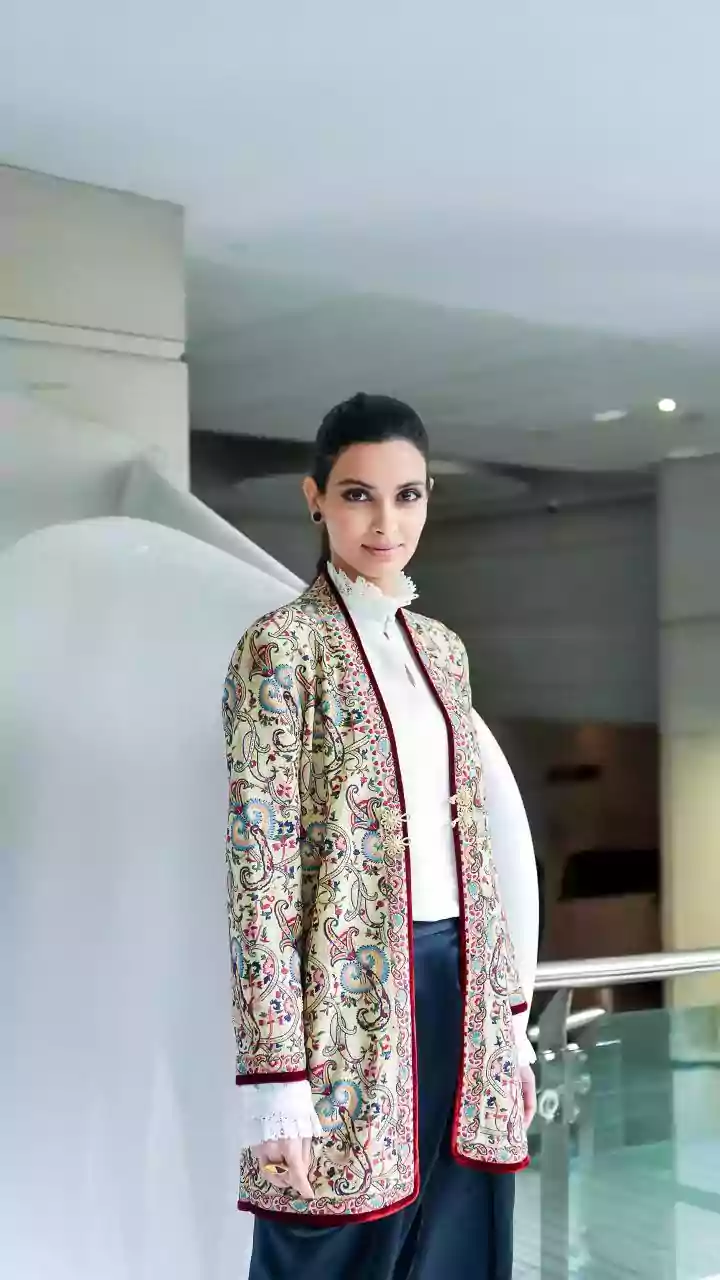
When we talk about basics in India, it's not just about white t-shirts and jeans. The modern Indian staple wardrobe includes items with deep cultural roots, reimagined for everyday use. A well-tailored cotton kurta, a handwoven saree, versatile co-ord sets, and even a classic Anarkali are now considered foundational pieces. These items are celebrated for their ability to be styled in numerous ways. For example, a single kurta can be paired with palazzos, jeans, or churidars, while a saree can be draped differently or worn over pants for a fusion look. The focus is on flexibility and getting maximum wear out of each garment.
The Post-Pandemic Influence
The shift towards practical fashion was significantly accelerated by the COVID-19 pandemic. With the rise of work-from-home culture, comfort and versatility became paramount. The need for formal, office-only attire diminished, and people started gravitating towards relaxed fits and breathable fabrics like cotton and linen. This period of introspection also made many people more conscious of their spending and the unpredictability of life, leading to a desire for timeless, season-less pieces over fleeting trends. The focus has moved to 'quiet luxury' and 'elevated basics'—understated, high-quality garments that convey refinement without relying on logos.
Conscious Consumerism and Sustainability
Beyond just practicality, this trend is deeply connected to a growing environmental consciousness. Indian consumers, particularly millennials and Gen Z, are increasingly aware of the fashion industry's impact on the planet. There's a rising demand for sustainable materials, ethical production, and transparency from brands. This has fueled the 'slow style' movement, which champions quality over quantity and craftsmanship over mass production. People are choosing to invest in fewer, better pieces, calculating the 'cost-per-wear' and recognising that a well-made garment that can be worn many times is a smarter financial and environmental choice.
How to Build a Repeatable Wardrobe
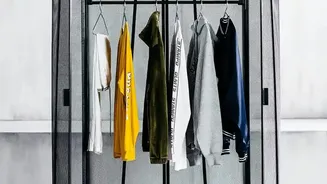
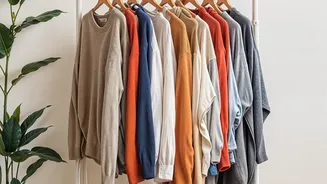
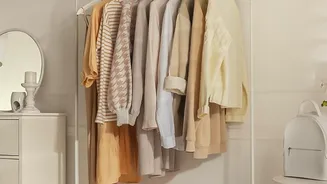
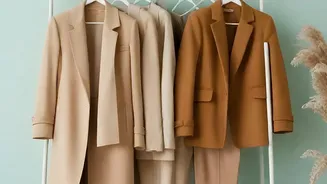
Building a wardrobe of repeatable basics starts with a thoughtful audit of what you already own and what you truly need. Experts suggest starting with a neutral colour palette—like ivory, beige, navy, and grey—which allows for easy mixing and matching. Investing in a few key pieces is a good strategy. This could include a classic silk or Banarasi dupatta, versatile bottoms like palazzos and cigarette pants, and a few well-fitting kurtas in breathable fabrics. The art of repeating an outfit lies in styling. Changing the accessories, footwear, or layering can completely transform a look, making an old favourite feel new again. It's not about hiding the repetition, but celebrating the versatility of a well-loved garment.