






Why Waterlogging is a Plant Killer
We often think of plants drowning, but the reality is they suffocate. Plant roots need oxygen to function, which they absorb from tiny air pockets in the soil. When soil becomes saturated with water for prolonged periods, these air pockets fill up. This
lack of oxygen, known as anaerobic conditions, prevents roots from absorbing nutrients and water effectively. It’s a cruel irony: a plant can be wilting in soggy soil because its roots have stopped working. Furthermore, this damp, oxygen-poor environment is the perfect breeding ground for fungal and bacterial diseases like root rot. Once root rot sets in, it’s incredibly difficult to reverse and often leads to the death of the plant. During the Indian monsoon, with its days of continuous rain, even well-cared-for plants are at risk if their drainage isn't up to the task.
Spotting the Early Danger Signs
Your plants will tell you when they’re in trouble, but the signs can be subtle and easily mistaken for other issues. The most common symptom of poor drainage is yellowing leaves, specifically starting with the lower leaves and progressing upwards. This is different from nutrient deficiency, which can have other patterns. Another key indicator is wilting, even when the soil is visibly wet to the touch. This signals that the roots are compromised and can't deliver water to the rest of the plant. Other signs to watch for include stunted growth, leaf drop, or a generally unhealthy, lackluster appearance. In potted plants, you might notice a sour or musty smell coming from the soil, a clear sign of rot and decay happening below the surface. Catching these signs early gives you a much better chance of saving your plant.
The Simple Drainage Test for Pots and Beds
You don't need special equipment to check your garden's drainage. For potted plants, the test is simple. Water the plant thoroughly until water runs out of the drainage hole at the bottom. Now, watch it. The water should drain out freely and quickly. If it drips slowly, takes more than a minute to appear, or doesn't come out at all, you have a blockage or compacted soil. For garden beds or ground soil, perform a percolation test. Dig a hole about 12 inches deep and 12 inches wide. Fill it with water and let it drain completely. Then, fill it again and use a ruler to measure how much the water level drops in one hour. Ideal drainage for most plants is between 1 and 2 inches per hour. If it drains much slower, your soil is heavy clay and retains too much water. If it's much faster, it's sandy and may not hold enough moisture—though this is less of a problem during the monsoon.
Fixing Drainage in Your Pots
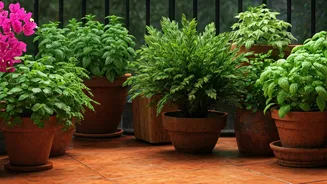
If your potted plants are failing the drainage test, immediate action is needed. First, gently tip the pot and check if the drainage hole is blocked by soil or roots. Use a stick or screwdriver to clear any obstruction. For a more permanent fix, it’s best to repot. When you do, avoid the old myth of adding a thick layer of gravel or broken pot shards to the bottom. This actually creates a false water table and can make root rot worse. Instead, focus on the potting mix itself. Create a well-draining medium by mixing your regular potting soil with materials like cocopeat (which retains moisture but allows air pockets), perlite, or even coarse sand. Ensure the new pot has adequate drainage holes. Finally, consider placing your pots on small 'pot feet' or bricks to elevate them slightly off the ground, allowing air to circulate underneath and ensuring water can escape freely.
Improving Your Garden Beds
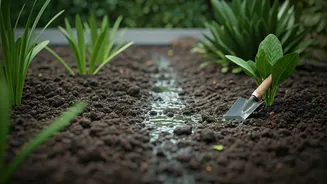
Fixing drainage in a garden bed requires a bit more effort but is crucial for long-term plant health. The best solution is to amend the soil structure. If your soil is heavy clay, you need to incorporate organic matter. Dig in generous amounts of mature compost, leaf mould, or well-rotted manure. This improves soil structure, creating more air pockets. You can also mix in coarse sand to help break up the clay. For severely waterlogged areas, creating raised beds is an excellent option. By building a frame and filling it with a high-quality, well-draining soil mix, you lift your plants' roots above the problem area. A simpler, short-term fix is to dig shallow trenches or channels around your planting areas to divert excess surface water away from the plants' root zones. This is particularly effective on sloped ground.