
From Opulence to Organic
For years, a certain type of urban luxury dominated interior design magazines and social media feeds. It was a look defined by sharp lines, polished marble, gleaming brass, and bold jewel tones. This 'flashy' décor aimed to impress, creating a sense of drama
and opulence. Think high-gloss kitchens, velvet statement sofas, and perfectly symmetrical arrangements that felt more like a showroom than a living space. While visually striking, this style often prioritized a look of performative luxury over lived-in comfort. It was a design language that spoke of status, but as our lives have evolved, so have our priorities for the spaces we inhabit.
The Rise of Earthy Aesthetics
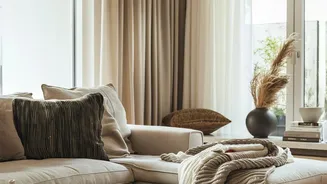
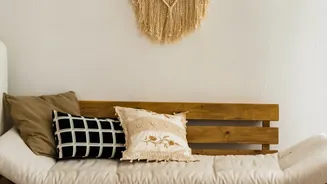
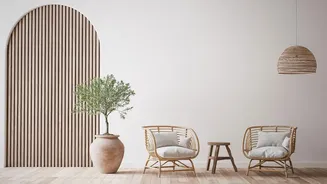
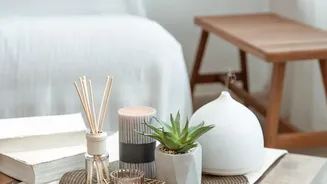
In stark contrast, 'earthy design' is taking root in city apartments and homes across India. This aesthetic is less about making a statement and more about creating a feeling of sanctuary. It draws its palette directly from nature: warm terracotta, soft sage green, sandy beiges, and deep browns. The materials are tactile and authentic, favouring natural wood, stone, linen, rattan, and handcrafted ceramics over synthetic, mass-produced items. The emphasis is on texture, imperfection, and a sense of calm. This style finds beauty in the organic and the understated, creating spaces that feel grounding and restorative.
A Sanctuary from Modern Stress
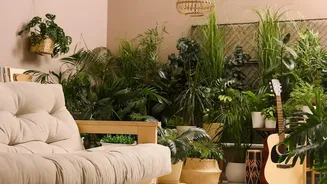
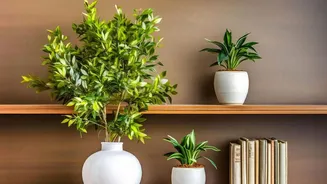
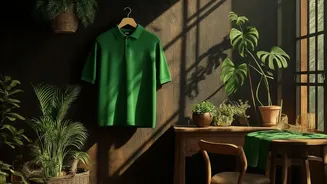
So, why the shift? Experts point to a collective desire for wellness and a retreat from our hyper-connected, often stressful urban lives. A home filled with natural colours and textures has a psychologically calming effect, promoting a sense of stability and tranquillity. This trend, often linked with design philosophies like Biophilia—our innate need to connect with nature—is a direct response to spending our days surrounded by concrete and screens. Bringing plants, natural light, and organic materials indoors helps counterbalance urban fatigue and re-establishes a bond with the natural world, which studies show can reduce stress and improve mental clarity.
Comfort and Authenticity Over Clutter
The move toward earthy design also reflects a broader cultural shift away from conspicuous consumption and toward something more meaningful. After a period where maximalism—a style defined by an abundance of colour, pattern, and objects—had its moment, many are now seeking a more considered approach. While maximalism celebrates self-expression through curated collections, it can sometimes tip into what feels like visual clutter. Earthy minimalism, as some designers call it, offers a warmer, more soulful alternative to stark, cold minimalism. It’s not about having less, but about choosing items with intention and personal significance, creating a home that tells a story rather than just showing off trends.
How the Look Comes to Life
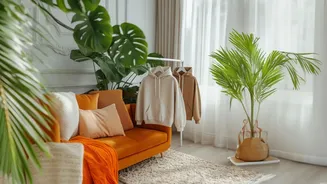
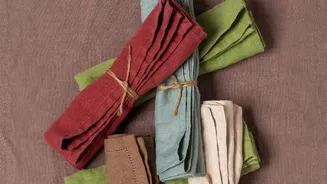
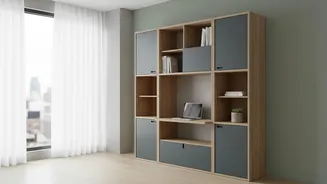
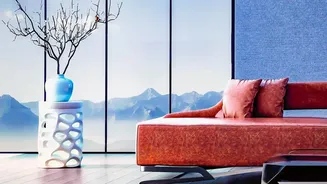
In practice, this trend materialises in a few key ways. Large windows with sheer curtains maximise natural light. Furniture takes on softer, more organic shapes, moving away from hard-edged geometry. Walls may be finished with tactile materials like lime wash or plaster. Accessories are often artisanal, from hand-woven textiles to unique pottery, celebrating craftsmanship over mass production. It’s a style influenced by the Japanese appreciation for imperfection (Wabi-Sabi) and the Scandinavian talent for cozy simplicity (Hygge), resulting in spaces that feel both sophisticated and deeply comfortable. The rise of earthy design in urban India is about creating homes that are not just beautiful to look at, but are also nurturing to the soul.