






The Global Thermometer Problem
Imagine trying to measure a fever with a dozen different thermometers. Some might read a little high, others a little low. While each might be close, the small variations make it hard to know the exact temperature with absolute confidence. This is the challenge
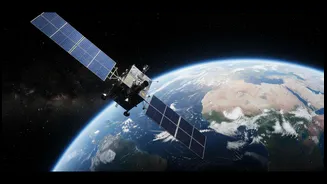
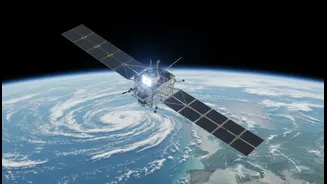
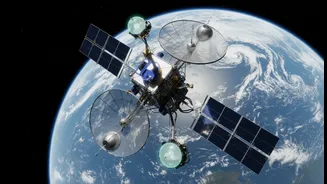
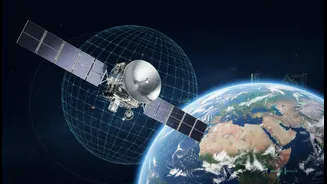
climate scientists face. Hundreds of satellites, operated by different space agencies and companies worldwide, are constantly monitoring Earth. They measure everything from sea surface temperature to the amount of sunlight reflected back into space. While incredibly valuable, these instruments can have tiny, built-in biases or lose sensitivity over time. Over decades, these small discrepancies can add up, creating uncertainty in long-term climate records and making it harder to detect subtle but critical trends. This is where the need for a universally accepted standard becomes crucial.
A Metrology Lab in Space
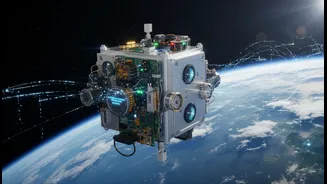
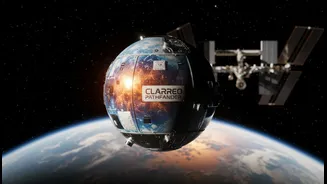
Enter the Climate Absolute Radiance and Refractivity Observatory (CLARREO) Pathfinder. This NASA instrument, installed on the International Space Station (ISS) in May 2026, is not just another climate sensor; it is designed to be a 'metrology lab in space'. Its primary goal isn't just to collect data, but to serve as a highly accurate reference point. By measuring sunlight reflected from Earth and the Moon with unprecedented accuracy—five to ten times better than existing sensors—it establishes a benchmark that other satellites can be compared against. This process is known as intercalibration. CLARREO Pathfinder is a technology demonstrator, proving that this level of on-orbit accuracy is achievable and can create a gold standard for all Earth observation data.
The Power of Calibration
Calibration is the process of ensuring an instrument's measurements are true to a known standard. For most satellites, this is done on the ground before launch. However, the harsh environment of space can alter an instrument's performance over time. CLARREO Pathfinder’s breakthrough is its ability to maintain its calibration while in orbit by regularly pointing at stable targets like the Sun and the Moon. This allows it to anchor its measurements to international standards with a high degree of certainty throughout its mission. When another satellite like those in the CERES or VIIRS series crosses its path, CLARREO Pathfinder can take a simultaneous measurement of the same spot on Earth. By comparing the readings, scientists can fine-tune the data from the other satellite, effectively correcting its 'thermometer' against the master reference.
More Confidence in Climate Models
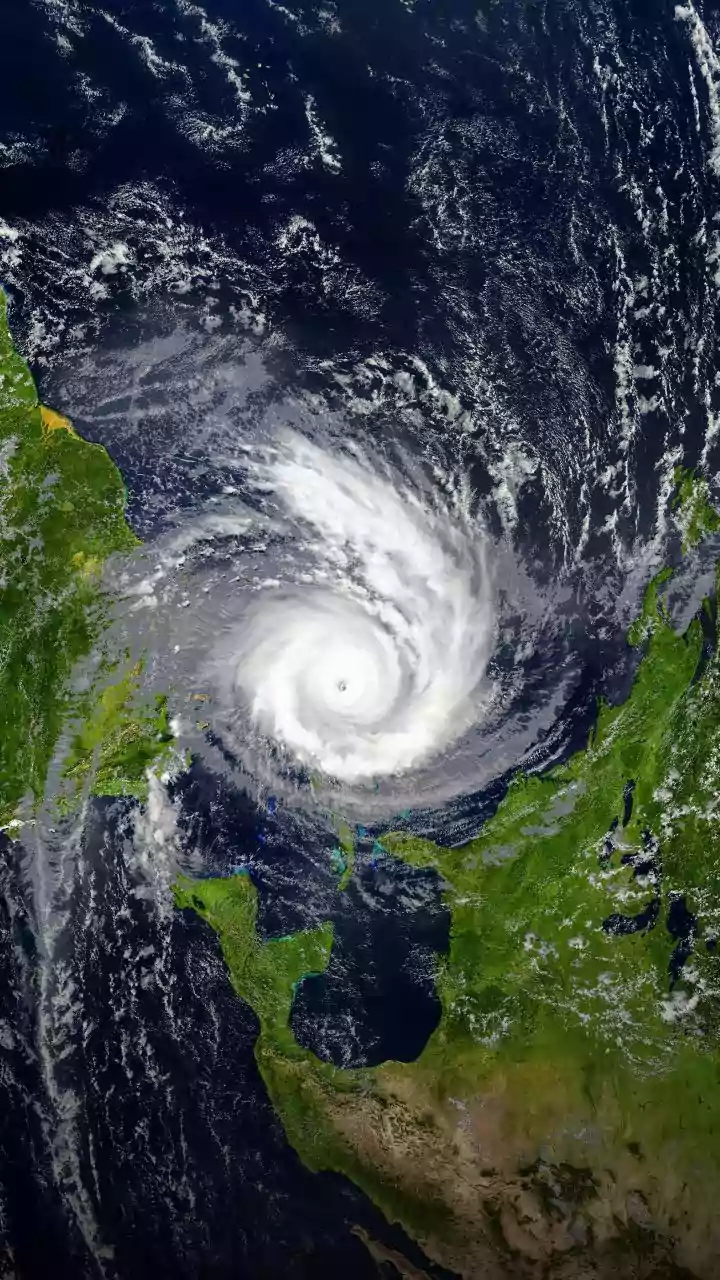
The ultimate benefit of this mission is greater confidence in our understanding of climate change. The main variable CLARREO Pathfinder measures is Earth's reflectance—how much solar energy is bounced back into space. This is a critical component of Earth's energy budget, which dictates global warming or cooling. By reducing the uncertainty in these measurements, scientists can build more accurate and reliable climate models. Having a trustworthy, interconnected global observing system allows researchers to detect climate trends decades sooner than would otherwise be possible. This, in turn, provides policymakers with more definitive information to make informed decisions about mitigating and adapting to climate change.
A Legacy of Accuracy
The CLARREO Pathfinder, which captured its first science data in the summer of 2026, is planned for a one-year mission aboard the ISS. While a short mission, its impact is designed to be long-lasting. By demonstrating the value and techniques of high-accuracy intercalibration, it paves the way for future operational missions. It also improves the utility of the Moon as a stable calibration source for all satellites, past and present. This mission showcases a foundational technology that enhances the value of the entire global fleet of Earth-observing satellites, both governmental and commercial. By making our eyes in the sky more trustworthy, CLARREO Pathfinder helps ensure that the picture we have of our changing planet is as clear and accurate as possible.