






A New Global Health Warning
A preliminary modeling study presented at the American Heart Association's Hypertension Scientific Sessions 2026 has delivered a powerful message: effectively controlling high blood pressure could prevent more than 518,000 cardiovascular deaths annually
across 20 selected upper- and lower-middle-income countries. The research, led by a team from Johns Hopkins University School of Medicine, analysed existing health data to model the impact of expanding preventive care. The study's core finding is that out of several key preventive services—including statin therapy for high cholesterol and glucose control for diabetes—improving blood pressure management had the single greatest potential to save lives. This highlights a massive opportunity in global public health, but it also reveals a troubling gap in current care. The research is considered preliminary until it is published in a full peer-reviewed journal.
The Sobering Statistics
The modeling study paints a stark picture of under-treatment. It found that only about one in five adults with hypertension in the 20 countries studied had their condition under control, defined as a blood pressure reading below 140/90 mm Hg. This low rate of control exists despite high blood pressure being the most prevalent and modifiable risk factor for cardiovascular disease, which can lead to heart attacks, strokes, kidney damage, and heart failure. The researchers calculated what would happen if these countries could increase their preventive care to levels seen in high-performing US health systems, reaching about 80% of eligible patients. The result was the projection of preventing 518,476 cardiovascular deaths each year from blood pressure control alone.
The Indian Context
While the 20 countries in the modeling study were not individually named in the preliminary reports, the findings are profoundly relevant for India. The country is grappling with what some experts have called a hypertension epidemic hiding in plain sight. Recent data from India's National Family Health Survey (NFHS-6) showed that 22.1% of men and 19.4% of women aged 15 and above have elevated blood pressure or are taking medication for it. Other estimates suggest over 220 million Indians live with hypertension. Alarmingly, studies indicate that a huge percentage of people with hypertension are unaware they have it, and of those diagnosed, only a small fraction—perhaps as low as 10-12%—have their condition adequately controlled. This aligns with the global study's findings of widespread under-treatment and underscores the urgent need for better awareness and management within India.
From a Silent Killer to a Solvable Problem
Hypertension is often called the 'silent killer' because it typically has no symptoms until it causes significant damage. The primary triggers in India are linked to modern lifestyles: high-sodium diets, lack of physical activity, rising obesity rates, tobacco use, and chronic stress. A WHO report has previously estimated that if India could get half of its hypertensive population to control their blood pressure, 4.6 million deaths could be prevented by 2040. Initiatives like the India Hypertension Control Initiative (IHCI) are already working to address this by strengthening primary healthcare, standardizing treatment protocols, and ensuring a steady supply of affordable medication. The new global study reinforces the life-saving importance of these efforts, showing that simple, effective management is the most powerful tool available.
What This Means For You
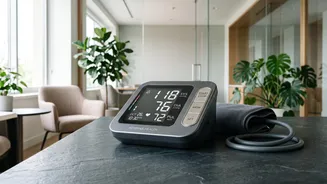
The message from this global research is clear: knowing and managing your blood pressure is critical. The American Heart Association's guidelines recommend a target blood pressure of below 130/80 mm Hg for adults. The first step is awareness. Regular blood pressure screenings are essential, especially as the condition often has no outward signs. If you are diagnosed with high blood pressure, it's crucial to follow medical advice. This often involves a combination of lifestyle changes and medication. Lifestyle adjustments include adopting a heart-healthy diet like the DASH diet, reducing salt intake, engaging in regular physical activity, managing stress, and limiting alcohol. For many, medication is a necessary and life-saving component of treatment, and it's vital to take it consistently as prescribed.