







What is Assisted Cooking, Really?
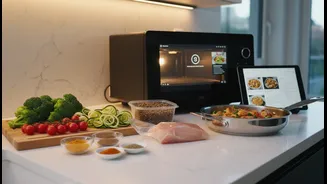
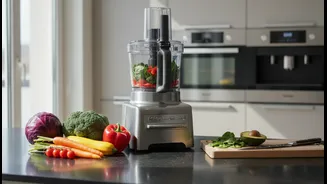
Beyond the futuristic marketing, assisted cooking refers to a suite of technologies designed to take the guesswork out of the cooking process. Think of it as an expert sous-chef built into your appliance. It includes everything from smart ovens with internal
cameras that recognise food, to app-controlled cooktops that guide you step-by-step through a recipe. These systems use sensors, pre-programmed settings, and sometimes artificial intelligence to manage variables like time, temperature, and humidity. Functions can range from basic barcode scanning that sets the oven automatically for a frozen pizza, to complex, multi-stage recipes where the appliance adjusts the heat and cooking method on its own. This technology isn't about just being a fancy timer; it's about creating consistent, repeatable results.
The Promise of Precision
The greatest strength of assisted cooking is its ability to nail the technical aspects of a recipe flawlessly. Integrated food probes ensure your chicken is cooked to a safe temperature without ever becoming dry, while automated functions can maintain the perfect environment for proofing dough or sous-vide cooking a steak to an exact medium-rare. This precision removes a huge amount of stress and mental load, especially for complex or intimidating dishes. No more hovering by the oven, second-guessing timings, or anxiously poking a roast. The machine handles the tedious monitoring, freeing you from the mechanics of cooking and allowing you to focus on other things—whether that's preparing a side dish, entertaining guests, or simply relaxing.
Where Automation Reaches Its Limit
For all its precision, technology has its boundaries. A smart oven can produce a perfectly cooked piece of salmon, but it can't taste it to see if it needs a squeeze of lemon. It can bake a flawless cake, but it can’t decide on the perfect icing or decoration. An automated stirrer can make a risotto, but it lacks the chef’s intuition to know when to add a final knob of butter for richness or a handful of Parmesan for salty depth. Cooking is a sensory experience that involves taste, smell, and sight in ways that cameras and sensors are only beginning to understand. The most delicious food is often born from improvisation and personal touches—things that are, by nature, human.
The Crucial Art of the Finish
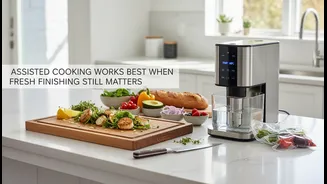
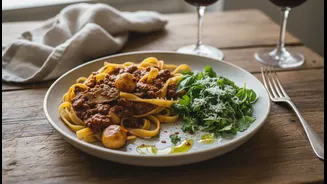
This is where the home cook re-enters the picture and becomes the star. The 'finish' is the final, transformative step that elevates a well-cooked item into a memorable dish. It’s the act of searing a sous-vide steak in a screaming-hot pan to create a flavourful crust. It’s the drizzle of high-quality olive oil and a sprinkle of flaky sea salt on roasted vegetables just before serving. It’s the handful of fresh, chopped herbs stirred into a stew at the last moment to add vibrant flavour and aroma. These finishing touches provide textural contrast, brightness, and a depth of flavour that automation alone cannot replicate. They are the signature of the cook, turning a technically perfect meal into something truly personal and special.
Your New Kitchen Partnership
The best way to approach assisted cooking is not as a replacement for your skills, but as a powerful enhancement of them. Let the technology handle the precise, time-consuming tasks it excels at. Trust it to get the internal temperature of your Sunday roast right every single time. Then, take the baton for the final lap. Use the time and mental energy you've saved to focus on creating a beautiful pan sauce, whipping up a fresh gremolata, or artfully plating the final dish. This collaborative approach allows you to enjoy the benefits of consistency and convenience without sacrificing the creativity and sensory joy that make cooking rewarding. The machine ensures the foundation is perfect, giving you the ideal canvas on which to leave your artistic, and delicious, mark.