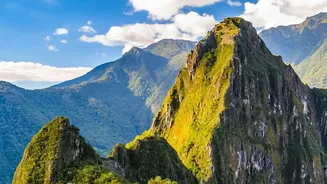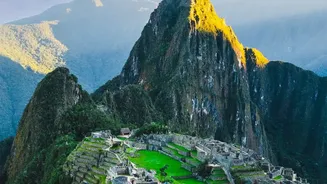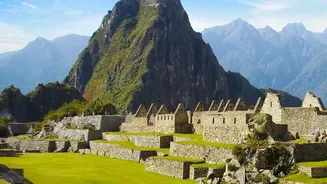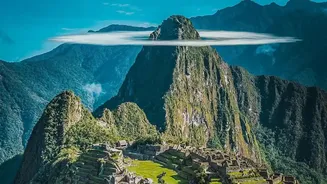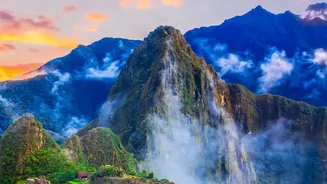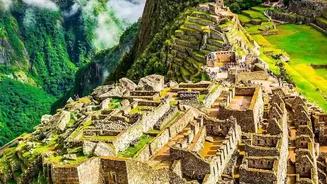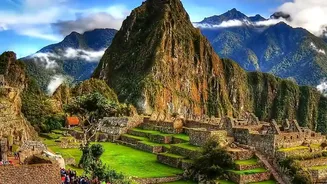

Machu Picchu: The Timed and Crowded Citadel
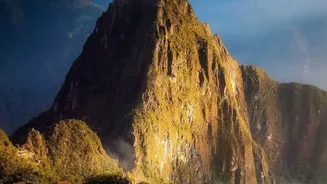
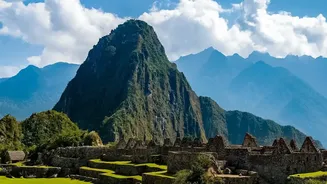
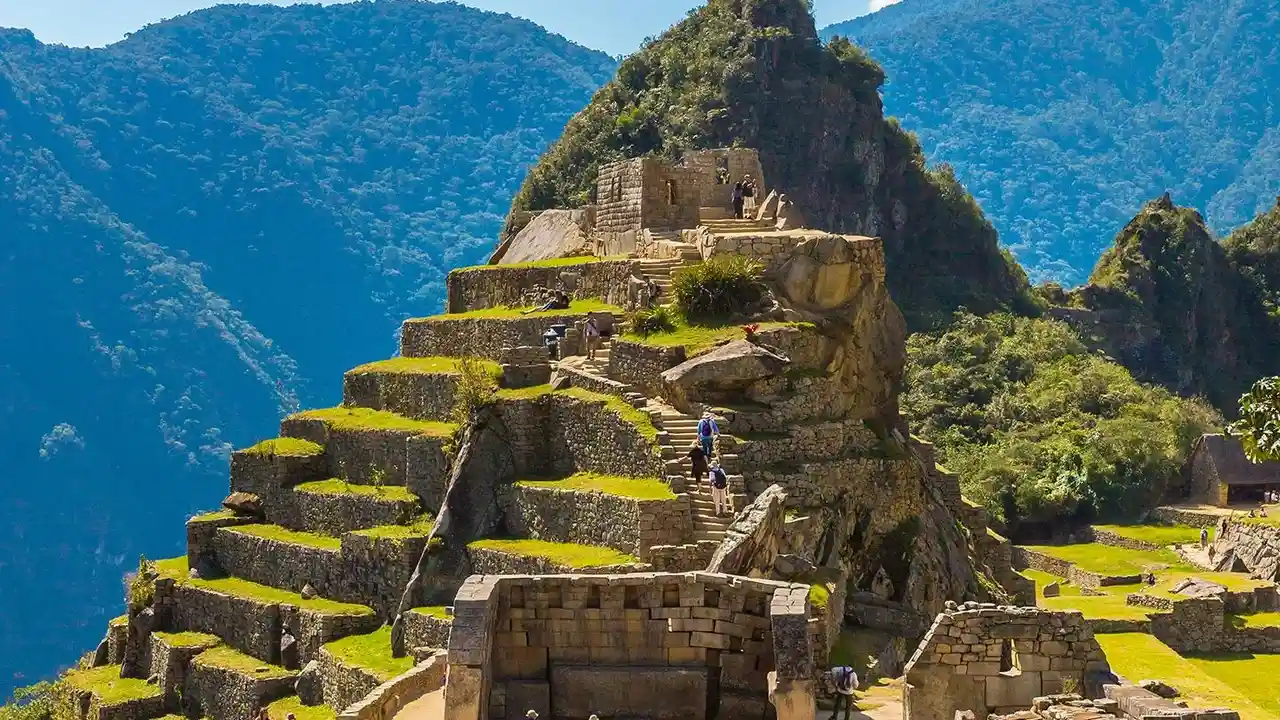
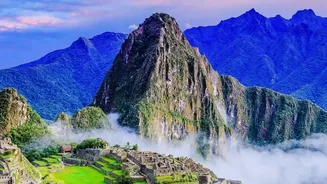
The Expectation: You imagine a mystical lost city shrouded in mist, with llamas peacefully grazing on ancient terraces and a profound sense of discovery as you wander through stone pathways. It’s the hero shot of every trip to Peru for a reason. The Reality:
That spiritual moment is now a highly regulated, tightly scheduled event. Visitor numbers are capped daily, but can still reach over 4,500 people, creating queues for photos and congested pathways. You must book tickets months in advance, choose a specific one-hour entry window, and follow a strict, one-way circuit with a guide. Miss your time slot, and you're not getting in. The bus ride up from Aguas Calientes is expensive, and lines form well before sunrise. The Trade-Off: You get to see one of the New Seven Wonders of the World, an architectural marvel that genuinely exceeds photographs. The trade-off is the loss of spontaneity and solitude. It’s an incredible sight, but it is not a peaceful one. The experience is more like visiting a world-class museum than discovering a lost city. The Alternative: For a more rugged, adventurous experience that captures the 'lost city' feeling, the multi-day trek to Choquequirao is unparalleled. Often called Machu Picchu's 'sacred sister', this sprawling Inca site is still being excavated, receives a tiny fraction of the visitors, and offers a profound sense of isolation in the Andes.
Rainbow Mountain: The Instagram vs. Reality Hike
The Expectation: A shockingly vibrant mountain of candy-coloured stripes, just like the heavily saturated photos that dominate social media feeds. A challenging but rewarding hike to a unique geological wonder. The Reality: The colours are real, but often more muted and earthy than the edited images online suggest. The main challenge isn't just the hike; it's the extreme altitude of over 5,000 meters, which can cause serious sickness. The popularity of Vinicunca, the main Rainbow Mountain, has led to significant overtourism, with reports of up to 1,000 visitors a day, severe trail erosion, and environmental damage, including a wetland being paved over for a parking lot. The trail can feel more like a slow-moving queue than a trek through pristine nature. The Trade-Off: You witness a unique geological formation. But the cost is sharing it with huge crowds and contributing to the environmental strain on a fragile ecosystem. The experience can feel commercialized and rushed. The Alternative: Palccoyo, often called the 'alternative Rainbow Mountain', offers a similar visual reward with far fewer people. The hike is shorter and less strenuous, making it more accessible, and you get to see not one, but a series of colorful hills. It provides the stunning photos without the ethical and physical toll of Vinicunca.
Huacachina: The Tiny Oasis Town
The Expectation: A sprawling, idyllic oasis straight out of a movie, with a pristine lagoon surrounded by vast, empty sand dunes. A tranquil desert paradise for relaxation and adventure. The Reality: Huacachina is geographically unique as South America's only natural desert oasis, and the dune buggy and sandboarding experience at sunset is genuinely world-class. However, the oasis itself is very small—you can walk around it in ten minutes. The town can feel like a tourist trap, with inflated prices and relentless party hostel noise. The lagoon water itself is not suitable for swimming due to algae and water quality concerns. The Trade-Off: You get an adrenaline-pumping adventure in a surreal landscape that is truly unlike anywhere else. The tradeoff is that it’s a highly commercialized, and compact destination, not a peaceful retreat. It’s a place for a thrilling afternoon tour, not necessarily a multi-day stay. The Alternative: There is no direct alternative to the oasis itself. However, to manage the 'tourist trap' feel, a smart move is to stay in the nearby city of Ica. You can enjoy the local culture and prices, then take a short taxi ride to Huacachina for the dune buggy tour, getting the best of the adventure without the overpriced accommodation and all-night noise.
Nazca Lines: The Turbulent, Fleeting View
The Expectation:
A mystical experience,
soaring serenely over massive,
ancient geoglyphs etched into
the desert floor,
pondering one of archaeology's greatest mysteries.
The Reality:
The only way to truly appreciate
the scale of the famous figures
is by air,
but the experience is often not what travelers expect.
The flights take place in small,
cramped propeller planes that make sharp,
banking turns to give passengers on both sides
a view.
This commonly induces motion sickness.
The flight itself is short—around 30 minutes—and can be subject to delays or cancellations due to weather.
The Trade‑Off:
You get a fleeting,
aerial glimpse of a legitimate UNESCO World Heritage marvel.
For those passionate about history,
it's a bucket‑list item.
The trade‑off is a potentially uncomfortable,
turbulent,
and expensive experience for what amounts to
a very short viewing time.
The Alternative:
For a different perspective without
the plane ride,
a viewing tower along the Pan‑American Highway offers
a limited but clear view of a few
of the figures.
Combining this with a visit to the local museum provides crucial context that the flight alone lacks,
helping you understand the culture and significance behind the lines,
turning a quick flyover into a richer historical lesson.