







The Great Climate Escape
For generations, Indians have treated hill stations like Shimla, Mussoorie, Ooty, and Manali as seasonal getaways—a brief, blissful respite from the searing heat of the cities. Today, something is shifting. The seasonal tourist is being joined by a new
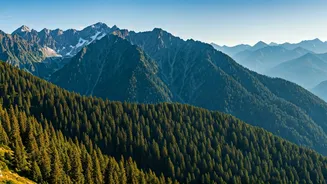
kind of resident: the climate migrant. These aren't just vacationers extending their stay; they are professionals, families, and retirees actively relocating from urban centres like Delhi, Mumbai, and Bengaluru, driven by the search for a more liveable climate. As temperatures in the plains consistently break records and heatwaves become longer and more dangerous, the cool air of the mountains has transformed from a luxury into a perceived necessity.
When the Plains Get Hotter
The science is undeniable. According to multiple studies, including data from the India Meteorological Department (IMD), India is experiencing more frequent, intense, and prolonged heatwaves. Major metropolitan areas, with their concrete jungles and reduced green cover, create 'urban heat islands' that amplify these effects. Temperatures soaring past 45 degrees Celsius are no longer freak occurrences but an expected part of summer. This relentless heat impacts everything from public health and productivity to simple quality of life. The psychological and physical toll of living in a perpetual oven is pushing those with the means to look for an exit strategy, and the most obvious one lies upwards, in altitude.
A Boom in the Hills
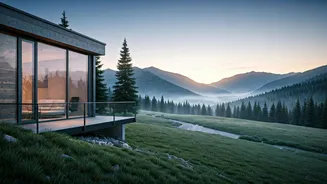
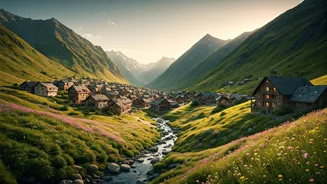
For mountain towns, this influx has created an economic boom, which is the 'win' in this temperature game. The demand for real estate has skyrocketed. Quaint cottages and plots of land that were once affordable are now premium assets. Local economies, previously reliant on the whims of seasonal tourism, are now benefiting from a year-round population of high-income remote workers and long-term residents. This has spurred the growth of new businesses—artisanal cafes, high-speed internet providers, co-working spaces, and upscale restaurants. In places like Kasauli and Landour, a new, more permanent social fabric is being woven, blending long-time locals with city-dwellers seeking a slower, cooler pace of life. On the surface, it looks like a resounding victory for these towns.
The Hidden Costs of 'Winning'
However, this victory is proving to be a double-edged sword. The fragile ecosystems of the Himalayas and the Western Ghats were never designed to support the population density of a mini-metropolis. The very things people are escaping to—serenity, clean air, and open space—are now under threat from their own arrival. Unplanned construction is leading to deforestation and increasing the risk of landslides. Water, already a scarce resource in many hill regions, is being stretched to its breaking point. Waste management systems are overwhelmed, and narrow mountain roads are choked with traffic. Furthermore, the real estate boom is pricing out local residents, creating social tension and altering the cultural landscape of these centuries-old communities. The 'win' for newcomers often comes at a direct cost to the environment and the original inhabitants.
An Unsustainable Paradise
The trend of moving to the mountains is not just about real estate or lifestyle; it's a preview of the climate adaptation challenges India will face in the coming decades. If the solution to unbearable heat is to simply move, we risk creating unsustainable pockets of prosperity while abandoning other areas. The current model—unregulated growth and resource exploitation—is turning these climate havens into high-altitude suburbs with the same problems they left behind. Experts argue that the long-term solution isn't to flee the plains, but to make them more liveable through better urban planning, increased green cover, and sustainable architecture. For the mountain towns, the challenge is to manage the influx with stringent environmental regulations and a focus on sustainable development before their 'win' turns into an irreversible loss.