


What Exactly Are Micro-Greens?
Before you start planting, let’s clarify what these tiny greens are. Micro-greens are young vegetable greens harvested just after the first set of 'true leaves' have developed. They are not to be confused with sprouts, which are germinated seeds consumed
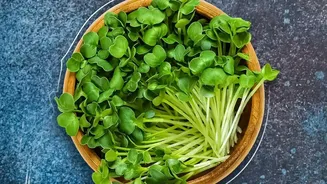
whole. Micro-greens are harvested by snipping the stem just above the soil or growing mat, meaning you only eat the tender leaves and stems. This early harvest, typically just one to three weeks after planting, is the key to their unique qualities. Think of them as the stage between a sprout and a full-grown plant, offering a concentrated burst of flavour and an intense dose of nutrients.
The Urban Gardener’s Dream
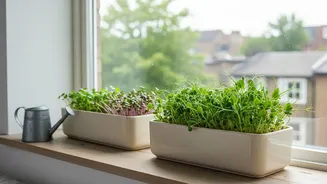
For anyone living in an apartment or home without a traditional garden space, micro-greens are a game-changer. Their primary appeal lies in their minimal space requirement; a small tray on a sunny windowsill is all the land you need. This makes them an ideal solution for urban agriculture. Unlike mature vegetables that require months of care, micro-greens offer a rapid growth cycle, with many varieties ready to harvest in 8 to 14 days. This quick turnaround provides a continuous supply of fresh greens and a profound sense of satisfaction. It's a low-cost, high-reward entry into the world of growing your own food, requiring little more than seeds, a container, and some water.
A Nutritional Powerhouse on Your Plate
Despite their small size, micro-greens are incredibly nutrient-dense. Research has shown they can contain significantly higher concentrations of vitamins and antioxidants than their mature counterparts—in some cases, 4 to 40 times more. Studies have found high levels of vitamins C, E, and K, as well as beta-carotene and other antioxidants in these tiny plants. For example, red cabbage micro-greens were found to have six times more vitamin C than mature red cabbage. Incorporating them into your diet can help boost your intake of vital nutrients, support gut health, and reduce inflammation.
Your Simple Starter Toolkit
Getting started with micro-green gardening is remarkably simple and doesn't require expensive, specialized equipment. You likely have much of what you need at home already. Your basic setup includes a shallow tray (a repurposed plastic takeout container or aluminum loaf pan works perfectly), a growing medium like potting soil or a coconut coir mat, your choice of seeds, and a spray bottle for gentle watering. A spot on a windowsill that receives several hours of sunlight is the final component. For a more streamlined start, some companies offer beginner kits that include trays, humidity domes, and pre-measured seeds.
Your First Harvest in a Few Easy Steps
Growing micro-greens is a straightforward process. Start by filling your tray with about an inch of your chosen growing medium. Moisten the medium with water, then sprinkle your seeds densely and evenly across the surface. Gently water the seeds with your spray bottle. For the first few days, it's best to cover the tray to lock in humidity and keep it in a dark place until the seeds sprout. Once you see germination, remove the cover and move the tray to a sunny spot. Water daily, and in about one to two weeks, your greens will be around two inches tall and ready to harvest. Simply use scissors to snip the greens just above the soil line.
Best Micro-Greens for Beginners
While you can grow almost any vegetable or herb as a micro-green, some are easier and faster for beginners. Radish, pea shoots, and sunflower micro-greens are excellent choices as they grow quickly and are quite forgiving. Other great options include broccoli, kale, arugula, and mustard greens, which offer a range of flavours from mild to peppery. Many seed companies sell curated 'micro-green mixes' that take the guesswork out of it and provide a blend of colours and tastes in one simple packet.