
An Offering of Love and Legend
At the heart of Janmashtami celebrations is the act of preparing 'bhog'—a food offering for Lord Krishna, which is later shared as 'prasad'. The most elaborate of these is the 'Chappan Bhog', a legendary spread of 56 distinct dishes. According to mythology,
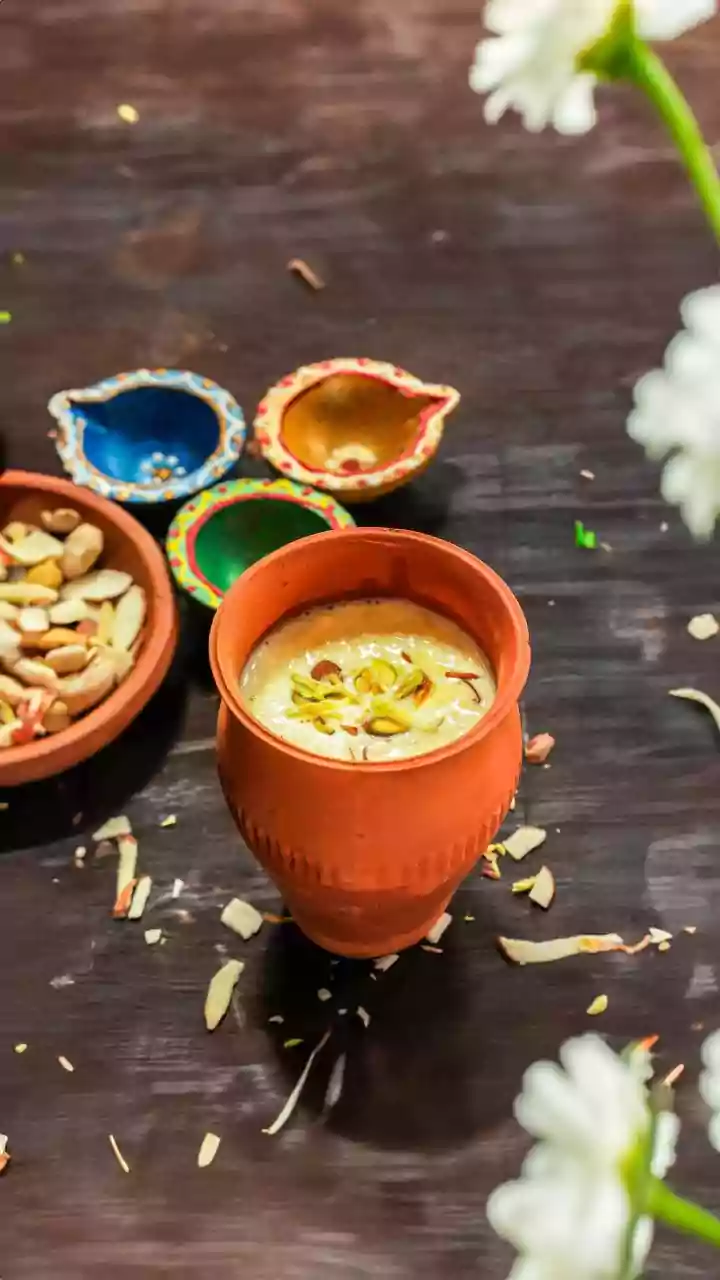
this tradition began when the villagers of Braj offered Krishna 56 meals to break his seven-day fast, which he undertook while lifting the Govardhan Hill to protect them from torrential rains sent by an angered Lord Indra. This grand feast traditionally includes a mix of sweets, savouries, grains, fruits, and dairy products, reflecting Krishna's famed love for milk and butter. While the grand Chappan Bhog is a sight to behold, it is in the specific regional kitchens where the festival’s culinary heart truly beats, each dish telling a local story.
The Heartland: Mathura and Vrindavan
In the sacred geography of Mathura and Vrindavan, where Krishna is believed to have spent his childhood, the offerings are deeply tied to his youthful exploits. The quintessential prasad here is Makhan Mishri, a simple but divine mixture of freshly churned white butter and rock sugar, symbolising Krishna's mischievous butter-stealing antics. Another staple is Panjiri, a nutritious mix made from either whole wheat flour or, for those fasting, roasted coriander seed powder (Dhaniya Panjiri). This aromatic preparation is combined with ghee, powdered sugar, dried coconut, and an assortment of nuts and makhana (fox nuts). These humble yet flavourful dishes transform the folklore of Krishna's childhood into a taste that can be shared and savoured by all.
Maharashtra’s Playful Community Spirit
In Maharashtra, the festival, known as Gokulashtami, is famous for the energetic Dahi Handi ritual. The food that embodies this playful spirit is Gopalkala. This unique savoury dish is a rustic mix of poha (flattened rice), curd, cucumber, coconut, green chillies, and roasted peanuts. Its origin is tied to the stories of Krishna sharing his meals with his cowherd friends (Gopalas); they would pool whatever food they had, and Krishna would mix it all together. Gopalkala represents this very act of community and equality, as there is no fixed recipe, and households often contribute different ingredients to be mixed together. This dish is often the very prize inside the Dahi Handi, making it a shared prasad for the entire community.
A Southern Medley of Sweet and Savoury
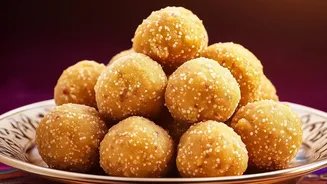
In South India, particularly Tamil Nadu and Kerala, Krishna Jayanthi is marked by the meticulous preparation of a variety of snacks. The star of the show is Seedai, small, deep-fried rice flour balls that come in both sweet (Vella Seedai) and savoury (Uppu Seedai) versions. Preparing these can be a tricky art, as the dough must be perfect to prevent the snacks from bursting in hot oil. Alongside Seedai, kitchens produce crunchy Murukku (also called Chakli), Thattai (crispy rice flour discs), and sweet treats like Nei Appam (ghee-fried rice and jaggery cakes). Beaten rice, or Aval, is another favourite of Krishna's and is prepared in various forms, from sweet Aval Puttu to Aval Payasam (kheer).
Eastern India’s Seasonal Sweetness
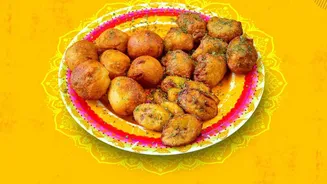
In West Bengal and Odisha, Janmashtami celebrations are sweetened by a seasonal delicacy: Taler Bora. These are sweet, deep-fried fritters made from the pulp of the ripe Asian palmyra palm (taal), which ripens around the time of the festival. The fragrant pulp is mixed with rice flour, coconut, and jaggery or sugar to create a dense, flavourful treat. The fritters are intrinsically linked to Nandotsav, the celebration of Krishna's birth held the day after Janmashtami, where his foster father Nanda is said to have danced with joy after eating them. The presence of this seasonal fruit in the festival's culinary roster is a beautiful example of how local ecology and devotional stories are woven together.