



India's Version of 'Cuffing Season'
The period from October to December, marked by major festivals like Navratri, Dussehra, and Diwali, has become India's unofficial 'cuffing season'. This is the time of year when many singles, who are otherwise content, feel a heightened desire to be in a relationship.
The social calendar fills up with parties and family gatherings, and the appeal of having a partner to share these moments with grows stronger. Dating apps often see a surge in activity as people look for companionship. According to a survey by the dating app Bumble, a remarkable 63% of Indians are open to the idea of 'festival dating', actively seeking a romantic partner during this period. This isn't just about finding a plus-one for a Diwali party; for many, it's driven by a deeper sense of loneliness that surfaces when surrounded by celebrating couples and families.
The Family and The Questions
Family gatherings are central to Indian festivals, and they often double as informal matchmaking arenas. For singles, this means facing the inevitable barrage of questions about their relationship status and marriage plans. This pressure can be intense, making the prospect of finding a partner seem less like a choice and more like a necessity. One in three daters over 28 admits the festive season brings constant reminders to settle down. The pressure is not just external; seeing cousins and friends with their partners can make single individuals feel self-conscious. As a result, some people actively seek a 'festive partner' to navigate these social examinations, turning dating into a strategic exercise. Introducing a partner to family during a festival is often seen as a low-pressure way to test the waters of a new relationship.
The Social Media Effect
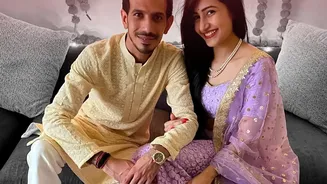
In the age of social media, festivals are a time for curated posts of happy couples in matching ethnic wear, enjoying festivities together. This endless stream of picture-perfect moments can amplify feelings of loneliness and the 'fear of missing out' (FOMO) for those who are single. The gap between the joyous reality portrayed online and one's own quiet evening can be stark. According to one survey, 32% of people admit to feeling lonely without a partner during festivals, a feeling that can drive them onto dating apps in search of a connection. However, the pressure to create shareable moments can also be a source of conflict for couples, with some singles citing a potential partner's obsession with turning every festive moment into a 'content shoot' as a major dealbreaker.
A Litmus Test for Compatibility
The festive season can act as an accelerator for relationships, pushing them from casual to serious in a short span. It serves as a powerful litmus test for compatibility on multiple fronts. A survey by dating app QuackQuack revealed that two in five singles use festivals like Navratri and Durga Puja to assess a partner's cultural alignment. Disagreements can arise over how to celebrate, whose family to visit, or even food choices, especially if one partner is fasting while the other isn't. For 44% of daters aged 22 to 28, a partner's indifference to festivals is a dealbreaker, not necessarily for religious reasons, but because it signals a lack of emotional connection. Surviving the marathon of family events and social commitments is seen by many as the ultimate test of a relationship's strength.
A Time for Endings, Too
While many relationships start or deepen during this time, the festive season can also be a catalyst for breakups. The increased time spent together and the pressure of family introductions can force couples to confront unresolved issues or fundamental incompatibilities. The obligation to present a united front can highlight cracks that were previously ignored. Simple questions about the future become unavoidable when a partner is introduced to the entire family. This can lead couples to evaluate their long-term potential seriously. If they find they are not on the same page, the pressure cooker of the festive season can lead to a conscious decision to part ways before the relationship becomes even more entangled with family life.