




The Allure of a Monsoon Rail Journey
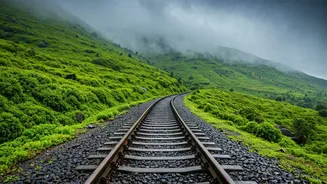
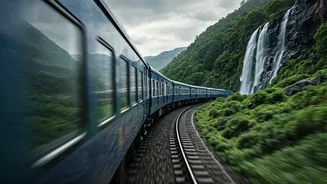
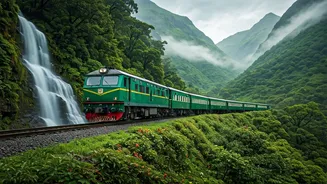
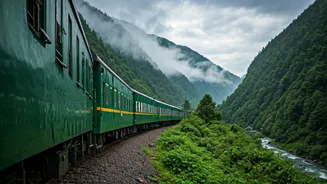
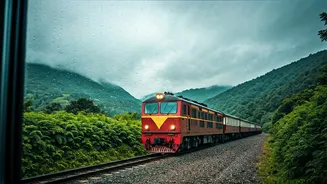
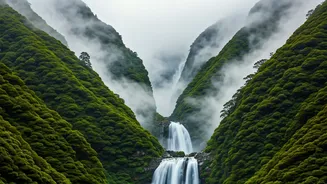
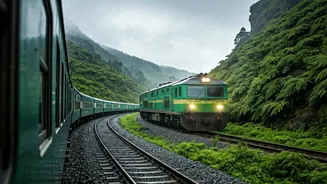
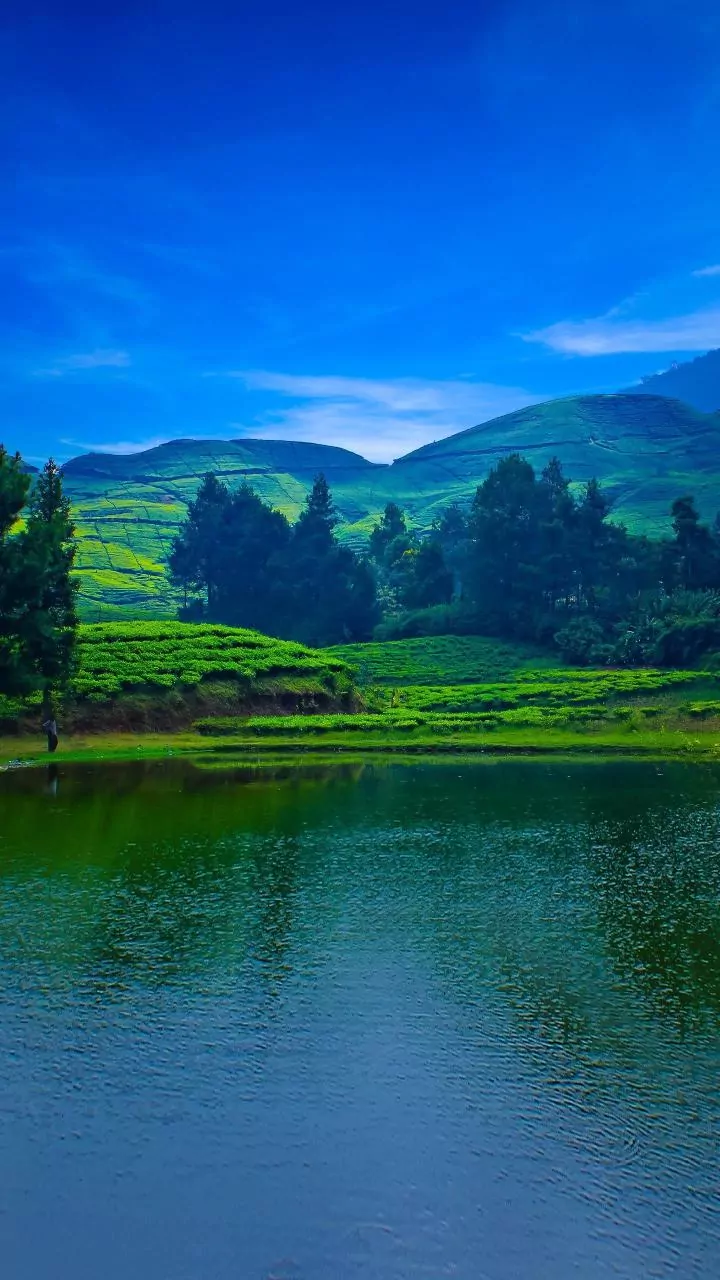
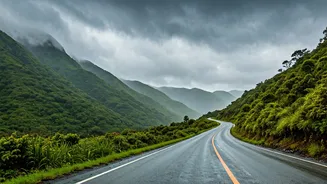
There is a certain romance to watching the Indian landscape transform during the monsoon. Parched earth gives way to an explosion of emerald green, and temporary waterfalls cascade down hillsides, often just metres from the train tracks. The Western Ghats,
a UNESCO World Heritage Site, become particularly dramatic. A train journey here is not just about getting from one place to another; it's an immersive experience. Clouds hang low, mist fills the valleys, and the views of dense forests and roaring waterfalls are unparalleled. Routes like the Konkan Railway are famous for this very reason, offering a cinematic experience that makes the journey the destination. [7, 11, 16]
Iconic Monsoon Routes to Experience
While many routes offer beautiful views, a few are legendary. The Mumbai to Goa journey on the Konkan Railway is arguably the most famous. [7, 12] This engineering marvel, with its 92 tunnels and over 2,000 bridges, cuts through the heart of the ghats, offering breathtaking views of the coastline and valleys. [7] The section between Ratnagiri and Karmali is especially scenic. For a different experience, the Nilgiri Mountain Railway from Mettupalayam to Ooty provides a misty, magical ride on a historic toy train, climbing into clouds past endless tea plantations. [7, 11] Another short but spectacular journey is from Karjat to Lonavala, a popular choice for weekend travellers from Mumbai and Pune, where waterfalls seem to pour down everywhere. [12]
Your Digital Booking Toolkit
Booking these popular routes, especially during peak monsoon, requires some digital savvy. The official IRCTC (Indian Railway Catering and Tourism Corporation) website and its mobile app, Rail Connect, are your primary tools. [18, 21] To book, you will need an IRCTC login. The process is straightforward: enter your source and destination stations, travel date, and preferred class (like Sleeper, AC 3-Tier, etc.). [4, 5, 18] It is wise to book well in advance, as seats on these scenic routes fill up fast. Many travellers also use partner apps like MakeMyTrip, Goibibo, or ConfirmTkt, which use the IRCTC system but often have user-friendly interfaces. [4, 5, 29]
Mastering Digital Alerts and Updates
The term 'digital alerts' refers to the suite of tools available to track your train and stay informed, which is crucial during the unpredictable monsoon season. The most powerful tool is the National Train Enquiry System (NTES), the official Indian Railways app. [1, 2] NTES provides the most accurate, real-time information on your train's running status, including its current location, expected arrival times, and any delays. [1, 26] You can use its 'Spot Your Train' feature by simply entering the train number. [10] Other key features include 'Live Station' to see all trains arriving or departing from a station, and lists of cancelled, rescheduled, or diverted trains. [1, 10, 14] Most ticketing apps, like ixigo and RailMitra, also integrate this live status feature. [26, 27] Additionally, you can check your PNR status via SMS by sending your 10-digit number to 139. [28]
Monsoon Timetables and Safety
Safety is paramount on the ghat sections during heavy rains. Konkan Railway, for instance, implements a special monsoon timetable, typically from mid-June to the end of October. [3, 6, 9] During this period, trains run at a reduced speed to ensure safety, which can increase journey times. [6, 13] Some train frequencies might also be reduced; for example, a daily train might run tri-weekly. [9] It is essential to check this revised schedule before booking and travelling. The digital alerts from NTES become even more critical here, as they will reflect these monsoon-specific timings and warn you of any disruptions caused by landslides or extreme weather, allowing you to plan accordingly. [3]
Packing for a Monsoon Train Trip
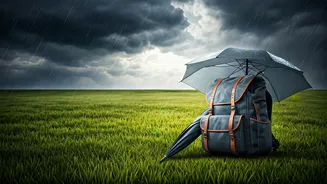
A little preparation goes a long way. Pack a raincoat and/or a sturdy umbrella. Opt for waterproof luggage or have rain covers for your bags. [8] Synthetic clothes are a good idea as they dry quickly. [15] Since platforms can be slippery, wear appropriate footwear. [8] With potential delays, it's wise to carry a power bank for your electronics, some snacks, and bottled water. [15, 19] Finally, keep a ziplock bag handy to protect your phone and other essential documents from the damp. [8]