

Saffron is the world’s most prized spice, and for good reason. With a price tag that rivals precious metals, every single thread is culinary gold. Protecting that investment isn’t just about storage—it starts with how you buy it.
The Science of Fading Flavour
Saffron's magical properties—its
vibrant colour, unique earthy flavour, and honey-like aroma—come from delicate chemical compounds. Specifically, crocin provides the colour, picrocrocin the taste, and safranal the signature scent. These compounds are fragile and begin to break down the moment the saffron is harvested and dried. The primary enemies of this precious spice are air, light, heat, and moisture. Even under ideal storage conditions, saffron gradually loses its potency over time. While it doesn't 'expire' or become unsafe to eat, old saffron will deliver a faded, disappointing version of the real thing, forcing you to use more for less effect. Reputable sources suggest that whole threads retain their best qualities for about two to three years.
Why Air Is the Enemy
Oxidation is one of the fastest ways to degrade saffron's quality. Every time you open a container, the threads are exposed to fresh oxygen, which accelerates the breakdown of its aromatic compounds. This is the core reason why buying in bulk is often a false economy for home cooks. A large jar of saffron that is opened repeatedly over many months will expose the remaining threads to more and more air. A smaller pack, on the other hand, is used up more quickly, meaning the saffron you use in your last dish is nearly as fresh as the saffron you used in your first. A container that is appropriately sized for the amount of saffron inside, with minimal empty space or 'headspace', is always the best choice to limit air exposure.
The Trouble with Light and Moisture
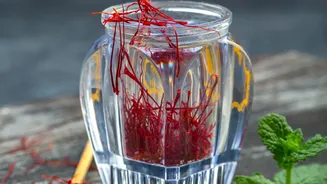
Light and moisture are just as damaging as air. Light, especially direct sunlight, is known to specifically degrade crocin, the compound responsible for saffron's brilliant golden colour when steeped. This is why you should never store saffron in a clear jar on an open shelf. Moisture is another quiet adversary. Saffron is naturally very dry, but it can absorb moisture from the air, which can lead to mould or simply accelerate the decay of its flavour and aroma. This is why refrigeration is generally not recommended; moving the container from a cold fridge to a warm kitchen can create condensation. Small, opaque, and most importantly, airtight containers provide the best defence against these elements, ensuring the threads stay potent from the first pinch to the last.
How to Spot Pure Saffron
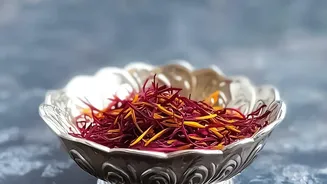
Protecting your saffron's value also means ensuring you're buying the real thing in the first place. Given its high price, saffron is a frequent target for adulteration. Always buy whole threads, never powder, as powder can be easily mixed with fillers like turmeric or safflower and loses its potency much faster. Real saffron threads are trumpet-shaped, with one end being slightly flared. They should be a deep, uniform red, though a tiny bit of orange at the tip is acceptable. When you buy, perform a quick check: the aroma should be earthy and hay-like, but the taste on the tongue should be slightly bitter, not sweet. A sweet taste can be a sign that threads have been treated with honey or sugar to add weight.
The Water Test for Authenticity
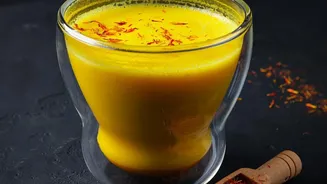
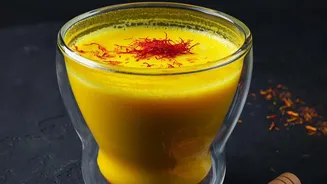
One of the most reliable at-home tests for purity involves a simple glass of cold water. Drop a few threads in. Real saffron will slowly release a beautiful, golden-yellow hue into the water over the course of 10 to 15 minutes. The threads themselves will remain red. Fake or dyed saffron, on the other hand, will often bleed colour instantly, turning the water a harsh red or orange, and the threads may lose their colour entirely. This simple test can save you from the disappointment of using a fraudulent product and ensure the money you've spent has gone toward genuine, high-quality saffron.