

The Science Inside the Pot
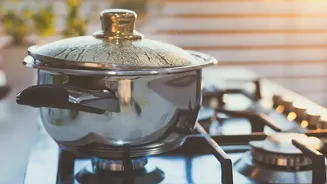
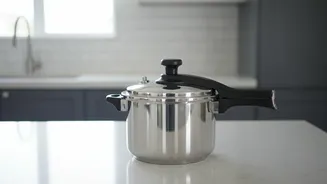
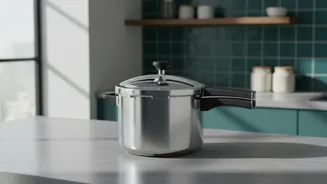
A pressure cooker works by creating a sealed environment. As the liquid inside heats up, it produces steam. Because the steam cannot escape, it builds up, raising the pressure and temperature inside the pot far above the normal boiling point of water.
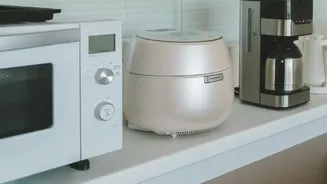
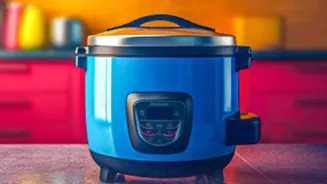
This superheated steam forces moisture into the food, cooking it dramatically faster. This efficiency is fantastic, but it also means the pot contains a significant amount of stored energy. Modern pressure cookers, both stovetop and electric models like the Instant Pot, are designed with multiple safety features to manage this pressure safely. However, user error can bypass these safeguards, which is why understanding the basics is so important.
The Golden Rule: Watch the Indicator
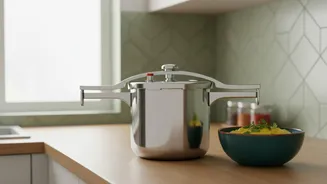
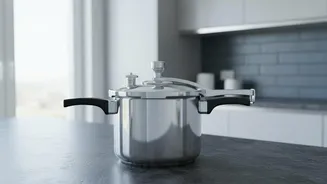
The single most critical safety rule is to never attempt to open the lid while the cooker is pressurized. This is where the pressure indicator—often a small, metal float valve—comes in. When the pot is under pressure, this pin rises and locks the lid in place. It is a visual cue that it's not safe to open. Forcing a lid open against this lock can lead to a dangerous explosion of scalding hot food and steam. The contents, which are superheated, can erupt violently when the pressure is suddenly released, causing severe burns and significant property damage. The indicator pin is designed to drop back down into the lid only when the pressure inside has returned to a safe, normal level. If the lid feels stuck, it means there is still pressure inside. Do not force it.
Releasing Pressure the Right Way
Once your food is done cooking, you need to release the pressure before opening the lid. There are two primary methods: Natural Release and Quick Release. Natural Pressure Release (NPR) involves simply turning off the heat (or letting the 'keep warm' cycle start on an electric model) and waiting. Over 10 to 30 minutes, the pot will cool, and the pressure will dissipate on its own. The pressure indicator pin will drop when it's safe to open the lid. This method is best for foods that benefit from a gentle rest, like tough cuts of meat, broths, and beans, as it prevents them from becoming tough or breaking apart. Quick Pressure Release (QR) involves manually turning or pressing the steam release valve to vent the steam rapidly. This is much faster, taking only a minute or two. However, the jet of steam is extremely hot and must be directed away from your hands, face, and any overhanging cabinets. This method is ideal for foods that you want to prevent from overcooking, like vegetables or delicate fish. Never use a quick release for frothy or high-volume foods like oatmeal, pasta, or certain soups, as they can clog the vent and spew hot liquid.
Your Cooker’s Other Safety Guards
Beyond the locking lid and indicator, your pressure cooker has other safeguards. The sealing ring, or gasket, is a silicone or rubber ring inside the lid that creates the airtight seal. Before each use, you should inspect it for cracks, dryness, or food debris that could prevent a proper seal. The main pressure release valve (the one used for a quick release) and a secondary safety valve are also crucial. These are designed to release excess pressure if it builds up too high. It's vital to keep these valves clean and free from any food particles that could cause a blockage. A blocked vent is a common cause of pressure cooker accidents.
Common Mistakes to Avoid
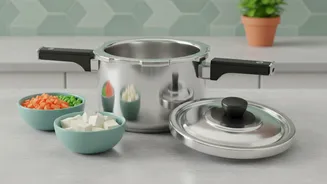
A few common errors can compromise safety and ruin your meal. The most frequent is overfilling the pot. Never fill a pressure cooker more than two-thirds full with food, or more than halfway for foods that expand, like rice, beans, or pasta. Overfilling can block the vents and cause dangerous pressure malfunctions. Another mistake is not using enough liquid. A pressure cooker needs at least a half to one cup of liquid to generate the steam required for cooking. Without it, your food may burn, and the cooker may not reach pressure at all. Finally, always ensure the sealing ring is properly seated and the pressure valve is in the 'Sealing' position (on electric models) before you start cooking.