


A Seasonal Transformation
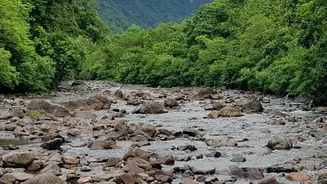
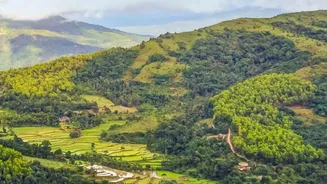
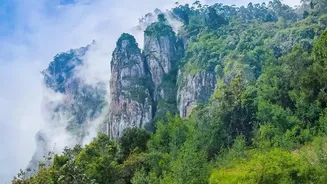
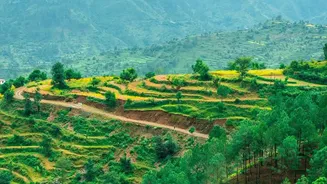
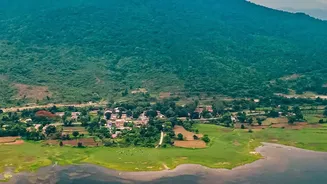
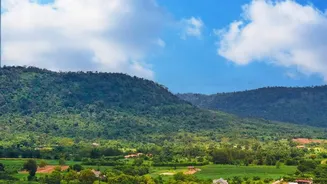
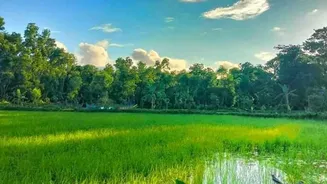
Located about 50 kilometres from the Bokaro district headquarters, Sevati Valley undergoes a dramatic change with the arrival of the monsoon. The otherwise quiet hills, which straddle the border of Jharkhand and West Bengal, erupt in vibrant shades of green.
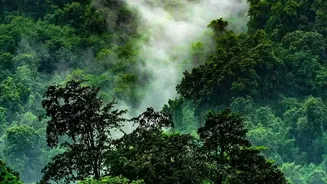
Days of steady rain feed the landscape, turning the entire region into a lush, misty paradise that beckons travellers and nature enthusiasts seeking a refreshing escape. The air becomes clean and cool, and the serene atmosphere offers a perfect antidote to the hustle of city life.
The Allure of Gushing Waterfalls
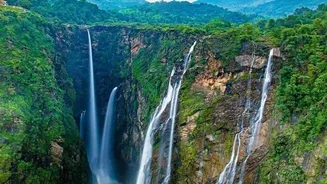
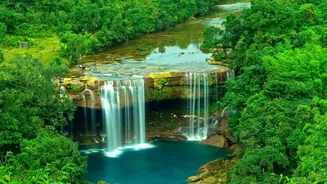
The primary draw of Sevati Valley during the monsoon is its magnificent waterfall. Fed by the seasonal rains, a powerful cascade of white water tumbles down through the dense greenery, creating a picture-perfect scene. This year, residents and visitors have noted that the rainfall has made the waterfall and its surrounding scenery particularly spectacular. The sight is so captivating that many motorists travelling along the route pull over just to soak in the view. The sound of the roaring water, combined with the misty spray, makes for a truly immersive natural experience.
A Paradise for Trekkers and Photographers
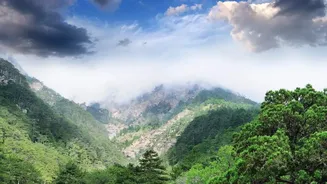
For the more adventurous, the hills of Sevati Valley offer excellent trekking opportunities. The trails wind through verdant landscapes, offering stunning panoramic views of the cloud-covered hills and glistening streams. The journey itself becomes a memorable part of the experience, with the serene atmosphere and beautiful scenery accompanying every step. The valley also serves as a fantastic canvas for photographers. The contrast of the white waterfall against the green hills, the play of light and mist, and the overall raw beauty of the landscape provide endless opportunities to capture stunning images.
Cultural Significance of the Region
Beyond its scenic beauty, the area around Sevati Valley is rich in cultural heritage. The nearby Lugu Buru hills are a site of immense religious significance for the Santhal community. Worshipped for centuries, Lugu Baba is a central deity for Santhals across the country and even abroad. The foothills host an annual religious gathering that has been revitalized in recent years. While visiting for the monsoon spectacle, this cultural context adds another layer of depth to the region's identity, connecting its natural wonders to the ancient traditions of its people.
Planning Your Visit
Sevati Valley is located in the Kasmar block of Bokaro. The nearest major transport hubs are Bokaro Railway Station and Birsa Munda Airport in Ranchi. From Bokaro city, it is accessible by road. While the official tourism map of Jharkhand recognizes the valley, visitors should be aware that infrastructure is still developing. Local leaders and residents have been advocating for better facilities like safety measures, seating areas, and sanitation to improve the tourist experience. Therefore, it's wise to carry your own water and snacks. Despite the limited amenities, the raw, unspoiled beauty of the valley during the monsoon makes it a trip worth taking for anyone looking to connect with nature in its purest form.