




The First and Last Mile Problem
The first transport trap often appears the moment you land. Getting from the airport to your hotel, known as the 'first mile', can be deceptively expensive. Many budget airlines fly into secondary airports, which are often located far from the city centre.
While the flight was cheap, a long and pricey taxi or a non-existent public transport link can immediately offset those savings. A pre-booked airport transfer can sometimes offer a fixed, all-inclusive price, which can be cheaper than hailing a cab on the spot, especially late at night or during peak hours when surge pricing is in effect. Researching public transport options like airport buses or trains in advance is the most budget-friendly strategy. However, be mindful of your arrival time; public transport might not operate 24/7.
The Daily Commute Dilemma
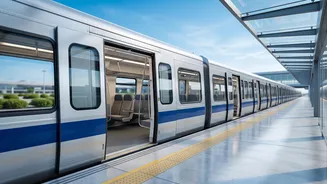
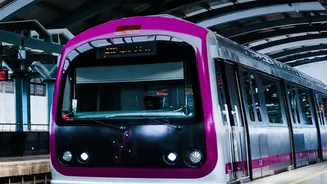
Once settled in, the cost of moving around your destination daily can accumulate rapidly. Relying solely on taxis or ride-hailing apps for every small journey is a common mistake that inflates a travel budget. While convenient, these options are almost always more expensive than using local public transport. Many tourists fall into the trap of convenience, opting for a quick cab ride instead of figuring out the local bus or metro system. Before you travel, research the city's public transit network. Most major tourist destinations offer multi-day or weekly travel passes that provide unlimited rides on buses, trams, and subways for a fixed price. These passes often prove to be far more economical than paying for individual tickets for each journey and save you the hassle of buying tickets every time.
Ignoring 'Walkability' and Location
A cheap hotel located on the outskirts of a city can be a false economy. What you save on accommodation, you may end up spending twice over on transport just to get to the main attractions. When booking your stay, consider the hotel's location and 'walkability'. Choosing a centrally located hotel, even if slightly more expensive, can drastically reduce your transport budget. If you can walk to many of the sights, parks, and restaurants, you are effectively getting your transport for free. Using online maps to check walking distances from a potential hotel to your points of interest is a simple but powerful planning step. This not only saves money but also allows you to discover the city more intimately.
The Hidden Costs of Spontaneity
While spontaneous side trips are part of the adventure, they can come with a hefty price tag if not managed wisely. Deciding to take a last-minute train to a nearby town or renting a car for a day without prior booking often means paying premium, non-discounted rates. Rental cars, for instance, come with a host of potential hidden fees for insurance, fuel, tolls, and parking that can add up. Similarly, long-distance train and bus tickets are usually much cheaper when booked weeks or even months in advance. To maintain flexibility without breaking the bank, do some light research on potential day trips before you leave. Understand the approximate cost and booking procedures. This allows you to make an informed, budget-conscious decision when the mood for a spontaneous trip strikes.