




The Tale of Two Sugars
At first glance, the sugar in fruit and the sugar in 100% fruit juice seem identical. Both primarily contain fructose, a naturally occurring sugar. However, their effect on your body is vastly different. In whole fruit, this sugar is 'intrinsic', meaning
it's bound within the fruit's cellular structure, interwoven with fibre. This structure acts as a natural barrier. In contrast, when fruit is juiced, these cell walls are destroyed. The sugar is released and becomes a 'free sugar', similar to the sugar added to fizzy drinks. This distinction is crucial because free sugars are absorbed by the body much more rapidly.
The Missing Hero: Where Did The Fibre Go?
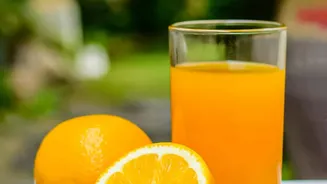
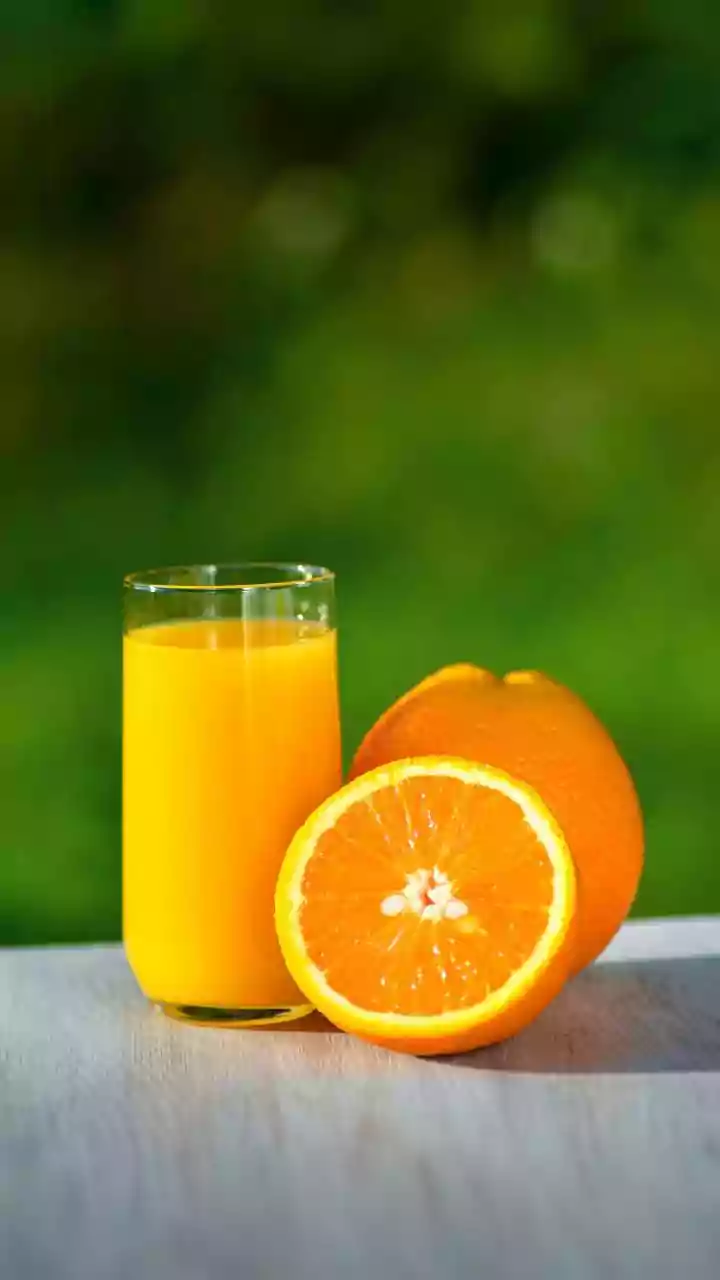
The most significant difference between eating fruit and drinking juice is the fibre content. The process of juicing separates the liquid from the fruit's flesh, skin, and pulp, which is where almost all the dietary fibre resides. This is a major loss. Fibre is essential for digestive health, but it also plays a critical role in slowing down sugar absorption into the bloodstream. Without fibre, the sugar from juice causes a rapid spike in blood glucose and insulin levels, which, over time, can contribute to health issues. A whole orange, for example, contains a significant amount of fibre, whereas a glass of orange juice has very little, if any.
The Glycemic Impact
This difference in sugar absorption is measured by the glycemic index (GI), which ranks food on how quickly it raises blood sugar levels. Whole fruits generally have a low GI. For instance, a whole orange has a GI of around 43, while its juice can have a GI of 57 or higher. This means juice causes a much faster and sharper rise in blood sugar compared to its whole fruit counterpart. This rapid spike can leave you feeling hungry again sooner, unlike the slow, steady energy release from a piece of whole fruit.
Feeling Fullness and Portion Control
Chewing and digesting solid food sends signals to your brain that you're full. This feeling of satiety helps regulate how much you eat. Studies have shown that whole fruits are significantly more filling than juice. It's also much easier to overconsume calories and sugar in liquid form. Consider this: it might take three or four oranges to produce a single small glass of juice, which can be drunk in under a minute. Eating three or four whole oranges in one sitting would be a far more substantial and filling snack, leading to a much lower overall intake of sugar and calories.
What About Nutrients?
While fruit juice does retain some vitamins, like Vitamin C, the juicing process can lead to a loss of other important compounds. Many beneficial antioxidants and phytonutrients are bound to the fibre in the pulp and skin, which are often discarded during juicing. Therefore, by choosing the whole fruit, you get a more complete nutritional package, including all the vitamins, minerals, and plant compounds as nature intended.