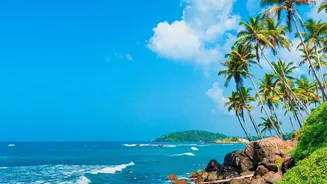






The Vibe: Cliffside Chic vs. Rustic Retreat
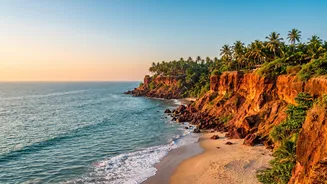
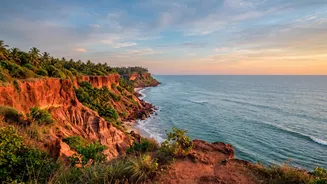
Your choice between Varkala and Gokarna might come down to the atmosphere you seek. Varkala, in Kerala, is known for its dramatic red cliffs lined with bustling cafes, yoga shalas, and shops. It has a more polished, energetic feel, attracting a mix of
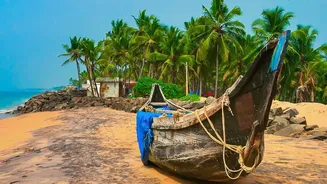
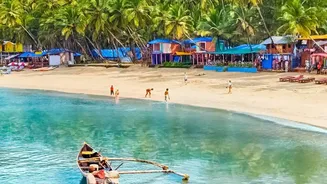
international tourists, surfers, and wellness enthusiasts. The social scene is vibrant, with plenty of opportunities to meet fellow travellers in cliff-top restaurants or at surf lessons. In contrast, Gokarna, in Karnataka, retains its soul as a spiritual temple town. Often described as “Goa twenty years ago,” it offers a more rustic, laid-back experience. The vibe is slower and more grounded, ideal for those seeking quiet contemplation and a digital detox, though it's increasingly popular with remote workers looking for focus.
The Workspace: Connectivity and Cafes
For a digital nomad, Wi-Fi is non-negotiable. Varkala has a clear edge in terms of infrastructure. The town boasts reliable fibre broadband with speeds often reaching 100-200 Mbps, especially in hostels and guesthouses catering to remote workers. The North and South Cliffs are dotted with laptop-friendly cafes like AUM Cafe and Darjeeling Café, which offer good coffee, power outlets, and ocean views. Gokarna's connectivity is improving but can be less consistent. While some hostels like Zostel and dedicated workation stays offer high-speed fibre connections up to 80 Mbps, many nomads rely on mobile hotspots (Jio and Airtel have decent coverage) as a backup. Power cuts can also be more frequent, so checking if your accommodation has a generator or power backup is wise.
Cost of Living: Budgeting Your Beach Stay
Both destinations are highly affordable compared to global digital nomad hubs, but there are differences. Gokarna is generally considered the more budget-friendly option. A monthly workation in a dorm bed can range from ₹12,000 to ₹18,000, with food expenses around ₹9,000 to ₹15,000. You can find hearty local meals for very low prices in the main town. Varkala is also cost-effective, though slightly more expensive due to its more developed tourist infrastructure. A monthly stay in a hostel dorm costs between ₹14,000 and ₹24,000, while food might range from ₹10,000 to ₹18,000. In both locations, renting a private room or a small apartment on a monthly basis can provide even better value.
Accommodation: From Hostels to Homestays
Finding a place to stay that doubles as a comfortable office is key. Both Varkala and Gokarna have a growing number of hostels and guesthouses that cater specifically to digital nomads. In Varkala, places like Zostel, The Lost Hostels, and BunkMonk offer dedicated co-working areas, reliable internet, and a built-in community. Many also offer weekly and monthly discounts for long stays. Gokarna has excellent options like Zostel Gokarna and Trippr, which are praised for their stunning locations and work-friendly amenities. Beyond hostels, you can find furnished homestays and apartments on platforms like Airbnb, offering more privacy and kitchen facilities for long-term visitors.
Beyond the Laptop: Activities and Lifestyle
A workation isn't just about work. Varkala is a hub for wellness and activity. You can start your day with a surf lesson, join a drop-in yoga class on the cliff, or indulge in an Ayurvedic treatment. The cliffside promenade is perfect for evening strolls and sunset views. Gokarna's appeal lies in its raw nature. It's famous for the beach trek that connects its five main beaches: Gokarna, Kudle, Om, Half Moon, and Paradise. The pace of life is slower, revolving around swimming, sunbathing, and enjoying the serene environment. While Varkala has a more active nightlife, Gokarna offers tranquil evenings perfect for stargazing from a beach shack.