








The Double-Edged Sword of Detection
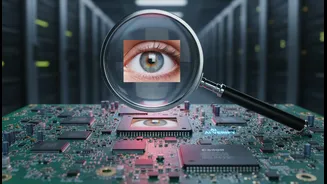
The explosion of generative AI has created a parallel boom in tools designed to detect it. From social media platforms to newsrooms, organisations are desperate for a way to sort authentic content from synthetic media. AI image detectors, which analyse
pictures for statistical fingerprints left behind by algorithms, have emerged as the go-to solution. These tools scan for tell-tale signs like unnatural pixel patterns, inconsistent noise, or specific artifacts associated with models like Midjourney or DALL-E. In theory, they are a powerful weapon against misinformation. In practice, however, they are far from infallible, and their accuracy varies wildly depending on the AI model used to generate the image and any subsequent edits. This creates a significant risk: what happens when the detector gets it wrong?
The Problem of the False Positive
In the world of AI detection, a 'false positive' occurs when a tool incorrectly flags human-made content as being generated by AI. This is not a rare glitch; it's an inherent limitation. Even the best detectors have a false positive rate, and recent tests show it can range from 6% to over 12% for some tools. These errors often happen with real photographs that have been heavily edited, use AI-powered noise reduction, or are compressed for social media. A professional photographer’s stunning landscape, once heavily processed, might share statistical traits with a synthetic image, triggering an automated flag. Suddenly, an artist’s genuine work is marked as fake, creating a problem that code alone cannot solve.
From Digital Flag to Reputational Harm
An automated label like 'AI-Generated' might seem harmless, but it functions as a public accusation that can have severe consequences. For a photojournalist, such a label could undermine the credibility of their work. For a digital artist, it can lead to accusations of cheating or dishonesty. In a world where millions of users on platforms popular in India like Instagram and WhatsApp see and share images daily, a false label can spread rapidly, damaging a creator's reputation before they even have a chance to respond. Studies show that audiences are skeptical of content labeled as AI-generated, even when the information is true, and a misapplied label can decrease a person's willingness to believe or share the content. The responsibility for this damage lies with the platform or publisher that applies the label, not the algorithm that made the mistake.
The Case for a Human in the Loop
Relying solely on an AI detector’s score is a dangerous gamble. The technology is an arms race; as generative models improve, detectors struggle to keep up. Instead of treating these tools as unquestionable arbiters of truth, we must reframe them as assistive technology. They are excellent for a first pass, flagging content that warrants closer inspection. But the final verdict, especially when it involves public labeling or penalties, must come from a trained human moderator. A human reviewer can understand nuance, context, and intent in ways an algorithm cannot. They can spot the subtle errors of a false positive or seek further proof, such as by examining the file's metadata or using provenance-based verification tools that trace an image's origin.