

Master the Post-Walk Cleanup
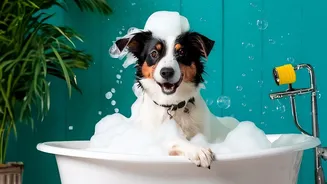
The single most important habit during monsoon is to thoroughly dry your pet after every single walk. High humidity means a damp coat won't air-dry, creating a perfect breeding ground for fungal and bacterial skin infections. Veterinarians stress the
importance of using a clean, dry towel to wipe down your pet's entire body, paying special attention to their paws, underbelly, armpits, and any skin folds. For dogs with thick or long fur, a hairdryer on a low, cool setting can be a lifesaver, ensuring no moisture gets trapped against the skin. This simple, immediate clean-up is your first line of defence against common monsoon skin issues.
Paw Care is Paramount
A pet's paws take the most abuse during wet walks, constantly in contact with muddy water and hidden irritants. It is crucial to clean and inspect paws immediately after returning home. A gentle rinse with lukewarm water or a no-rinse foaming cleanser can wash away bacteria. Be sure to dry completely between the toes and pads, as trapped moisture can lead to painful fungal and bacterial infections. Vets also recommend trimming the fur between the paw pads to help them dry faster and trap less mud. For extra protection, a pet-safe paw balm can moisturise pads and prevent cracking.
Gear Up for the Weather
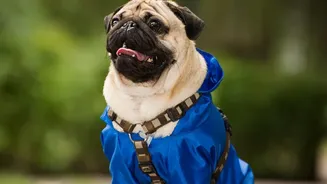
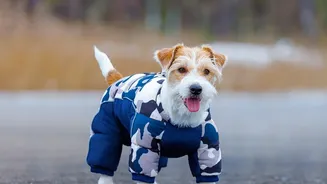
The right gear can make monsoon walks much more comfortable and safer for your pet. A well-fitting waterproof raincoat can keep your dog’s torso largely dry, significantly cutting down on post-walk cleanup and preventing them from getting chilled. For paws, waterproof dog booties offer the best protection against wetness and harmful substances on the ground, though not all pets will tolerate them. When walking in low light or heavy rain, use reflective gear, like a reflective collar or vest, to ensure your pet is visible to motorists and others.
Beware of Parasites
Monsoon is peak season for ticks and fleas. The warm, humid weather provides the perfect breeding ground for these parasites, which can transmit serious illnesses like tick fever. Veterinarians advise pet parents to be extra vigilant during this time. Use a vet-recommended preventive treatment, like a spot-on, collar, or oral medication, throughout the season. It's also essential to conduct daily checks for ticks after every walk, especially in areas like the ears, neck, between the toes, and under the tail. Regular grooming and combing can also help you spot any unwelcome guests early.
Avoid Puddles and Stagnant Water
While your dog might love splashing around, puddles and stagnant water are a major health risk during the monsoon. This water can be contaminated with bacteria, viruses, and parasites, including the dangerous Leptospira bacteria, which causes leptospirosis—a serious disease that can affect both pets and humans. The risk of gastrointestinal problems from drinking contaminated water also increases. Guide your pet away from waterlogged areas and walk on paved surfaces where possible to minimise exposure.
Know the Warning Signs
Despite your best efforts, problems can still arise. It's crucial to know the early signs of common monsoon-related health issues. Watch for constant scratching, licking, or chewing of a particular spot, which can indicate a skin infection. A musty or yeasty odour from the skin or ears is another telltale sign. When it comes to tick-borne diseases, look for symptoms like fever, loss of appetite, and lethargy. If you notice any of these signs or any other unusual behaviour, don't wait. Consult your veterinarian promptly for diagnosis and treatment.