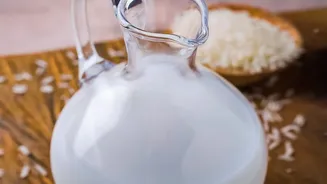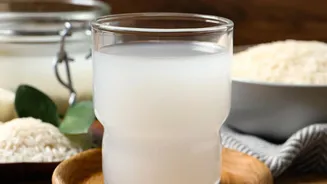





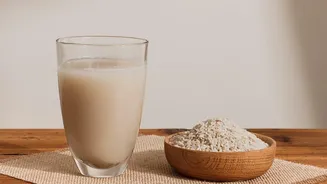
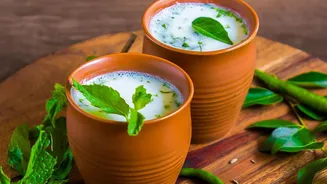

What is Fermented Rice Water?
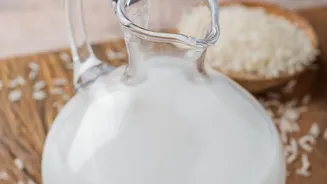
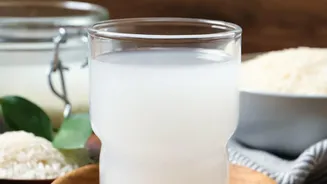
At its core, fermented rice water is simply the liquid left over after soaking rice for a period, allowing it to naturally ferment. This isn't the plain, starchy water you might drain after a quick rinse. The fermentation process, which typically takes
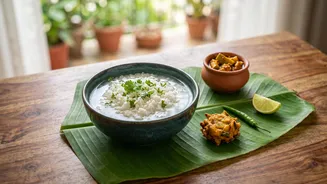
24 to 48 hours at room temperature, transforms the liquid. It encourages the growth of beneficial bacteria, creating a beverage that is tangy and rich in nutrients. This practice has deep roots in many Asian cultures, particularly in India, where it is known by names like 'kanji', 'neeragaram', or 'panta bhat'. Traditionally, it was a farmer's morning drink, consumed for energy and vitality before a long day in the fields. Using a clay pot for fermentation is often recommended as it can help maintain a cool temperature and may enhance the natural process.
A Natural Boost for Digestive Health
The primary claim to fame for fermented rice water is its support for digestive wellness. The fermentation process cultivates live beneficial bacteria, such as Lactobacillus, making the brew a natural source of probiotics. These microorganisms are essential for maintaining a healthy gut microbiome, the complex community of bacteria in your digestive system. A balanced microbiome aids in better digestion, reduces issues like bloating and indigestion, and improves the absorption of nutrients from food. Furthermore, the brew contains enzymes that help break down food more easily. Some studies and traditional beliefs suggest that regular consumption can help soothe gut inflammation and strengthen the gut lining, which is your body's frontline defence against various issues.
The Hydration and Nutrient Powerhouse
Beyond digestion, fermented rice water is an excellent natural hydrator. The liquid contains electrolytes like potassium and sodium, which are crucial for maintaining the body's fluid balance, especially in hot climates or after physical activity. Its carbohydrate content provides a source of light, easily digestible energy. The fermentation process also enhances the nutritional profile of the water, increasing the bioavailability of several key nutrients. Studies have shown that fermentation can significantly boost levels of iron, calcium, and B-vitamins, including B6 and B12, compared to plain cooked rice. This nutrient-dense profile makes it more than just water; it’s a nourishing beverage that supports overall vitality.
How to Make Fermented Rice Water at Home
Making your own fermented rice water is surprisingly simple. Start with about half a cup of any type of rice. Rinse it once to remove any impurities. Then, soak the rice in two to three cups of clean, filtered water in a glass or clay container. Cover the container loosely and let it sit at room temperature for 24 to 48 hours. The exact time depends on the climate; it will ferment faster in warmer weather. You'll know it's ready when it develops a slightly sour, tangy aroma. Once fermented, strain the liquid into a clean jar and store it in the refrigerator to halt the process. The leftover rice can be cooked and eaten as usual. It's recommended to start with a small amount, like half a cup per day, to see how your body responds.
Important Considerations and Safe Consumption
While fermented rice water is a natural remedy, it's important to approach it with care. The key is proper preparation and storage to avoid contamination with harmful bacteria. Always use clean containers and refrigerate the final product. Due to its potency, some experts suggest diluting the fermented water before drinking, especially when you first start. People with certain conditions like SIBO (Small Intestinal Bacterial Overgrowth) or histamine intolerance may find that fermented foods can exacerbate their symptoms. Additionally, because it contains carbohydrates, individuals with diabetes should be mindful of its potential impact on blood sugar levels. As with any new wellness practice, listening to your body is crucial, and it's always wise to start slow.