






Ever eat a full meal, only to find yourself hungry an hour later? Understanding satiety—the feeling of fullness—is key. It’s not about restriction, but about choosing foods that nourish and satisfy, helping you feel comfortably full for longer.
What is Satiety, Anyway?
Satiety
is the feeling of fullness and satisfaction after a meal that stops you from feeling hungry again for a while. It's a complex process involving hormones that signal to your brain that you've had enough to eat. When you eat, your stomach stretches, and your digestive system releases hormones that tell your brain you're full. Focusing on foods that enhance this feeling can help you manage your appetite naturally, without feeling deprived. The goal is to work with your body's hunger cues, not against them.
The Power Trio: Protein, Fibre, and Fat
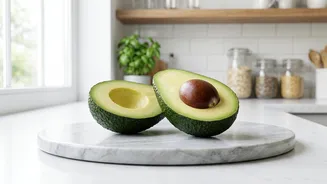
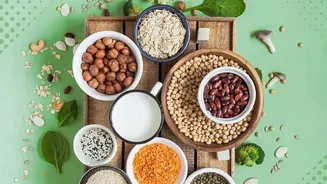
Not all foods are created equal when it comes to keeping you full. The three most important nutrients for promoting satiety are protein, fibre, and healthy fats. Protein is often considered the most filling macronutrient because it takes longer to digest and influences appetite-regulating hormones. Fibre, found in plant-based foods, adds bulk to your meals and slows down digestion, which helps stabilize blood sugar and prolongs the feeling of fullness. Healthy fats also play a role by slowing the rate at which food leaves your stomach. A meal that combines all three is the most effective way to stay satisfied for hours.
High-Fibre Heroes
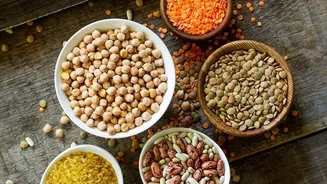
Fibre is a powerhouse for satiety. There are two types, and both help. Soluble fibre, found in oats, beans, apples, and carrots, forms a gel-like substance in your digestive system, slowing everything down. Insoluble fibre, found in whole grains and vegetables, adds bulk to your food. Great sources of fibre include whole grains like oats and quinoa, legumes like lentils and chickpeas, and a wide variety of fruits and vegetables. For example, a cup of cooked lentils provides a powerful combination of both protein and fibre, making it an incredibly satisfying food.
The Protein Punch
Including a source of protein in every meal is one of the most effective strategies for feeling full. Protein helps reduce the hunger hormone ghrelin while boosting satiety hormones. Excellent protein sources include lean meats, fish, and eggs. For vegetarians, dairy products like Greek yogurt and cottage cheese are packed with protein. Plant-based options are also abundant in India, including lentils (dal), chickpeas (chana), beans (rajma), tofu, and paneer. Pairing these proteins with fibre-rich carbohydrates creates a balanced, satisfying meal.
The Volume Advantage
Some foods help you feel full simply because they take up a lot of space in your stomach for very few calories. These are known as low_energy_density foods. Think of foods with high water content, like soups, fruits, and vegetables. A broth_based vegetable soup, for instance, can be very filling. Salads packed with leafy greens, cucumbers, and tomatoes also add volume to your meal, helping you feel satisfied with fewer calories. Eating a salad or a soup before your main course can be a simple way to manage your appetite and avoid overeating.