




The Modern Fibre Deficit
For many urban Indians, a typical meal revolves around polished white rice or soft rotis made from refined wheat flour. While delicious and convenient, this modern diet has a hidden cost: a significant lack of dietary fibre. Fibre is the unsung hero of our digestive
system, crucial for gut health, managing blood sugar levels, and creating a feeling of fullness that prevents overeating. The shift away from traditional, whole grains has inadvertently created a 'fibre deficit' in our collective diet, contributing to a rise in lifestyle-related health issues. Over-dependence on these two grains has led to a nutritional imbalance that many are only now beginning to address.
Enter the Nutrient-Dense Champions
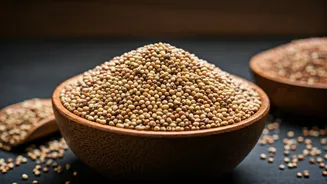
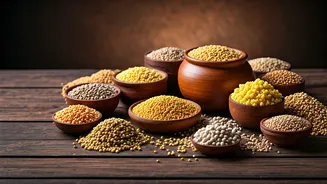
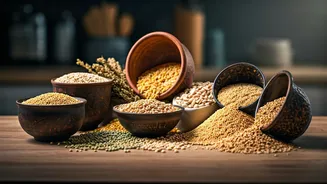
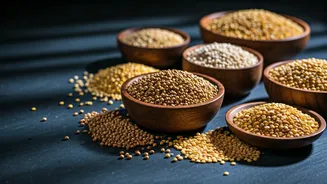
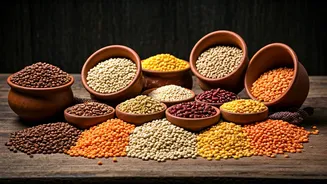
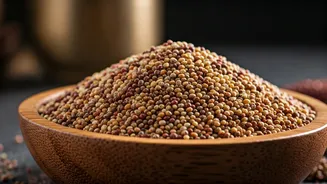
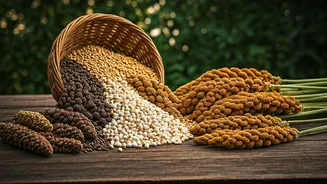
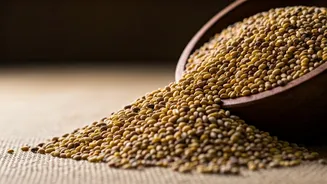
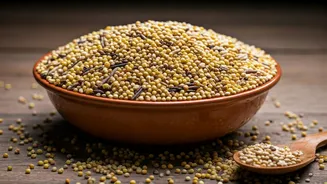
This is where millets—a category of ancient grains including jowar (sorghum), bajra (pearl millet), and ragi (finger millet)—are staging a triumphant return. Nutritionally, they are powerhouses. Compared to white rice and refined wheat, millets offer a staggering amount of dietary fibre; some varieties contain 5 to 50 times more. For instance, while white rice has a mere 0.4g of fibre per 100g, and refined wheat has 2.7g, millets can range from 3g to as high as 20g. But their benefits don't stop there. They are also richer in essential minerals like calcium and iron and boast a lower glycemic index, which helps prevent the sharp blood sugar spikes associated with refined grains.
A Taste of History
Millets are by no means a new trend; they are a legacy. For thousands of years, these hardy grains were the backbone of the Indian diet, with archaeological evidence tracing their consumption back to the Indus Valley Civilization. They were cherished for their resilience, able to thrive in arid, drought-prone regions where other crops would fail. However, the Green Revolution in the 1960s and 70s dramatically shifted the agricultural landscape. Government policies began to heavily promote high-yield varieties of wheat and rice to ensure food security, providing subsidies that made them more economically attractive for farmers. As a result, millet cultivation collapsed, and these once-staple grains were pushed to the margins of Indian agriculture and cuisine.
The Great Millet Makeover
Today, a powerful revival is underway, driven by a perfect storm of factors. Growing health consciousness among consumers is a major driver, but government initiatives have provided a significant push. India's championing of 2023 as the International Year of Millets, a proposal supported by over 70 countries, placed these grains on the global stage. This has been backed by domestic policies, with state governments in places like Odisha and Chhattisgarh launching their own millet missions to support farmers and promote consumption. Simultaneously, a vibrant startup ecosystem has emerged, making millets more accessible and appealing to the modern palate. Companies are creating everything from millet-based breakfast cereals and dosa mixes to noodles, pasta, and even pizza bases.
Beyond the Bhakri: Millets in the Modern Kitchen
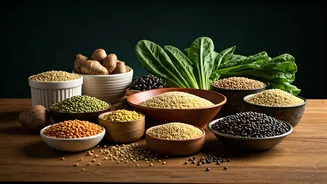
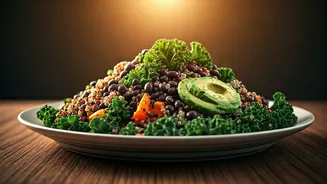
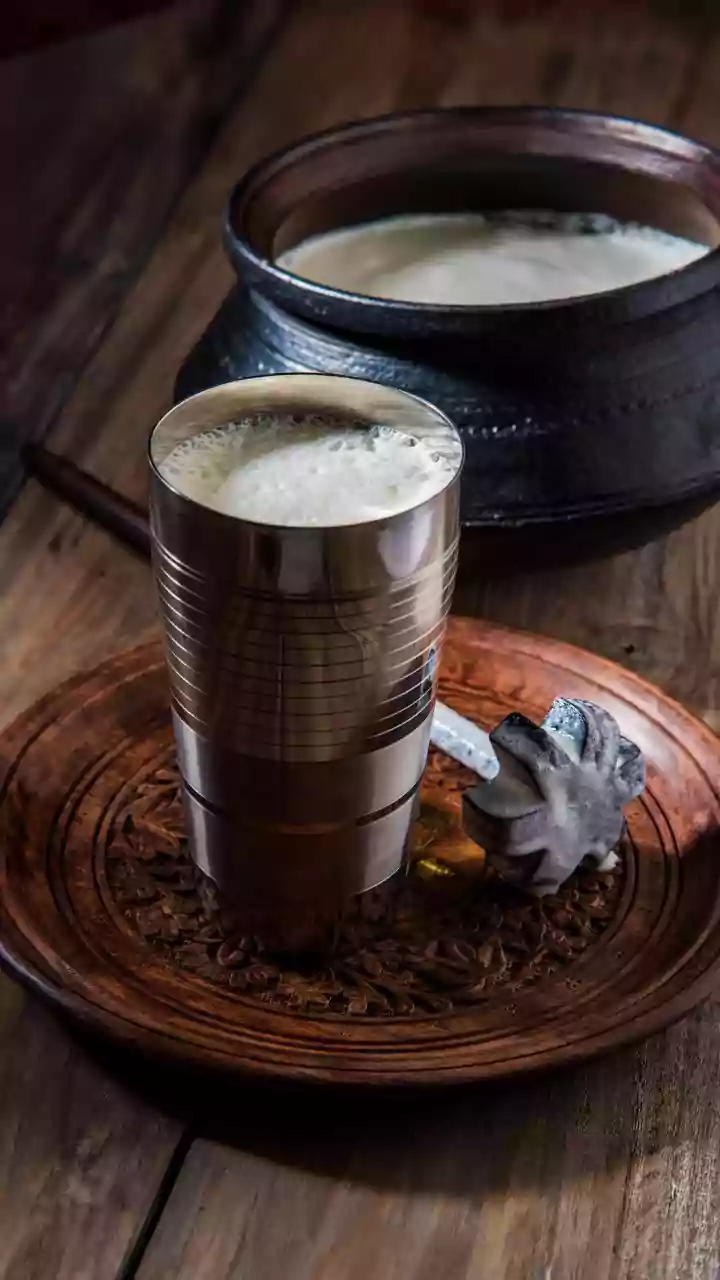
The idea that millets are only good for making traditional flatbreads like bhakri or roti is outdated. Their versatility is one of their greatest strengths. You can start your day with a comforting bowl of ragi porridge or millet flakes. For lunch, a salad made with cooked foxtail millet, fresh vegetables, and a light dressing is a refreshing option. Millets can easily substitute rice in dishes like pulao, biryani, or khichdi, making them more filling and nutritious. You can even add them to soups for extra texture, blend them into smoothies, or use millet flour in baking for everything from pancakes to cakes, infusing familiar treats with a healthy, fibrous boost.