


Why Drainage Is Everything
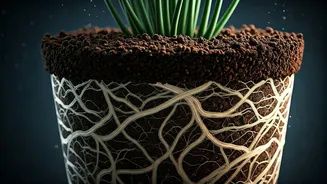
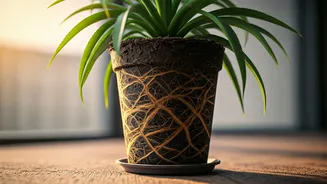
Before we talk about pots and soil, it's crucial to understand why drainage is non-negotiable. When water sits at the bottom of a pot, it drowns the roots. Plant roots need oxygen to function, and waterlogged soil suffocates them, leading to a condition
called root rot. This is the most common killer of potted plants. Symptoms of poor drainage can be confusing; they often look like underwatering, with yellowing leaves, wilting, and stunted growth. Without proper drainage, you create a swampy, oxygen-deprived environment where harmful fungi and bacteria thrive, and your plant’s health spirals downwards.
Choosing the Right Pot and Soil
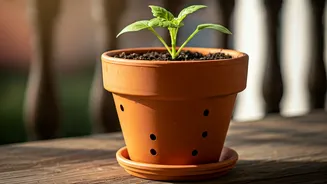
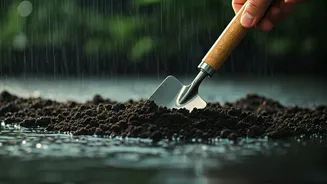
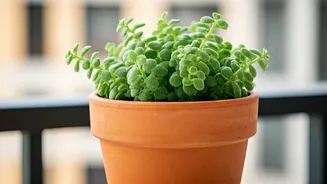
Your first line of defense is the pot itself. Always choose pots with at least one, and preferably multiple, drainage holes at the bottom. This is essential. The material also matters. Terracotta pots are porous and breathable, which helps soil dry out, making them ideal for plants that prefer drier conditions, especially in humid climates. When it comes to soil, never use soil directly from a garden. It is too dense, compacts easily in pots, and retains too much water, blocking airflow. Instead, use a quality potting mix. These are specifically designed for containers, containing ingredients like coconut coir, perlite, and vermiculite to create a light, airy structure that holds moisture but allows excess water to escape.
The Myth of a Gravel Layer
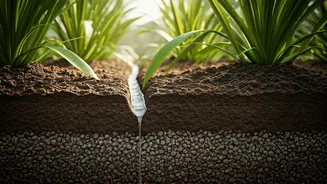
For generations, gardeners have been told to put a layer of gravel or broken pottery at the bottom of pots to improve drainage. This is a myth. In reality, this practice does more harm than good. Instead of helping water drain out, it raises the level of saturated soil—the 'perched water table'—closer to your plant's roots, effectively reducing the amount of usable soil and increasing the risk of root rot. True drainage is about giving water a clear exit path out of the pot. The best strategy is to simply use a good quality potting mix from top to bottom and ensure the drainage holes are not blocked.
Dealing with Pots Without Holes
What if you’ve fallen in love with a decorative pot that has no drainage holes? All is not lost. The simplest and most effective solution is called the 'double pot' or 'cachepot' method. Plant your plant in a slightly smaller plastic nursery pot that has drainage holes. Then, place this inner pot inside your decorative pot. When you water, you can remove the inner pot, let it drain completely in a sink or outdoors, and then place it back in the decorative pot. This gives you the best of both worlds: a beautiful container and a healthy, well-drained plant.
Special Care During Indian Monsoons
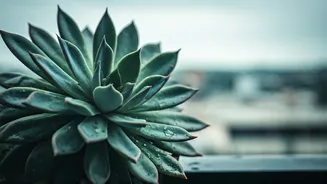
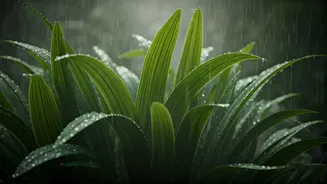
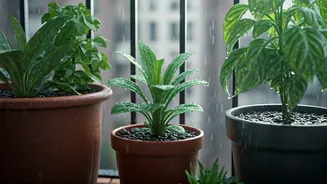
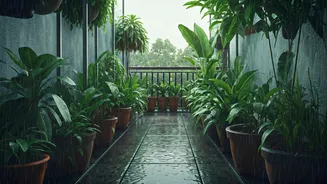
The Indian monsoon presents a unique challenge. The combination of relentless rain and high humidity means pots can become waterlogged very quickly. During this season, good drainage is even more critical. Ensure drainage holes are clear and not blocked by soil or roots. It’s also wise to elevate your pots using pot feet or bricks to allow water to escape freely and prevent them from sitting in puddles. Check the soil moisture before watering; just because it's raining doesn't mean every pot needs less water, but many will. For succulents and other sensitive plants, it might be necessary to move them to a covered balcony or a spot protected from direct, heavy rain.