




The Daily Grind's Hidden Problem
In cities across India, the cafe culture is booming. With every flat white and cappuccino served, a small puck of wet, used coffee grounds is discarded. Individually, it seems insignificant. Collectively, it amounts to a mountain of organic waste. Globally,
billions of kilograms of spent coffee grounds (SCGs) are produced annually. When sent to landfills, this nitrogen-rich material decomposes and releases methane, a potent greenhouse gas. For businesses, it's a disposal headache and a cost. For the environment, it's a missed opportunity. This waste is packed with valuable compounds like proteins, lipids, and carbohydrates, making it a potential raw material rather than just refuse.
How Fungi Feast on Coffee
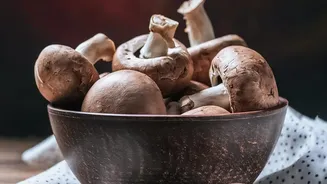
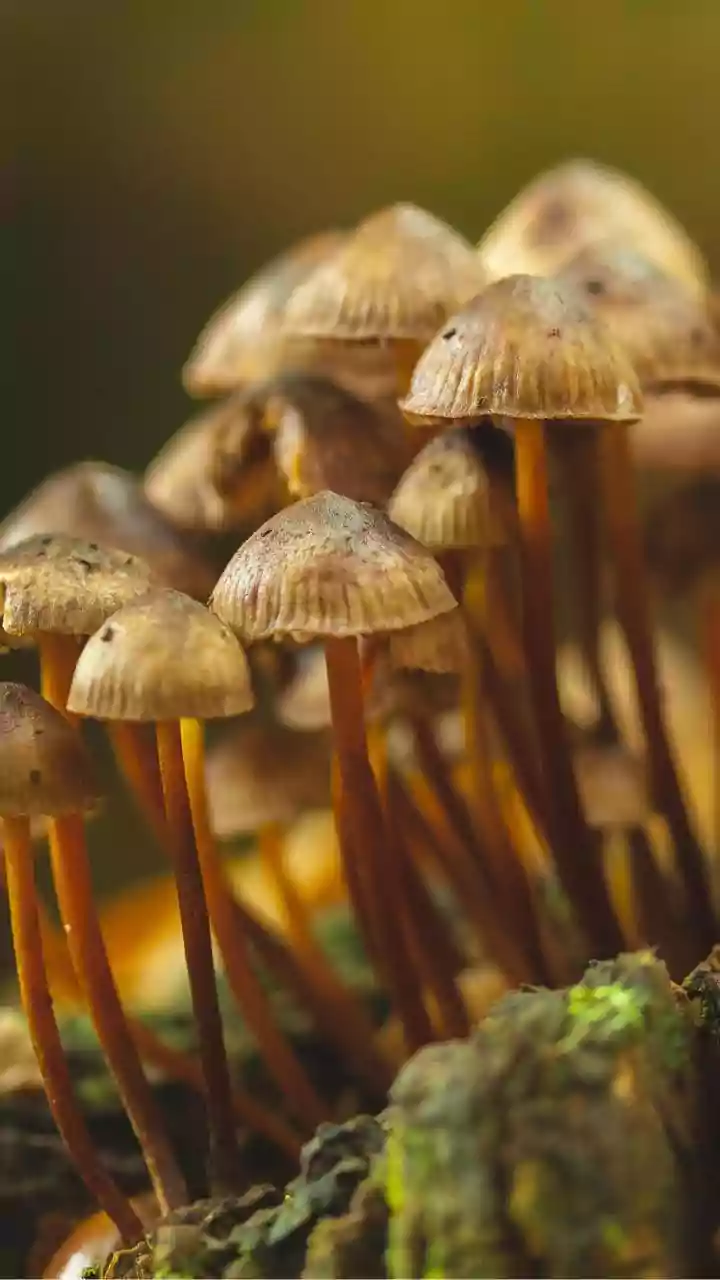
Enter the humble mushroom. Fungi are nature’s master decomposers, and certain varieties, particularly Oyster mushrooms (Pleurotus ostreatus), thrive on the nutrients found in SCGs. The process of brewing coffee inadvertently pasteurises the grounds, killing off many competing microbes and making them a relatively clean slate for mushroom cultivation. The core idea is simple: collect fresh coffee grounds, mix them with mushroom spawn (the vegetative root-like structure, or mycelium), and place them in a controlled environment. The mycelium colonises the coffee grounds, breaking down the complex organic matter and, after a few weeks, producing clusters of edible, protein-rich mushrooms.
The Recent Breakthroughs
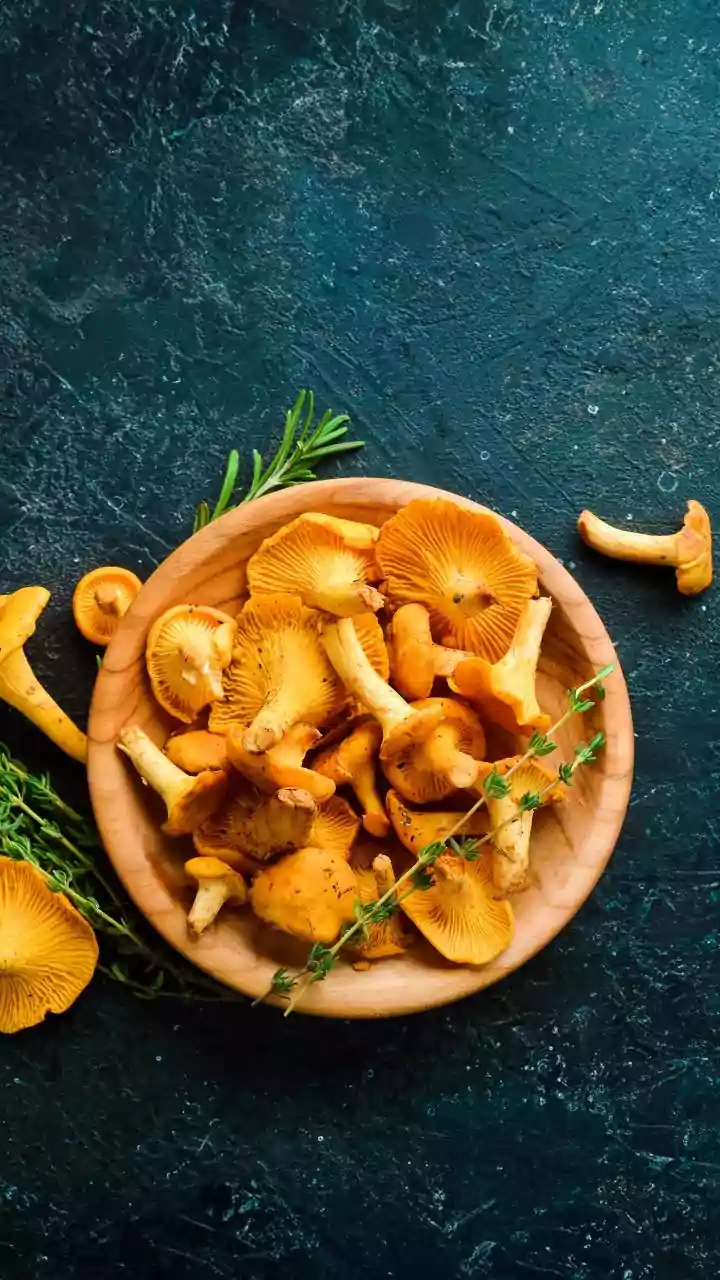
While growing mushrooms on coffee isn't a brand-new concept, recent advancements are making it more efficient and commercially viable. The real 'breakthrough' lies in optimisation and scalability. Researchers are fine-tuning substrate mixes to maximise yields. A 2026 study found that mixing coffee grounds with other agricultural residues, like specific grasses, could significantly boost biological efficiency. Other innovations focus on the composition itself. While coffee grounds alone can be too dense and restrict airflow, new techniques involve blending them with materials like sawdust or straw to create a better structure for more sensitive species like Lion's Mane. This allows for a wider variety of gourmet mushrooms to be grown, expanding the market potential beyond just Oysters.
More Than Just Food: A Circular Business Model
The benefits extend far beyond simply growing food. For cafes and restaurants, it offers a way to reduce waste disposal costs. For entrepreneurs, it creates a low-overhead urban farming business. These urban farms can be set up in basements, warehouses, or shipping containers, requiring minimal space to produce a high-value crop. This represents a perfect example of a circular economy: a waste product from one industry becomes the primary resource for another. After the final mushroom harvest, the leftover substrate doesn't go to waste. It becomes a nutrient-rich compost and organic fertiliser, which can be sold or used to support local agriculture, closing the loop completely.
The Potential for Indian Cities
With rapid urbanisation and a growing coffee culture, Indian cities like Bengaluru, Mumbai, and Delhi are prime candidates for this model. These metros face significant waste management challenges, and urban farming initiatives are already gaining traction. Introducing coffee-based mushroom cultivation aligns perfectly with existing trends towards local, sustainable food production and creating greener urban spaces. Startups focused on hydroponics and vertical farming are already proving that city dwellers have an appetite for locally sourced produce. By partnering with the hundreds of cafes in a single city, urban mushroom farms could divert tonnes of waste while supplying fresh, high-protein food to restaurants and consumers, reducing food miles and boosting local food security.