

The Current Cost Hurdle: The Lithium-Ion Battery
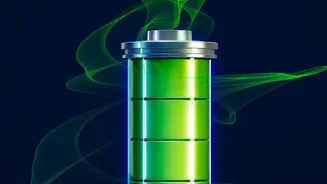
To understand why the future is so exciting, we first need to look at the present. The single most expensive component in any electric scooter today is its battery, often accounting for 30-40% of the total vehicle cost. These are typically lithium-ion
batteries, the same technology that powers your smartphone. While effective, they have limitations. They use a flammable liquid electrolyte, which requires heavy and complex cooling and safety systems to prevent overheating and potential fires. This adds weight, complexity, and, most importantly, cost to the final product. Furthermore, the materials used, like cobalt and nickel, are expensive and have volatile supply chains, making it difficult for manufacturers to bring down prices substantially.
Enter Solid-State: A Game-Changing Shift
Solid-state batteries represent a fundamental shift in design. As the name suggests, they replace the flammable liquid electrolyte with a solid material, such as a ceramic or polymer. This simple change has massive implications. By removing the liquid, the risk of leaks and fires is virtually eliminated, making the batteries inherently safer. This enhanced safety means manufacturers can do away with many of the bulky and expensive cooling and management systems required for current lithium-ion packs, immediately cutting down on both weight and cost. The solid electrolyte also acts as a separator, further simplifying the battery's internal structure and streamlining manufacturing.
How Solid-State Unlocks Lower Prices
The path to a cheaper scooter is paved with the multiple advantages of solid-state technology. Firstly, the increased safety and simpler design reduce the bill of materials. Fewer components mean a less complex assembly process and lower manufacturing costs. Secondly, solid-state technology opens the door to using different and more abundant materials. For instance, they enable the use of a lithium metal anode, which is far more energy-dense than the graphite used today. This allows for a much lighter and smaller battery for the same range, or a significantly longer range for the same size. Some Indian companies are even developing solid-state batteries using abundant materials like sodium, which could slash costs even further.
More Than Just a Price Drop
While a lower sticker price is the headline attraction, solid-state batteries promise a vastly superior ownership experience. Their higher energy density could mean scooters that travel 50-80% further on a single charge, effectively ending range anxiety for most riders. They also promise much faster charging times and a significantly longer lifespan, with some prototypes demonstrating the ability to withstand thousands of charge cycles compared to the hundreds for conventional batteries. This durability means the battery could last the entire lifetime of the scooter, eliminating the costly prospect of a mid-life battery replacement, which currently ranges from ₹20,000 to over ₹40,000.
The Timeline for India
So, when can you buy an electric scooter with a solid-state battery? The technology is moving faster than ever, but mass-market adoption will be gradual. While some niche, high-end electric motorcycles and vehicles may see early versions around 2027-2028, widespread availability in affordable scooters is more realistically expected closer to 2030 and beyond. Several global auto giants and battery manufacturers are racing to scale production. In India, companies like Ola Electric and Vikram Solar have announced plans for solid-state battery manufacturing, signaling a local push that could accelerate adoption and align with the nation's self-reliance goals. The journey from lab to showroom is complex, but the technology is no longer just theoretical.