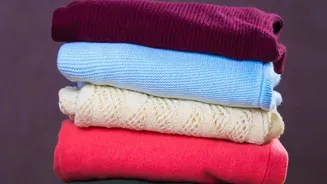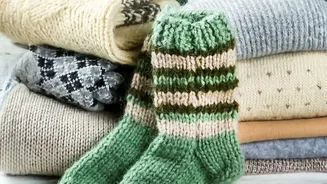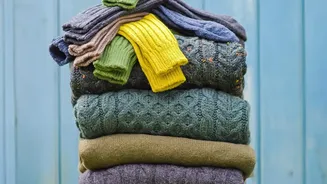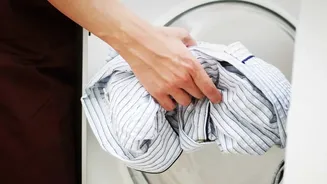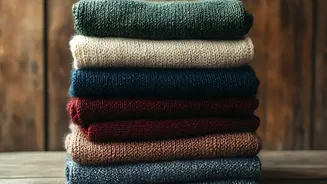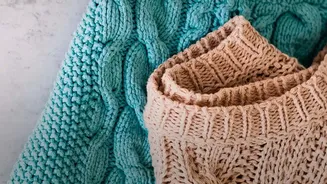




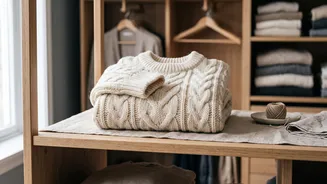
We all have that one favourite woollen sweater we'd be heartbroken to ruin. The fear of it shrinking to a doll's size is real, and the biggest culprit is often hot water. But why exactly is heat the enemy of wool? Let's unravel the mystery.
The Heartbreak of a Shrunken Sweater
It’s a laundry
tragedy: you pull your prized wool jumper from the wash, only to find it has shrunken, tightened, and lost its soft, drapey quality. The fabric feels dense, matted, and unpleasantly stiff. This process, known as felting, is sadly irreversible. Once the fibres have locked together in this way, there is no magic trick to return them to their former glory. This transformation isn't just about size; it changes the entire texture and feel of the garment, turning a cosy staple into a stiff, unwearable object. Understanding why this happens is the first step to preventing it.
A Microscopic Look at Wool Fibres
To understand why hot water is so damaging, we need to zoom in on the structure of a single wool fibre. Much like human hair, each wool fibre is covered in microscopic, overlapping scales, similar to the tiles on a roof. These scales all point in one direction. In their natural, dry state, or in cool water, these scales lie flat and smooth, allowing the fibres to glide past one another. This is what gives wool its flexibility and soft feel. This unique structure is also what allows wool to trap air, providing its famous insulating warmth.
The Science of Felting: Heat, Water, and Agitation
When you introduce hot water (generally above 30-40°C), those tiny scales on the wool fibres lift and open up. Now, imagine adding agitation to the mix, like the tumbling and spinning of a washing machine. With their scales raised, the fibres can no longer slide past each other smoothly. Instead, they grab onto their neighbours, and the scales interlock like a ratchet. As the fibres continue to move, they pull closer and closer together, tangling into a dense, matted fabric. This permanent interlocking is what we call felting, and it's the direct cause of shrinkage and stiffness.
The Right Way to Wash Wool
The key to keeping woolens safe is to avoid the two main triggers for felting: heat and aggressive agitation. Always opt for cold or lukewarm water, ideally around 30°C or cooler. If your washing machine has a dedicated 'wool' or 'delicate' cycle, use it. These cycles use minimal agitation and a slow spin speed to be gentle on the fibres. For extra precious items, hand washing is the safest bet. Use a mild detergent specifically designed for wool, as some regular detergents contain enzymes that can break down the protein fibres in wool. Let the garment soak for about 10 minutes, gently squeeze the suds through, and avoid any harsh rubbing or wringing.
Drying Is Just as Important
Washing is only half the battle. Never put woollen clothes in a tumble dryer. The combination of high heat and tumbling motion is the perfect recipe for felting and will almost certainly shrink your garment. The correct way to dry wool is to first gently squeeze out excess water—never wring it, which can stretch the fibres. Then, lay the garment on a clean, dry towel and roll it up, pressing firmly to absorb more moisture. Finally, unroll it and lay the garment flat on a fresh towel or a mesh drying rack, away from direct sunlight or heat. Hanging a wet wool sweater can cause it to stretch out of shape due to the weight of the water.
Quick Tips for Long -Lasting Woollens
To keep your wool garments looking their best for years, remember these simple rules. First, wash them less often. Wool is naturally odour and stain -resistant , so airing it out after wearing is often enough . For small spills , try spot -cleaning the area first before committing to a full wash . Always read the care label on your garment , as it provides the most specific instructions from the manufacturer . When storing wool , fold it rather than hanging it to prevent stretching , and keep it in a place safe from moths . By treating your wool with a little extra care , you ensure it remains a comfortable and beautiful part of your wardrobe for many seasons to come .