
From Masala Dabba to Superfood Shelf
What was once simply 'haldi' is now a 'golden latte' ingredient, and ghee has shaken off its unhealthy reputation to be celebrated as a premium cooking fat. This shift reflects a global wellness trend that has found a comfortable home in India. Ingredients
like turmeric, ashwagandha, and various millets, long recognised in traditional Indian wisdom, are now being appreciated for their functional health benefits. This isn't just about following international fads; it's a rediscovery of the nutritional intelligence already present in Indian food culture. The pandemic, in particular, accelerated this trend, making immunity a household concern and pushing items like turmeric shots and plant-based proteins from niche stores to local grocery lists.
The Social Media-Fueled Kitchen
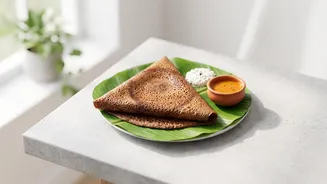
The culinary revolution is being televised, not on TV, but on Instagram Reels and YouTube tutorials. Social media has become a powerful catalyst, making the Indian food scene more dynamic and accessible than ever before. Food bloggers and home chefs are leading the charge, showcasing innovative and often playful ways to use traditional ingredients. Think pasta tossed in a makhani-style sauce, dosas with global fillings, or smoothie bowls sprinkled with moringa powder. This digital exchange of ideas encourages a new generation of home cooks to experiment, breaking down the rigid rules that once defined regional dishes. It has also empowered a wave of home-based food entrepreneurs to turn their passion for creative cooking into viable businesses.
Fusion Cooking Comes Home
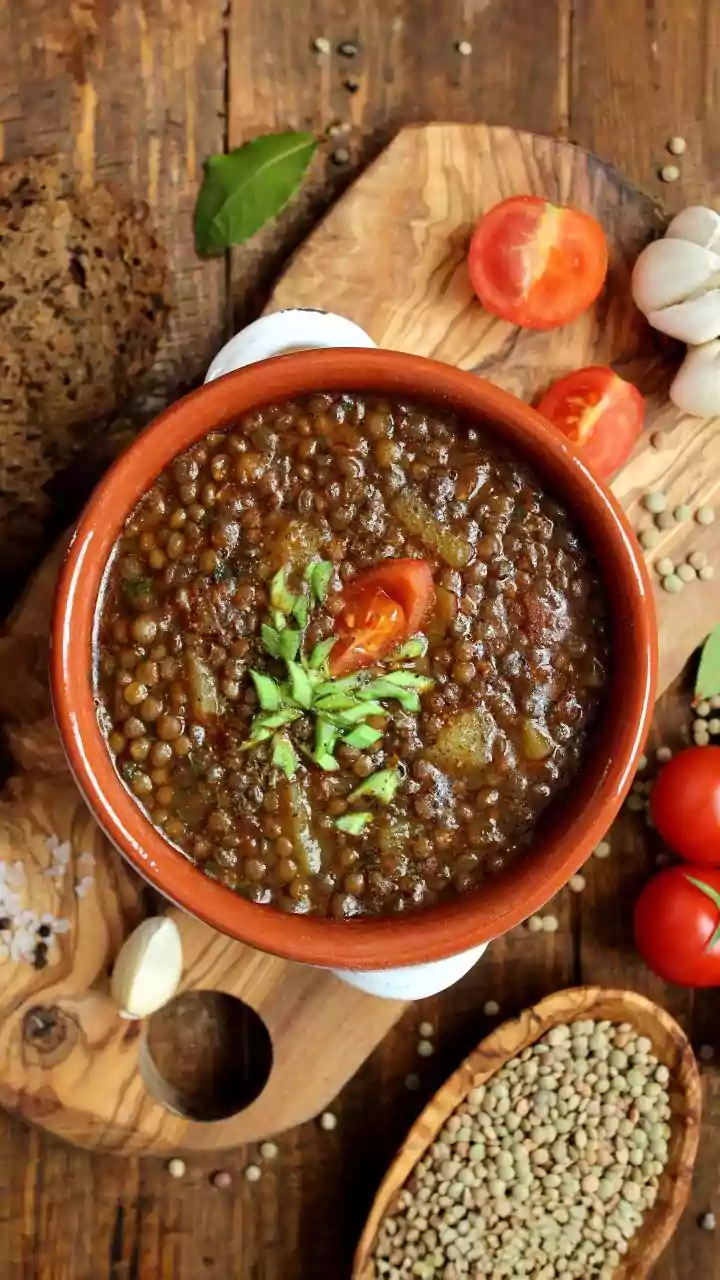
Fusion cuisine is no longer confined to upscale restaurants; it's a vibrant part of modern Indian home cooking. This new approach involves blending familiar Indian spices and flavours with international techniques and ingredients. A home cook might use traditional 'tadka'—tempering whole spices like cumin and mustard seeds in hot oil—as the flavour base for a Western-style soup or stew. Lentils and beans like rajma and chana, staples of comfort meals, are finding their way into hearty salads, tacos, and homemade burgers. This playful mixing of culinary worlds doesn't erase tradition but rather expands it, creating dishes that are both comforting and excitingly new.
A New Generation Reclaims Its Roots
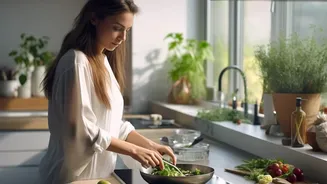
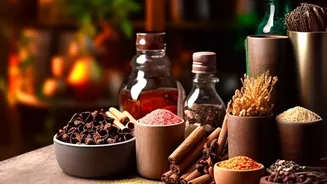
This trend is not about abandoning culinary heritage, but reinterpreting it with confidence and creativity. For many young, urban Indians, cooking at home has become a form of self-expression and a way to connect with their cultural roots on their own terms. They are rediscovering and celebrating family recipes, but with modern twists that fit their lifestyles. The 'dabba' in the kitchen, a staple box of essential spices, remains a constant, but its contents are being used with newfound freedom. It represents a growing confidence in the versatility of Indian flavours and an understanding that tradition is not a static museum piece, but a living, evolving practice.