


The Central Pool: Media Rights are King
The single largest contributor to the IPL's enormous valuation is the sale of media rights. For the 2023–2027 cycle, the Board of Control for Cricket in India (BCCI) secured deals worth a combined ₹48,390 crore (approximately $6.4 billion) from Viacom18
(digital) and Star Sports (television). This money forms the bulk of what is known as the central revenue pool. This pool is the financial backbone of the entire league. The BCCI typically retains about 50% of this central revenue, with the remaining half being distributed among the ten franchises. This model ensures that every team receives a substantial, guaranteed income—estimated to be over ₹400 crore each per season—before a single ticket is sold, providing immense financial stability.
Sponsorship: A Multi-Layered Cake
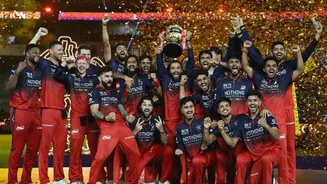
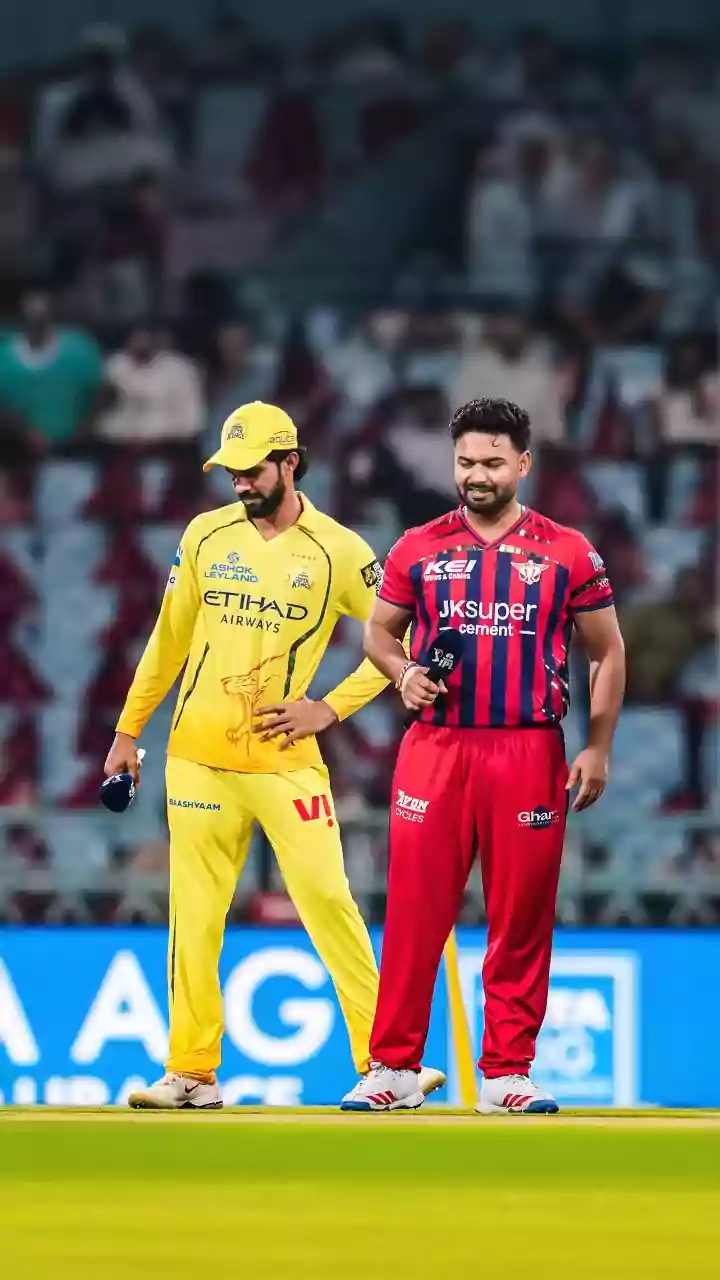
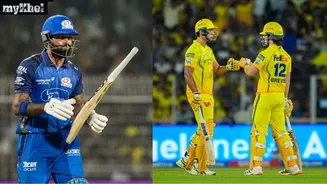
Sponsorship is another critical revenue pillar, operating on two main levels. First, there are central sponsorships managed by the BCCI, such as the title sponsorship. For example, the Tata Group's deal as title sponsor from 2024 to 2028 is valued at ₹2,500 crore. Revenue from these central partners also flows into the shared pool. Second, each franchise independently secures its own portfolio of sponsors. This is where brand value becomes crucial. Teams sell branding space on everything from the front of jerseys and helmets to training kits. Top-tier teams like Royal Challengers Bengaluru, Mumbai Indians, and Chennai Super Kings can generate between ₹130 to ₹190 crore annually just from their own sponsorship deals. This income is separate from the central pool and is a direct result of a team's brand power and fan following.
Matchday Income: Tickets, Gates, and Hospitality
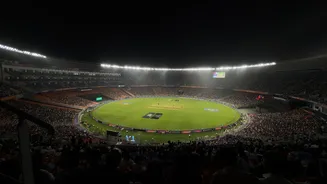
While not as large as media rights, matchday revenue is a significant and direct source of income for franchises. For each home game, the host team keeps a majority of the revenue generated from ticket sales, typically around 80%. This includes standard seating, but also lucrative corporate hospitality boxes and premium lounges that cater to high-end clientele. A packed stadium doesn't just create an electric atmosphere; it translates directly into crores of revenue. This income stream incentivises teams to invest heavily in their home stadiums and fan engagement to ensure sell-out crowds for their seven home matches each season.
Brand Value and Merchandise
A portion of the IPL's overall valuation comes from the intangible but powerful asset of brand value. A strong brand, built through on-field success and star players, creates a loyal fanbase that translates into commercial success. This is evident in merchandise sales, where fans purchase team jerseys, caps, and other memorabilia. While currently a smaller part of the overall revenue pie compared to other streams, it's a growing area. More importantly, a high brand valuation allows a team to command higher fees from sponsors and attracts significant investor interest. Recent sales have proven this, with Royal Challengers Bengaluru being acquired in a transaction valuing the franchise at nearly $1.8 billion and Rajasthan Royals at $1.65 billion, demonstrating massive confidence from global investors.