
Ghent, Belgium: A Fairytale by the Canals
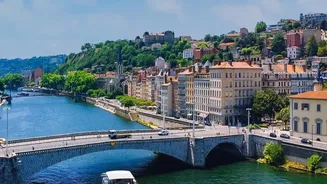
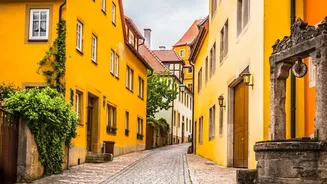
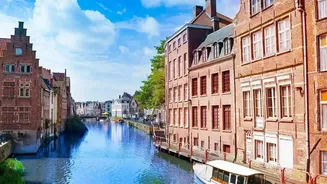
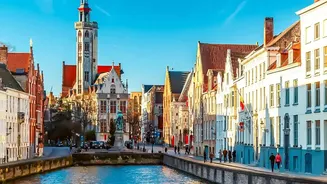
Often overshadowed by nearby Bruges, Ghent is a vibrant city that blends medieval grandeur with a youthful, creative energy. Its historic heart is a stunning tableau of centuries-old architecture, cobbled lanes, and picturesque canals. The Graslei and Korenlei
quays, with their gabled guildhalls reflected in the Leie River, create a scene straight from a painting. Don't miss the imposing Gravensteen, a 12th-century castle complete with a moat and a surprisingly interesting torture museum, offering panoramic views from its ramparts. For a different perspective, climb the 14th-century Belfry, a UNESCO World Heritage site, to see the city's layout from above. Unlike a stuffy museum piece, Ghent is a living city, with a large student population that fuels a lively food and nightlife scene. Explore the charming Patershol neighbourhood, where narrow streets hide some of the city's best restaurants.
Ljubljana, Slovenia: Europe's Green Gem
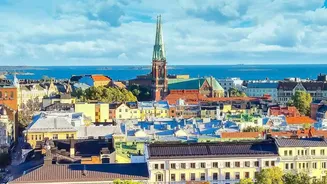
Ljubljana is a city that instantly charms with its relaxed atmosphere and stunning beauty. As one of Europe's greenest capitals, its largely pedestrianized old town is a joy to explore on foot. The Ljubljanica River, crossed by numerous unique bridges like the famous Triple Bridge and the dragon-adorned Dragon Bridge, is the heart of the city. Cafes and restaurants line its banks, creating a perpetually festive atmosphere. Dominating the skyline from its hilltop perch is Ljubljana Castle, accessible via a funicular railway or a pleasant walk. The castle offers fantastic views and a museum on Slovenian history. The city's creative spirit is evident in Prešeren Square, where a statue of a poet, not a general, takes centre stage. A short stroll away, the Central Market bustles with locals shopping for fresh produce, a perfect slice of daily life.
Bologna, Italy: The Learned, the Red, and the Fat
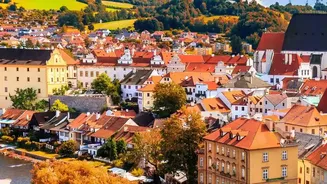
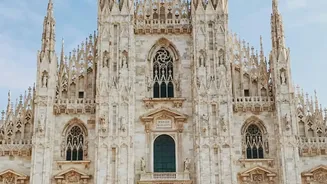
While tourists flock to Rome and Florence, those in the know head to Bologna. Nicknamed 'la Dotta' (the learned) for its ancient university, 'la Rossa' (the red) for its terracotta-roofed buildings, and 'la Grassa' (the fat) for its legendary cuisine, Bologna offers a truly authentic Italian experience. The city is famous for its extensive porticoes—nearly 40 kilometres of covered walkways that make strolling a pleasure in any weather. At its heart is Piazza Maggiore, a grand square flanked by the impressive Basilica di San Petronio. But the real soul of Bologna is its food. This is the birthplace of ragù alla bolognese (never served with spaghetti, but with fresh tagliatelle) and tortellini. Dive into the Quadrilatero, the city's ancient food market district, a maze of narrow streets packed with vendors selling fresh pasta, cheeses like Parmigiano Reggiano, and cured meats such as Mortadella.
Tavira, Portugal: Algarve's Unspoiled Charm
In a region sometimes known for crowded resorts, Tavira represents the 'real' Algarve. This impossibly pretty town on the Gilão River has managed to retain its traditional character and laid-back pace. Its history is a rich tapestry of Roman and Moorish influences, visible in its whitewashed buildings, cobbled streets, and the remnants of a castle that now encloses a beautiful garden. A seven-arched Roman bridge (of Roman origin, though rebuilt) connects the two halves of the town. Tavira is known for its incredible number of churches—over 36 in total. While the town itself is a delight, its beaches are a major draw. A short ferry ride takes you to Ilha de Tavira, a pristine barrier island within the Ria Formosa Natural Park, offering kilometres of golden sand beaches perfect for a relaxing day by the sea.