


Konark: The Sun God's Stone Chariot
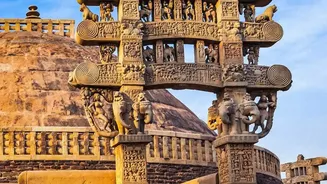
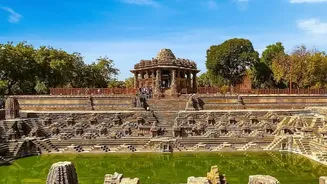
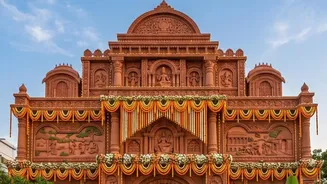
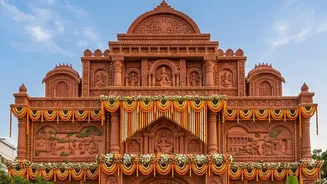
Your journey begins at the Konark Sun Temple, a UNESCO World Heritage site that stands as a breathtaking monument to faith and architectural genius. Built in the 13th century by King Narasimhadeva I of the Eastern Ganga dynasty, the temple was conceived
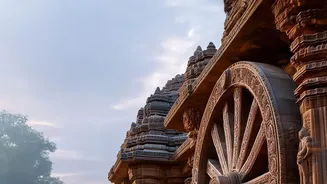
as a colossal chariot for Surya, the Sun God. Though parts of the main spire have collapsed over centuries, what remains is awe-inspiring. The entire structure is designed as a gigantic stone vehicle with 24 intricately carved wheels, pulled by seven powerful horses representing the days of the week. Even in its partially ruined state, the temple’s scale and design offer a profound glimpse into the grandeur of Kalinga architecture. Located about 35 kilometres from Puri, it remains a symbol of India's celestial and artistic legacy. Allow at least two to three hours to walk through the complex and absorb its majestic presence.
Wheels of Time and Carved Details
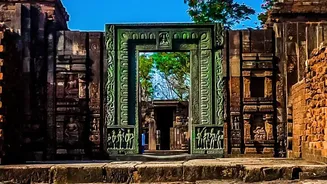
The details of Konark are where its stories truly unfold. Each of the 24 wheels, measuring nearly 10 feet in diameter, is not just a decorative element but also a functional sundial, capable of telling time with remarkable accuracy by observing the shadows cast by its spokes. The temple walls are covered in thousands of sculptures depicting a vivid tapestry of 13th-century life. You will see celestial dancers, musicians, animals, and intricate scenes of daily life, from royal processions to domestic chores. The temple is also known for its sensual carvings, which, much like those at Khajuraho, are interpreted as symbols of fertility and the celebration of life. For a deeper understanding of the temple's history and the stories behind the carvings, hiring a certified guide at the entrance is highly recommended. The best time to visit is between October and February when the weather is pleasant for exploring.
Raghurajpur: A Village Painted with Stories
After immersing yourself in ancient history, a short 10-14 km drive from Puri takes you to the living, breathing art gallery of Raghurajpur. Recognized as Odisha's first heritage crafts village, this is a place where art is a way of life. Almost every one of the 100-odd households has an artist, or 'Chitrakar', who practices traditional art forms passed down through generations. The village itself is a canvas, with the walls of homes decorated with vibrant murals, offering a colourful welcome to visitors. As you walk through its lanes, you are not just an observer but a guest, invited into homes that double as studios to watch artists at work and hear the stories behind their creations. There is no entry fee, and you can visit anytime, though artists are most active during the day.
The Intricate World of Pattachitra
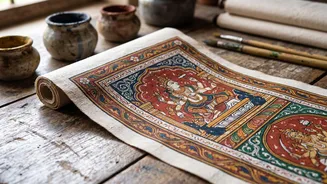
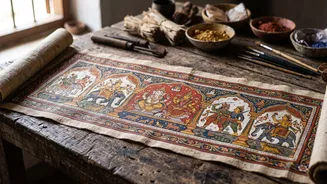
Raghurajpur is most famous for Pattachitra, a traditional form of cloth-based scroll painting. The name comes from the Sanskrit words 'patta' (cloth) and 'chitra' (picture). The process is entirely traditional, starting with the preparation of the canvas by coating cloth with a mixture of chalk and gum from tamarind seeds. The artists then use natural colours derived from sources like conch shells for white, lamp soot for black, and various minerals for other hues. The paintings depict mythological narratives, especially stories of Lord Jagannath, scenes from the Ramayana and Mahabharata, and folklore. The intricate details, strong lines, and decorative borders are hallmarks of this celebrated art form, which has earned a Geographical Indication (GI) tag.
More Than Just Paintings
While Pattachitra is the main draw, the artisans of Raghurajpur are masters of several other crafts. You will find delicate engravings on dried palm leaves, an ancient art known as Tala Pattachitra. In this form, images are etched into the leaves, which are then sewn together to create foldable narratives. The village is also known for its beautiful wood carvings, stone sculptures, and eco-friendly toys made from cow dung and papier-mâché. These unique handicrafts make for excellent souvenirs. Buying directly from the artisans ensures you are getting an authentic piece while also supporting the local community and helping preserve these priceless traditions. Many visitors find interacting with the artists and learning about their process as rewarding as the art itself.