


A Mission of Firsts for India
Chandrayaan-4 is not just another lunar mission; it's a complex, multi-part symphony of engineering and ambition. The primary goal is to soft-land on the lunar surface, collect rock and soil samples, and then return them safely to Earth for scientific
study. If successful, India will become only the fourth country in history—after the United States, the former Soviet Union, and China—to accomplish this incredible feat. Planned for a 2028 launch, the mission is a crucial stepping stone in India's long-term space exploration agenda, which includes putting an Indian astronaut on the Moon by 2040. It’s designed to test and validate a host of new technologies essential for future deep-space and crewed missions.
The Five-Module Spaceraft
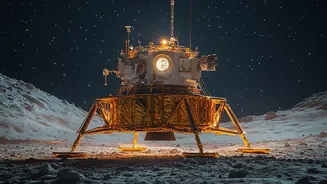
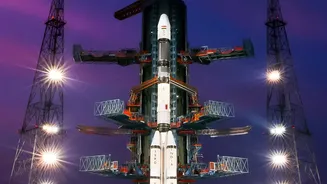
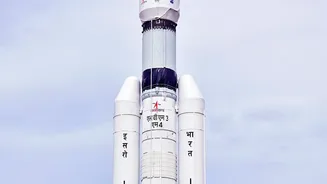
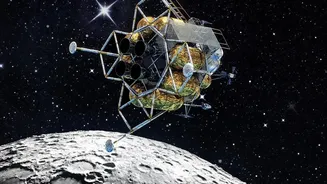
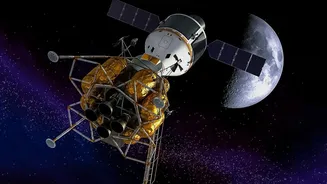
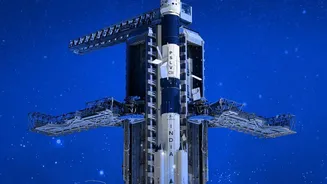
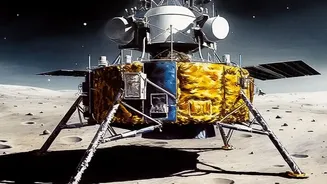
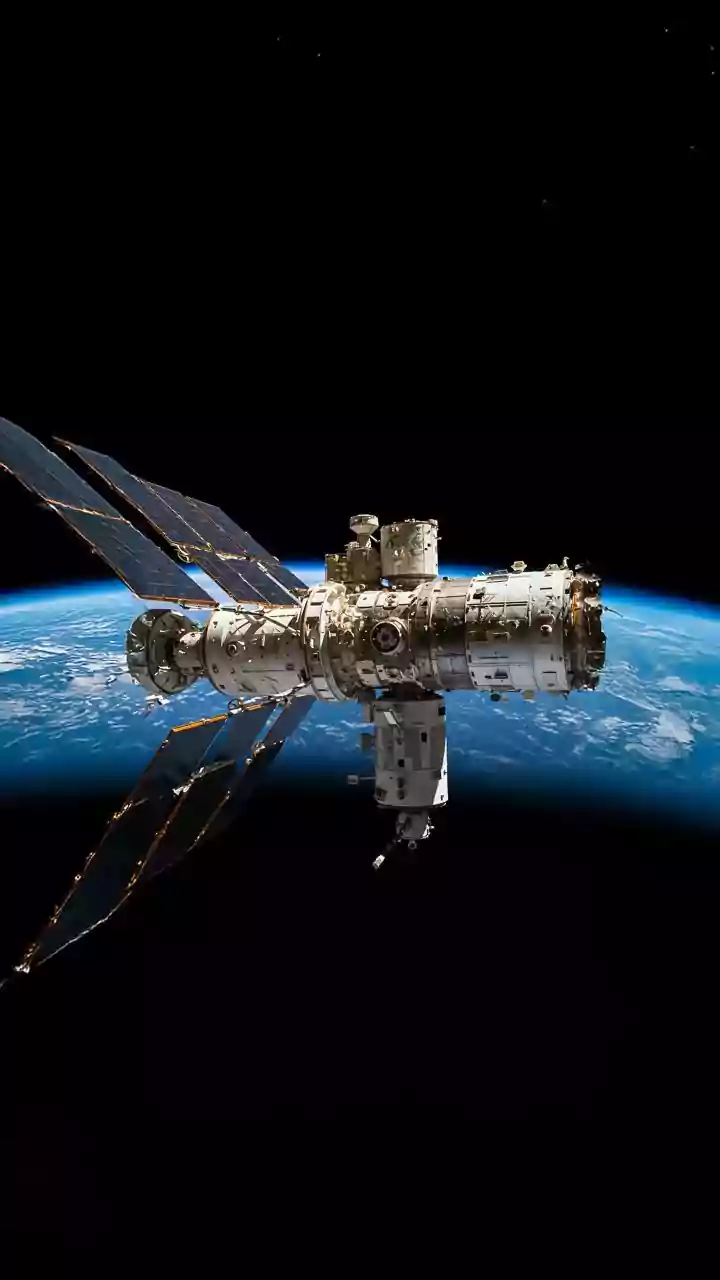
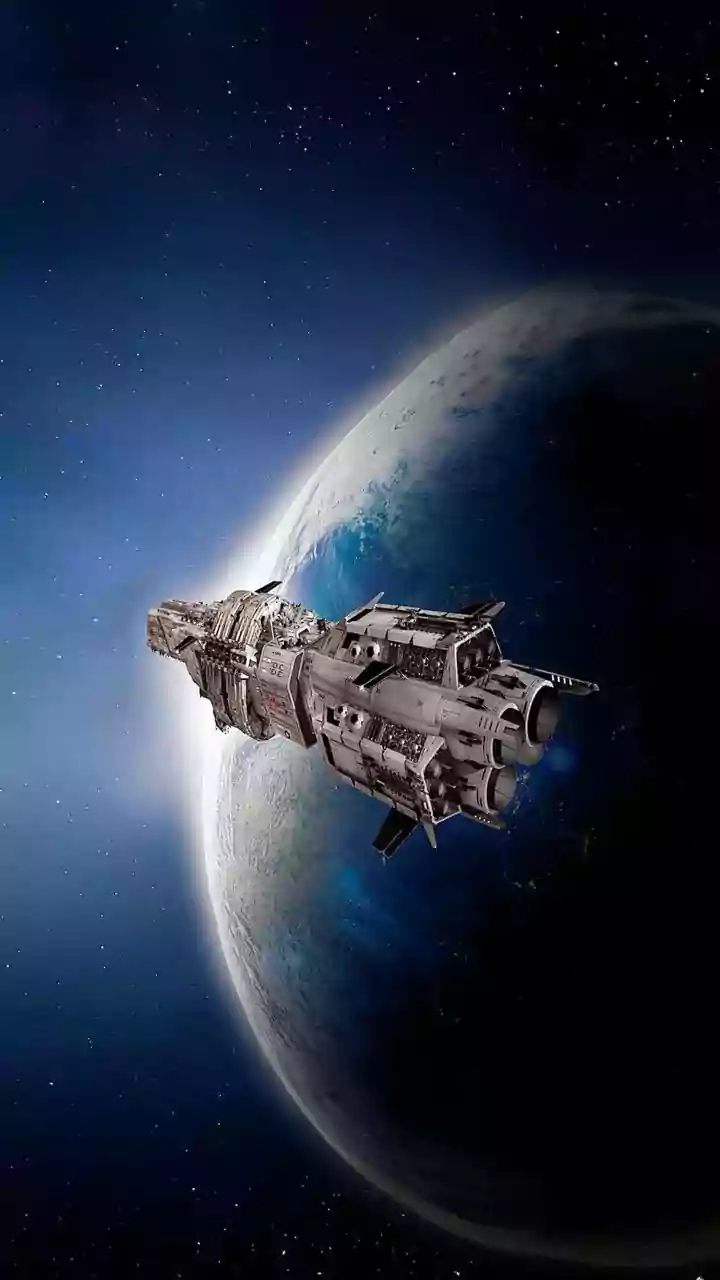
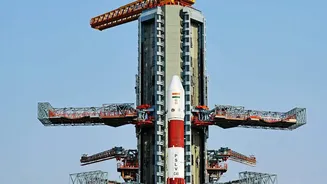
The complexity of Chandrayaan-4 is reflected in its architecture. The mission will use five separate modules, a significant step up from the three-module system of Chandrayaan-3. These modules include a Propulsion Module to travel to the Moon, a Descender (lander) for the soft landing, an Ascender to lift off from the lunar surface with the samples, a Transfer Module to carry the samples in lunar orbit, and a Re-entry Module to bring them back to Earth. Because the combined weight of these components is too much for a single rocket, ISRO plans to use two of its heaviest launch vehicles, the LVM-3, in a dual-launch strategy. The different parts will launch separately and then perform a complex docking manoeuvre in Earth's orbit before heading to the Moon.
Drilling Down at the South Pole
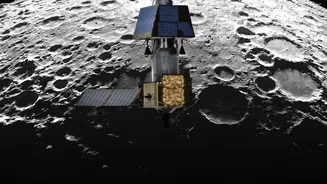
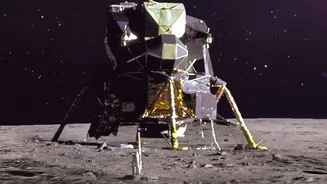
The mission's destination is the lunar South Pole, a region of immense scientific interest due to the potential presence of water ice in permanently shadowed craters. After landing, the real work begins. The lander will deploy a robotic arm to scoop up surface soil, collecting roughly 2-3 kilograms of lunar regolith. More importantly, it will also feature a drilling mechanism to collect subsurface samples. These pristine samples from beneath the surface are crucial as they are shielded from the harsh solar radiation and could hold vital clues about the Moon's history and the resources it contains. The samples will be sealed in special containers to prevent any contamination during their long journey home.
The Intricate Return Journey
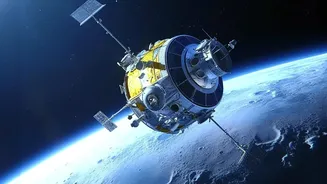
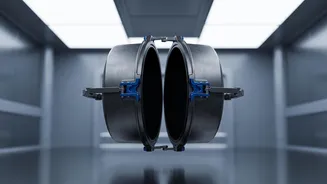
Getting the samples is only half the battle. Once collected and stored, the Ascender module will fire its engines, using the lander as a launchpad to lift off from the Moon—a first for India. It will then rendezvous and dock with the Transfer Module waiting in lunar orbit. This in-orbit docking, another major first for ISRO, is a critical and challenging manoeuvre. The samples will be transferred to the Re-entry Module, which will then begin its journey back to Earth. This module is designed to withstand the intense heat of re-entering Earth's atmosphere before making a safe landing, delivering its precious cargo to scientists.
Why Bring Moon Dust to Earth?
While Chandrayaan-3's rover conducted experiments on-site, bringing samples back to Earth allows for a much more detailed and extensive analysis. Scientists can use advanced laboratory equipment that is far too large and complex to send to the Moon. These samples could unlock secrets about the Moon's origin, the history of our solar system, and the potential for utilising lunar resources like water ice for future missions. The mission will not only provide a massive boost to Indian science but will also contribute invaluable knowledge to the global scientific community, cementing India’s status as a major player in space exploration.