







The appeal of coastal decor lies in its ability to evoke a sense of calm and escape. It’s a style that feels like a permanent vacation. But achieving this breezy, open, and airy atmosphere is about more than just a few nautical motifs.
The Foundation: A Sun-Drenched Palette
The first step to
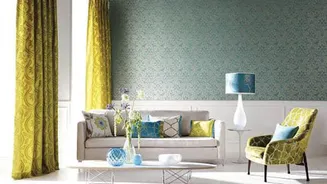
an airy coastal room is the colour palette. The goal is to create a bright backdrop that reflects as much natural light as possible. Start with a foundation of soft, warm whites or sandy beiges for the walls. These shades are reminiscent of sun-bleached shores and prevent the space from feeling cold or sterile. For accent colours, look to the sea and sky. Soft, watery blues, seafoam greens, and muted greys work beautifully. These colours should be used to complement the neutral base, not overpower it. Think of a blue accent wall, soft green cabinetry, or light grey upholstery to add depth without sacrificing the light, open feeling.
Embrace the Power of Natural Light
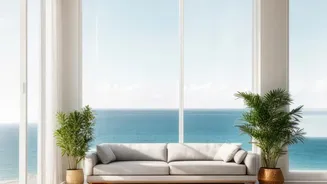
Coastal design is defined by its bright, sun-filled interiors. The key is to maximize the natural light you have. This means keeping window treatments minimal. Opt for sheer, breezy fabrics like linen or light cotton that allow light to filter through while still offering privacy. Avoid heavy, dark drapes that block light and make a room feel smaller. Extending your curtain rods well beyond the window frame is a simple trick that allows the curtains to be pulled back completely, exposing the entire glass surface to let more light pour in. Large windows, glass doors, and even skylights are architectural features that blur the line between indoors and out, reinforcing that breezy, open-plan feel.
Layering with Natural Textures
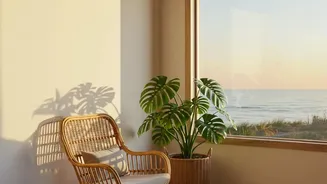
Texture is where the coastal aesthetic truly comes to life, adding warmth, depth, and visual interest to a neutral palette. The focus should be on organic, natural materials. Incorporate rugs made from jute, sisal, or seagrass to ground the space with an earthy, rustic feel. For fabrics, choose breathable options like linen and cotton for slipcovered sofas, bedding, and cushions. These materials are not only comfortable but also add to the relaxed, unfussy vibe. Don't be afraid to mix different textures. A smooth-to-the-touch throw, a woven rattan chair, and a weathered wood coffee table can all coexist beautifully, creating a layered and inviting environment.
Choosing Relaxed and Functional Furniture
Coastal furniture prioritizes comfort and casual living. Think of pieces that feel relaxed and lived in rather than formal or precious. Sofas and chairs with slipcovers in light, neutral fabrics are a classic choice; they are both practical and evoke the image of windfilled sails. Furniture made from lightcoloured or weathered woods, such as bleached oak or driftwood, enhances the airy aesthetic. Wicker and rattan are also staples of coastal design, perfect for accent chairs, tables, or lighting fixtures. The key is to maintain a sense of openness in the layout. Avoid overcrowding rooms with furniture. Instead, select functional pieces and arrange them to create clear pathways and an easy, breezy flow.
Subtle Details and Decor
The final layer involves adding decorative accents that tie the look together. The modern coastal style steers clear of an overthetop nautical theme filled with anchors and boat wheels. Instead, the references to the sea are more subtle and organic. Think of a bowl of sea glass on a coffee table, framed coastal landscape photography, or a large piece of coral on a bookshelf. Mirrors with frames made of rope or bamboo can enhance light and add textural interest. Simple ceramic vases, handknotted rugs, and art with abstract seascape motifs also contribute to the overall feeling of a serene seaside retreat. These small touches should feel collected and personal, reflecting the natural beauty of the coast without being too literal.