









Beyond Postcards and Panoramas
For many, the Northeast is a mosaic of stunning landscapes and vibrant cultures, a perfect escape from bustling city life. But beneath the surface of this idyllic image lies a complex reality for its residents, especially in remote villages. Limited infrastructure
is a significant challenge. Poorly lit pathways, infrequent public transport, and vast, unmonitored spaces can create an environment of vulnerability. This reality disproportionately affects women and girls, restricting their mobility, access to education, and participation in the local economy. The fear of harassment or assault after dark is not just an abstract concern; it's a daily calculation that dictates when they can leave their homes, what work they can do, and how freely they can move within their own communities.
Technology in Their Own Hands
Instead of waiting for top-down solutions, communities are now taking matters into their own hands with a powerful, accessible tool: crowdsourced digital safety mapping. Spearheaded by organisations like the North East Network (NEN), these initiatives are turning smartphones into instruments of change. The concept is a localised version of 'safety audits' that have been used in cities worldwide. It’s fundamentally about collecting data on public spaces from the perspective of those who use them every day. It's not about surveillance; it's about systematically documenting lived experiences to build a case for improvement. By empowering local women and youth to become data collectors, the project ensures that the information gathered is rooted in genuine community concerns, not assumptions made by outsiders.
How a Safety Map Is Built
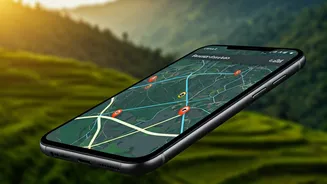
The process is remarkably straightforward yet effective. Using simple mobile applications, groups of volunteers—often young women—walk through their villages and surrounding areas. They audit different locations based on a set of predefined parameters. These typically include the quality of lighting, the condition of pathways, how open or secluded an area is ('eyes on the street'), the presence of security personnel or public facilities, and general feelings of safety or fear associated with the spot. Each location is given a rating, geotagged, and uploaded to a central platform. When aggregated, this data creates a detailed, colour-coded digital map of the village. Red zones highlight areas of high risk, while green zones indicate safe spaces. This visual evidence transforms individual anxieties into a collective, data-backed statement.
From Data to Dialogue and Demands
The map itself is not the final product; it's the beginning of a conversation. Armed with this concrete data, community members can approach local governance bodies, such as Village Councils or panchayats, with specific, actionable demands. Instead of saying, "That road feels unsafe," they can present a map showing a cluster of red dots and say, "This 200-metre stretch has no streetlights, is isolated, and has been identified as a high-risk area by 30 women in our community." This evidence-based approach makes it difficult for authorities to dismiss their concerns. The maps have been used to successfully lobby for the installation of streetlights, the clearing of overgrown bushes that provide cover for assailants, and increased police patrols in vulnerable areas, leading to tangible improvements in public safety.
Unlocking Economic and Social Freedom
The impact of these safety maps extends far beyond just preventing crime. By making villages physically safer, they are also unlocking immense economic and social potential. For one, it directly addresses the headline's promise of 'opening up' these hidden gems to the world. A safer environment is more welcoming for tourists, which is crucial for a region where eco-tourism and homestays are a growing source of livelihood. More importantly, it empowers local women entrepreneurs. A woman running a homestay or a small shop is more likely to thrive if both she and her potential customers feel safe moving about, especially in the evening. This newfound safety translates into greater freedom, confidence, and economic independence, creating a virtuous cycle of community-led development and prosperity.