

Craving the bold, buttery flavours of Indian street food? Paneer Ghotala, a messy, delicious scramble from Surat, is a must-try. This guide will show you how to master this savoury mixture right in your own kitchen.
What Exactly Is Paneer Ghotala?
To understand Paneer Ghotala, you have
to start with its name. In Hindi and Gujarati, 'ghotala' can mean 'scam' or 'mess'. In this culinary context, it perfectly describes how the ingredients are mashed and mixed into a glorious, unified scramble. Originating from the bustling food stalls of Surat in Gujarat, this dish is the vegetarian answer to the popular 'Anda Ghotala', which uses eggs. Creative street vendors swapped eggs for paneer, creating a dish with a similar satisfying texture. It's not quite a dry scramble like paneer bhurji, nor is it a formal curry; it exists in a delicious space in between, defined by its rich, mashed consistency and bold spicing.
The Heart of the Flavour: Key Ingredients
The soul of a great Paneer Ghotala lies in a few crucial components. First is the paneer itself. For the best texture, use fresh, soft paneer that can be easily grated or crumbled by hand. This is essential for achieving the 'ghotala' effect. The second non-negotiable ingredient is pav bhaji masala. While other spices like turmeric, red chilli powder, and coriander powder build the base, it's the pav bhaji masala that gives the dish its signature tangy and savoury street-food character. The base gravy is typically a flavourful mix of finely chopped onions, tomatoes, ginger, and garlic. Many authentic recipes also include capsicum for a subtle sweetness and green chillies for a fresh kick. Finally, butter is not just an ingredient but a statement, used generously to provide richness.
Mastering the ‘Ghotala’ Technique
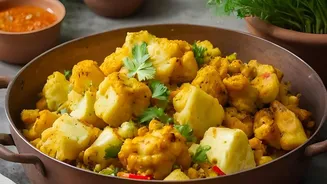
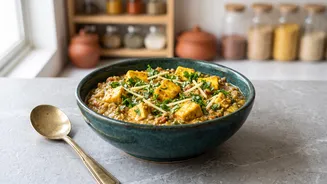
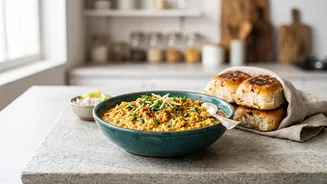
Making Paneer Ghotala is about building layers of flavour and texture. The process begins by heating a combination of oil and butter in a pan. The aromatics—onions, ginger, garlic, and chillies—are sautéed until soft. Then come the tomatoes, which are cooked down until they are soft and mushy, and the mixture thickens. This is when the spices are added, including a generous amount of pav bhaji masala, and toasted for a minute to release their aroma. The star of the show, the grated or crumbled paneer, is added next. As you mix it into the masala, you gently mash and press it with your spoon. This action is the 'ghotala' itself, breaking down the paneer and allowing it to absorb all the flavours of the spicy, buttery gravy, creating a cohesive, savoury mixture.
Achieving That Street-Style Finish
To elevate your homemade ghotala to true street-food status, the final touches are everything. As the dish simmers, many vendors add a splash of cream or malai for an extra creamy texture. An even more common addition for that signature indulgent finish is a handful of grated processed cheese, stirred in until it melts completely into the mixture. This makes the ghotala irresistibly rich and gooey. Just before serving, a final dollop of butter is often added on top, along with a generous garnish of fresh, chopped coriander leaves. Some recipes also call for a pinch of kasuri methi (dried fenugreek leaves) at the end to add a final layer of earthy aroma.
How to Serve Your Creation
The classic and most authentic way to serve Paneer Ghotala is with soft, fluffy pav rolls. These aren't just plain rolls; they are typically sliced halfway, generously buttered, sprinkled with a little red chilli powder or pav bhaji masala, and toasted on a tawa until golden and slightly crisp. The warm, buttery pav is the perfect vehicle for scooping up the spicy, messy paneer mixture. For a truly authentic experience, serve it with a side of finely chopped raw onions for a sharp, crunchy contrast. While pav is traditional, this versatile dish also pairs wonderfully with roti, paratha, or even as a decadent filling for a dosa or sandwich.