



Why Your Breakfast Needs More Protein
A protein-rich breakfast is a powerful way to start your day. Unlike carbohydrate-heavy meals that can lead to a mid-morning slump, protein provides sustained energy. It helps keep you feeling full and satisfied for longer, reducing the urge to snack
on unhealthy options before lunch. For vegetarians and those on plant-based diets, getting enough protein requires a bit of planning, and breakfast is the perfect opportunity. Incorporating more protein at the start of your day supports muscle health, metabolism, and can even help with weight management by promoting satiety. Making this small change to a beloved traditional meal is an easy win for your overall health.
The Power Players: Which Seeds to Use
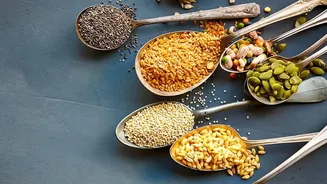
Not all seeds are created equal when it comes to protein. For a potent blend, focus on a mix of seeds that offer a range of nutrients. Pumpkin seeds are a standout, with some varieties offering as much as 19 grams of protein per 100 grams. They are also rich in magnesium and zinc. Sunflower seeds are another excellent choice, providing about 21 grams of protein per 100g and a good dose of Vitamin E. Flax seeds (alsi) bring around 18 grams of protein per 100g, along with the major benefit of being one of the best plant-based sources of omega-3 fatty acids. Chia seeds offer both protein and a significant amount of fibre and calcium. Combining these four creates a balanced, nutrient-dense powder that is more than just a protein supplement.
Creating Your Protein-Seed Blend
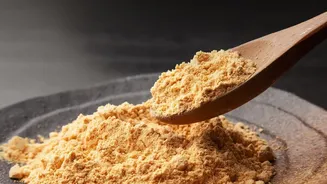
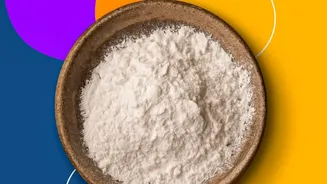
Making your own seed powder is simple and much more economical than buying pre-made protein mixes. Start with raw, unsalted seeds for the best nutritional value. 1. Gather Your Seeds: A good starting ratio is equal parts pumpkin seeds, sunflower seeds, flax seeds, and chia seeds. For example, use 1/2 cup of each. 2. Lightly Roast (Optional but Recommended): Gently dry roast the pumpkin and sunflower seeds in a pan over low heat for just a few minutes until they are fragrant. This enhances their nutty flavour. Let them cool completely. Flax and chia seeds are best used raw to protect their delicate fats. 3. Grind to a Powder: Combine all the seeds in a high-powered blender or a dry spice grinder. Grind in short bursts until you have a fine powder. Avoid over-grinding, as the oils from the seeds can turn the powder into a paste. 4. Store Correctly: Transfer the powder to an airtight glass container and store it in the refrigerator. The healthy fats in seeds can go rancid if left at room temperature, so keeping it cool preserves its freshness and nutritional benefits.
How to Use It in Your Batters
The beauty of this seed blend is its versatility. You can add it to most traditional Indian breakfast batters without altering the taste or texture significantly. For fermented batters like idli and dosa, add the seed powder after the batter has completed its fermentation process. Adding it before might affect the delicate balance of yeasts and bacteria. A general rule of thumb is to add 2-3 tablespoons of the seed powder for every 2 cups of batter. Stir it in just before you start making your dosas or steaming your idlis. The powder integrates seamlessly. You can also use this blend in other breakfast staples like cheela, adai, uthappam, and even in your morning roti or paratha dough by mixing it with the flour. For adai, which is already protein-rich from lentils, this blend adds a different nutritional dimension.
Tips for Perfect Protein-Boosted Breakfasts
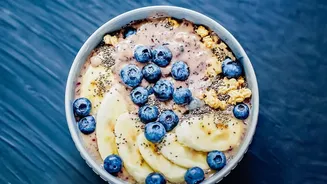
To ensure your culinary creations are a success, keep a few things in mind. The seed powder will absorb some liquid, so you may need to add a splash of extra water to your batter to get the right consistency. Don't be afraid to experiment with the seed ratios. If you love the benefits of flax, feel free to add a little more. Some recipes even suggest adding the seed powder directly into things like smoothies, oatmeal, or sprinkled over yogurt, making it a multi-purpose kitchen staple. The key is consistency; adding just a spoonful or two to your daily meals can significantly contribute to your protein and nutrient intake over time.