


1. The Humble Power of Dal
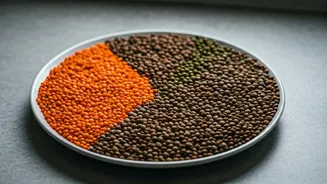
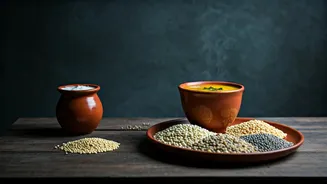
Long before protein powders became a multi-crore industry, there was dal. This simple staple of every Indian household is a nutritional powerhouse. Lentils are packed with plant-based protein, essential for muscle repair and building, and are an incredible
source of dietary fibre. This fibre aids digestion, helps maintain stable blood sugar levels, and keeps you feeling full and satisfied, reducing the urge to snack on unhealthy options. Whether it’s toor, masoor, or moong, a simple bowl of dal provides a complex mix of iron, magnesium, and folate. It’s the ultimate comfort food that works tirelessly to keep your body running smoothly, proving that you don’t need an expensive subscription for high-quality protein.
2. Dahi: The Gut’s Best Friend
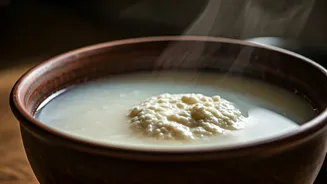
Your grandmother was right to insist you have a bowl of dahi (yogurt) with your meals. Far from being just a simple side dish, homemade curd is a potent probiotic. It’s teeming with live bacteria that are crucial for a healthy gut microbiome. A balanced gut is linked to better digestion, stronger immunity, and even improved mental health. Packaged, flavoured yogurts are often loaded with sugar, but traditional, plain dahi is a clean source of calcium for strong bones and teeth. It’s a natural coolant for the body, making it perfect for India’s climate. So, instead of splurging on pricey probiotic supplements, look to this classic food for everyday gut support.
3. Turmeric: The Golden Healer
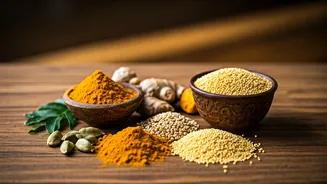
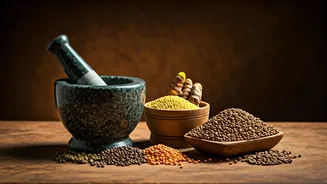
The West may have recently discovered the 'golden latte', but for centuries, haldi (turmeric) has been the cornerstone of Indian cooking and Ayurvedic medicine. Its magic lies in curcumin, a compound with powerful anti-inflammatory and antioxidant properties. Chronic inflammation is a root cause of many modern lifestyle diseases, and curcumin helps fight it at a molecular level. As an antioxidant, it neutralises harmful free radicals in the body, protecting your cells from damage. The simple act of adding a pinch of turmeric to your sabzi or dal is a daily dose of preventative medicine that modern science is only now beginning to fully appreciate.
4. The Mighty Millet Renaissance
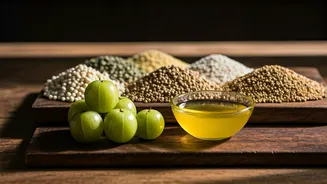
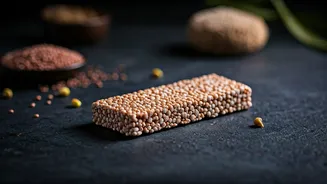
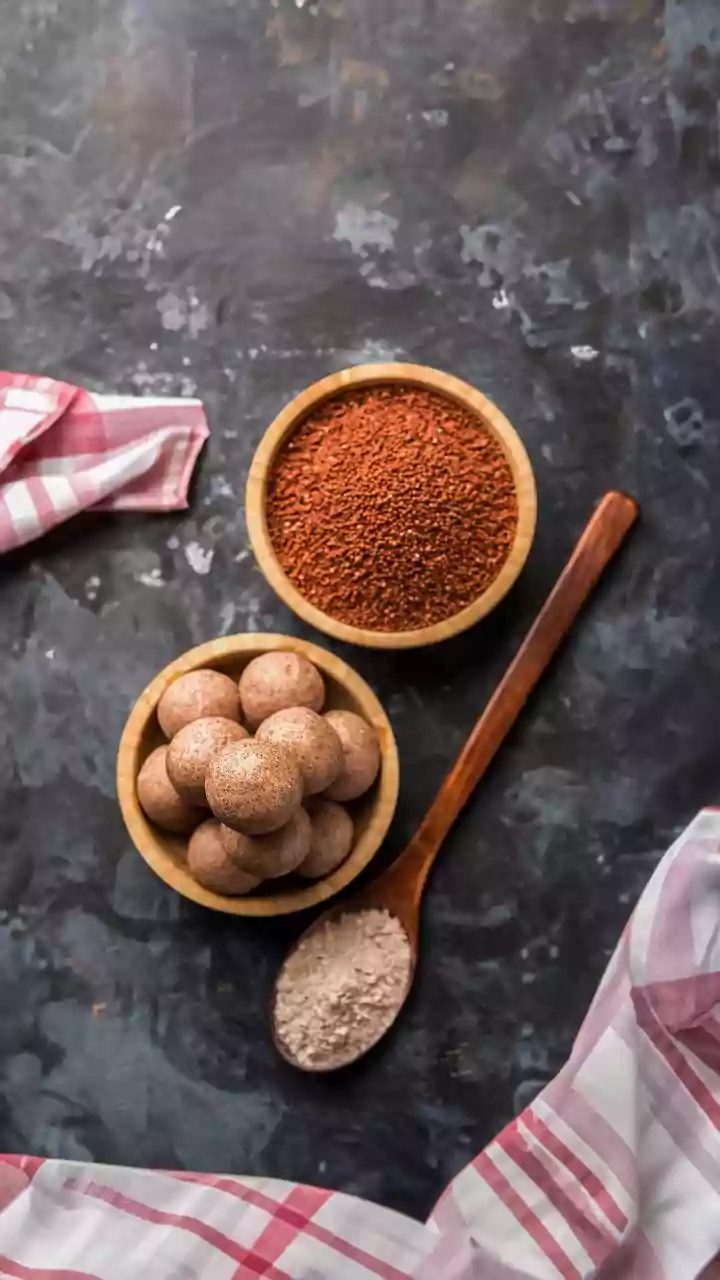
Before wheat and rice dominated our plates, millets like jowar, bajra, and ragi were the grains of choice across India. Now, these ancient grains are making a well-deserved comeback. Millets are naturally gluten-free and have a lower glycemic index than refined grains, which means they release sugar into the bloodstream more slowly. This makes them an excellent choice for managing blood sugar levels and for sustained energy. They are also rich in fibre, vitamins, and minerals. Being hardy crops that require little water, they are not only good for you but also for the planet. Swapping out a refined flour chapati for a bajra or jowar roti is a simple, powerful step back to our nutritious roots.
5. Ghee: The Misunderstood Superfood
For years, ghee was unfairly villainised, blamed for cholesterol and heart issues. However, the narrative has thankfully shifted. Pure, desi ghee, when consumed in moderation, is an incredibly healthy fat. It is rich in fat-soluble vitamins like A, E, and D, and contains butyric acid, a short-chain fatty acid that supports gut health and reduces inflammation. Ghee has a high smoke point, which means it doesn’t break down into harmful free radicals when heated, making it a much safer cooking medium than many refined vegetable oils. A spoonful of ghee on your roti or in your dal not only adds immense flavour but also helps your body absorb nutrients more effectively. It’s a classic example of traditional wisdom being ahead of its time.
6. Khichdi: The Ultimate Detox Meal
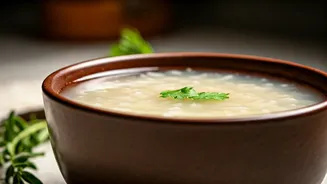
Often dismissed as food for the sick, khichdi is actually one of the most perfectly balanced and healing meals in the Indian culinary repertoire. The combination of rice (or millets) and lentils creates a complete protein profile, providing all the essential amino acids your body needs. It’s incredibly easy to digest, giving your digestive system a much-needed rest while still delivering a full spectrum of nutrients. Typically spiced with turmeric and ginger, it also carries anti-inflammatory and digestive benefits. Whether you’re recovering from an illness or just need a simple, wholesome reset, khichdi is a testament to the idea that healthy food can be both simple and profoundly nourishing.