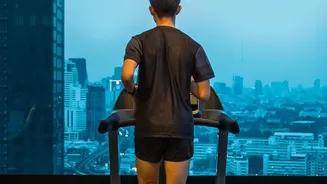






You exercise to stay healthy, but what if the very air you breathe is working against you? When you run, cycle, or train outdoors, you inhale more air and, with it, more pollutants that can harm your lungs and performance.
Why Exercise Makes You More Vulnerable
During intense physical activity,
your breathing rate skyrockets. At rest, you might inhale about 6 litres of air per minute, but during a hard workout, that number can jump to 90 litres or more. You also switch from breathing primarily through your nose—your body’s natural filter—to breathing through your mouth. This allows cold, dry, and unfiltered air to bypass your nasal passages and travel deeper into your lungs. This combination means you're delivering a much higher dose of any airborne pollutants directly to your sensitive lower airways, where they can cause the most trouble.
The Main Culprits: Ozone and Particulate Matter
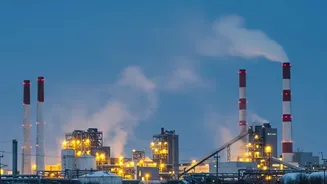
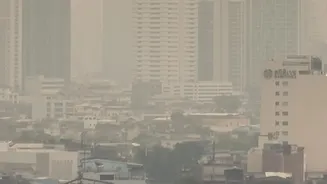
While many pollutants can affect your health, two are particularly concerning for outdoor fitness enthusiasts: ground-level ozone and particulate matter (PM). Ozone, a primary component of smog, is not emitted directly but forms when sunlight reacts with pollutants from cars and industrial facilities. It's a powerful lung irritant that can cause chest pain, coughing, and shortness of breath. Particulate matter, especially the tiny particles known as PM2.5, is a complex mixture of solids and liquids including dust, soot, and smoke. These particles are so small they can penetrate deep into your lung tissue and even enter your bloodstream, causing inflammation and reducing lung function.
The Constriction Effect: How Your Airways React
When pollutants like ozone and sulfur oxides enter your airways, they trigger an inflammatory response. This irritation can cause the smooth muscles surrounding your airways to tighten and constrict, a process known as bronchoconstriction. This narrowing of the passages makes it harder for air to flow in and out of your lungs. You might experience this as wheezing, chest tightness, or a feeling of being out of breath disproportionate to your effort. For people who already have asthma, this effect can be even more pronounced, but even healthy athletes can experience what's called exercise-induced bronchoconstriction (EIB) when exercising in polluted air.
Short-Term Effects vs. Long-Term Risks
In the short term, exercising in poor air quality can immediately reduce your lung function, slow your pace, and make workouts feel much harder. You might feel symptoms like coughing or a sore throat right after your session. Over time, repeated exposure to high levels of pollution during exercise can contribute to more serious health issues. Studies have linked long-term exposure to PM2.5 and ozone with the development of chronic conditions like asthma, decreased lung function, and even an increased risk for cardiovascular events like heart attacks. The inflammation caused by pollutants puts ongoing stress on your entire system.
Smarter, Safer Workouts: How to Protect Yourself
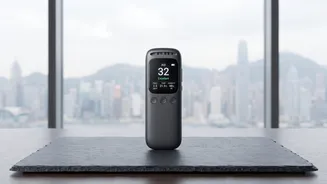
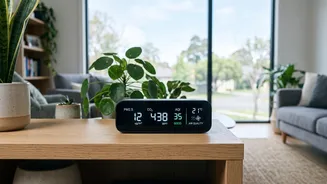
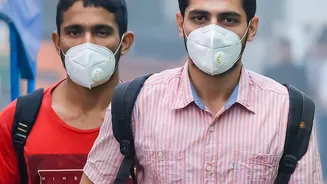
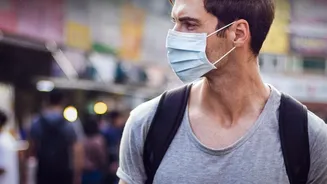
The good news is that you don't have to give up outdoor fitness. By being strategic, you can minimise your exposure. First, always check the Air Quality Index (AQI) before heading out. On days when pollution is high (generally an AQI over 100), it's best to move your workout indoors. If you do exercise outside, try to do so in the early morning when pollution levels are typically lower. Choose your route wisely: opt for parks and quieter side streets instead of roads with heavy traffic and tall buildings, which can trap pollutants. For lower-intensity workouts, focusing on nasal breathing can help filter some particles. On days with particularly bad air quality, studies have shown that wearing a well-fitting mask can effectively reduce the inhalation of pollutants.