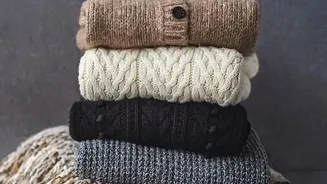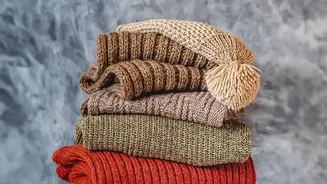





Wool garments are a wardrobe staple, prized for their warmth and durability. Yet, the fear of shrinking a beloved sweater keeps many from washing them properly. This guide demystifies wool care, offering simple, effective methods to keep your woollens
fresh.
First, Read the Care Label
Before you do anything, check the garment's care tag. This is your most important instruction manual. Some wool is 'hand-wash only', while specially treated 'superwash' wools might handle a gentle machine cycle. The label will guide you on the safest method and maximum temperature, usually advising cold or lukewarm water at or below 30°C to prevent shrinking. If a label says 'dry clean only', it is best to trust the professionals.
The Gentle Art of Hand-Washing
Hand-washing is the safest method for most woollens. Fill a clean basin with lukewarm water (around 20-30°C) and add a small amount of a pH-neutral wool-specific detergent. Submerge the garment, gently squeezing the soapy water through it. Avoid vigorous rubbing or wringing, which can cause the fibres to felt and lose their shape. Let it soak for about 10 minutes before rinsing thoroughly with cool, clean water until no suds remain.
Using Your Washing Machine Wisely
Many modern washing machines have a reliable wool or delicates cycle. If your garment's label permits machine washing, use this setting with cold water and a low spin speed, ideally 600 RPM or less. For extra protection against snagging and pilling, turn your garments inside out and place them in a mesh laundry bag. Only wash a few wool items at a time to prevent overcrowding and excessive friction in the drum.
Choosing the Right Detergent
Standard laundry detergents can be too harsh for wool, stripping its natural lanolin and causing fibres to become brittle. Always opt for a mild, pHndutral detergent specifically formulated for wool and delicates. Products like Woolite, Eucalan, or Soak are popular choices. In a pinch, a small amount of gentle baby shampoo can also work, as it is designed to be mild.
The Crucial Step: Drying Without Stretching
Never hang a wet wool sweater, as the weight of the water will stretch it out of shape. Instead, gently squeeze out excess water without wringing the garment. Lay it flat on a thick, clean towel, then roll the towel up with the sweater inside, pressing firmly to absorb more moisture. Unroll and lay the damp garment flat on a fresh, dry towel or a mesh drying rack away from direct sunlight or heat. Reshape the garment to its original dimensions while it's still damp.
Dealing with Pilling
Pilling—those small, fuzzy balls on the surface—is caused by friction during wear and washing. While it can be annoying, it is easily managed. The most effective tool is an electric fabric shaver, which safely trims the pills without damaging the yarn. A sweater comb is a gentler, traditional alternative that pulls the loose fibres away. For a quick fix, you can gently glide a disposable razor or an emery board over the pilled areas, but be careful not to press too hard.
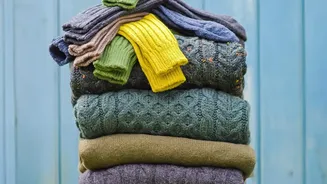
Before storing woollens for the season, make sure they are completely clean, as moths are attracted to dirt and body oils, not the wool itself. Always fold knitwear instead of hanging it to prevent stretching. Store your garments in breathable cotton bags or sealed plastic bins. Avoid mothballs and instead use natural repellents like cedar blocks or lavender sachets, which are effective and smell much better.