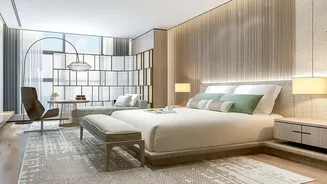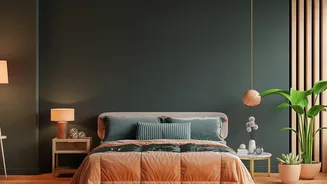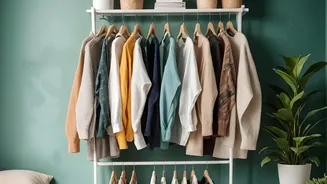





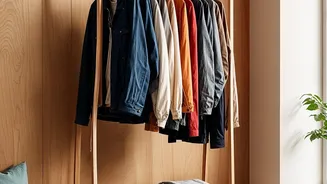
Living with a small bedroom often feels like a constant battle for space. But what if the solution isn't about getting rid of things, but looking up? Your walls are your most valuable, underused asset for creating a room that feels spacious and serene.
The First Principle: Think Vertically
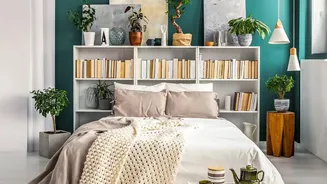
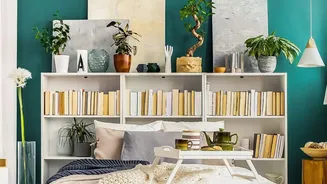
The fundamental fact of small-space design is to draw the eye upward. When you utilize vertical space, you trick the brain into perceiving the room as taller and more expansive. Instead of wide, bulky furniture that eats up precious floor area, opt for tall, narrow bookcases or shelving units. This approach uses the height of the room to its full advantage, providing storage without adding to the clutter on the floor. Even a simple design choice, like painting vertical stripes on a focal wall, can create an illusion of height, making the entire room feel more open and airy. The goal is to shift the focus from the limited floor plan to the expansive potential of the walls.
Go Beyond the Basic Bookcase
Shelving is essential, but it’s time to think beyond a single, traditional bookcase. Floating shelves are a small bedroom’s best friend. They offer storage for books, plants, and decor without the visual weight of a floor unit. Installing them above a desk, headboard, or dresser converts unused wall area into a functional and stylish display. Consider shallow picture ledges for a minimalist way to showcase art and photos, or corner shelves to activate dead space. The key is to see shelves not just as storage, but as a way to add personality and visual interest without consuming any floor space.
Wall-Mounted Furniture is Your Friend
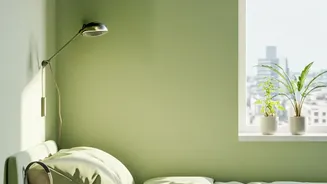
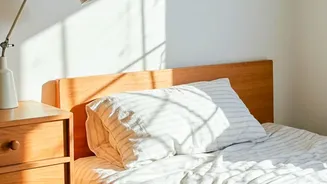
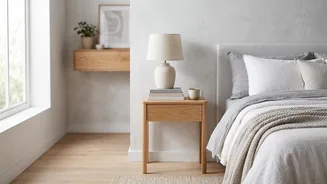
One of the most effective ways to free up the floor is to get your furniture to 'float'. Wall-mounted bedside tables are a game-changer, providing a spot for your lamp and nightly essentials while keeping the floor clear, which makes cleaning easier and the room feel less cluttered. If you need a workspace, a wall-mounted or fold-down desk provides a functional surface that can be tucked away when not in use, a perfect solution for multi-purpose rooms. Even your lighting can be moved to the walls. Swapping a bulky bedside lamp for a sleek wall sconce frees up the entire surface of your nightstand and adds a layer of sophisticated, ambient light.
The Undeniable Magic of Mirrors
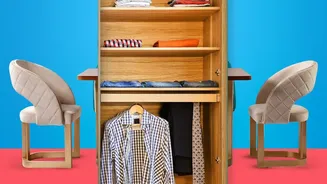
It’s a classic for a reason: mirrors are the single best tool for creating an illusion of space. They work by reflecting both light and the view, effectively tricking the eye into seeing more depth. For maximum impact, place a large mirror on the wall opposite a window. This will bounce natural light around the room, making it feel significantly brighter and more open. A full-length leaner mirror not only provides a practical spot to check your outfit but also draws the eye upward, enhancing the room's sense of height. Even mirrored wardrobe doors can be a clever two-in-one solution, providing essential storage while visually doubling the size of your room.
Common Mistakes to Avoid
Making good use of wall space also means knowing what not to do. A frequent mistake is overcrowding one wall with too many small items or shelves, which can make the space feel busy and chaotic. It's often more effective to use one or two larger pieces of art than a scattered gallery of small frames. Another pitfall is choosing furniture that is out of proportion; a tiny shelf on a large wall will look lost, while an oversized unit will dominate the room. Finally, resist the urge to push every single piece of furniture flush against the walls. Leaving even a small gap can create a sense of breathing room and prevent the layout from feeling static and cramped.