

The End of the 'Fast Furniture' Era?
For years, the model was simple: furnish a home quickly and affordably with factory-made, trend-driven pieces. This is 'fast furniture'—much like its fast fashion counterpart, it's designed to be inexpensive and disposable. Often made from lower-quality
materials like particle board, these items have a short lifespan and frequently end up in landfills after just a few years. But as consumers become more aware of the environmental cost of this throwaway culture, many are rethinking what they bring into their homes. The conversation is shifting from short-term convenience to long-term value, durability, and meaning.
A New Wave of Conscious Choices
The move towards vintage and upcycled items is driven by a powerful mix of factors. Sustainability is a major force, with a growing number of Indians preferring products that are kinder to the planet. Choosing a pre-loved or repurposed item directly reduces waste and the demand for new, resource-intensive manufacturing. Beyond the eco-consciousness, there's an emotional and aesthetic pull. Homeowners are increasingly seeking to create spaces that feel unique and personal, moving away from the uniform look of mass-market showrooms. This shift reflects a broader desire for authenticity and a connection to history and craftsmanship.
The Timeless Allure of Vintage
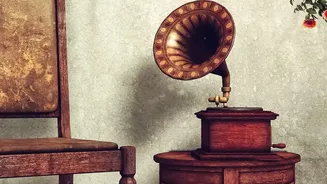
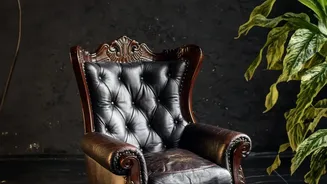
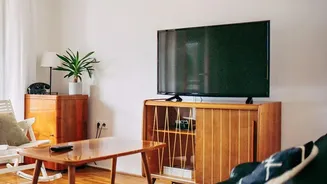
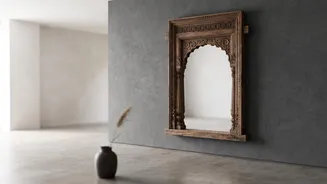
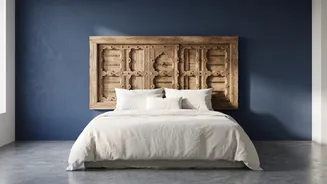
Vintage furniture brings something to a home that brand-new items cannot: a history. Each scratch, patina, or unique grain tells a story, adding a layer of character that cannot be replicated in a factory. In India, this trend connects deeply with a cultural tradition of preserving heirlooms, from jewellery to textiles. Furniture is now joining that legacy. These pieces were often built to last, using solid hardwoods and traditional joinery techniques that stand in stark contrast to modern flat-pack assembly. A vintage cabinet or a solid teak armchair not only serves a function but also acts as a focal point, imbuing a room with warmth and a sense of history. They are seen as investments that hold their value and can be passed down through generations.
Upcycling: Where Creativity Meets Sustainability
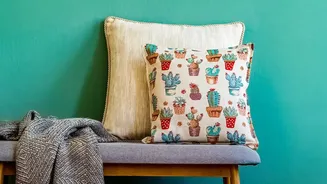
Upcycling is the art of turning discarded objects and materials into something new, functional, and beautiful. This trend is exploding across India, with creative homeowners and homegrown brands transforming everything from old tyres and discarded wood to glass bottles and fabric scraps into unique decor. An old door might become a tabletop, salvaged window frames turn into mirrors, and leftover textiles are stitched into vibrant cushion covers. This approach is not just environmentally responsible; it’s a celebration of ingenuity. It allows for truly one-of-a-kind pieces that reflect personal style and resourcefulness, challenging the conventional boundaries of design.
The New Aesthetic of Indian Homes
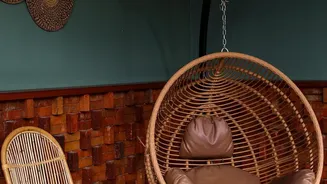
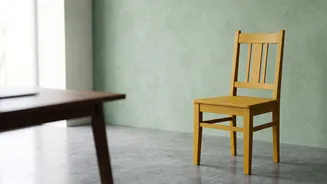
So, what does this shift look like in practice? Indian home makeovers are becoming more eclectic and layered. The goal is no longer a perfectly coordinated, showroom-style interior. Instead, the new ideal is a space that thoughtfully mixes old and new. A sleek, modern sofa might be paired with a beautifully aged wooden chest; a contemporary dining table could be surrounded by mismatched, upcycled chairs. This blend creates interiors that are rich in texture, personality, and narrative. It’s about creating a home that feels collected and curated over time, rather than bought in a single shopping trip. The result is a living space that is not only stylish and sustainable but also deeply and authentically personal.