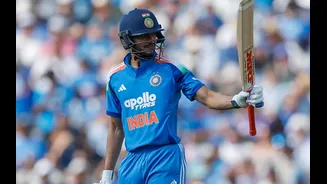

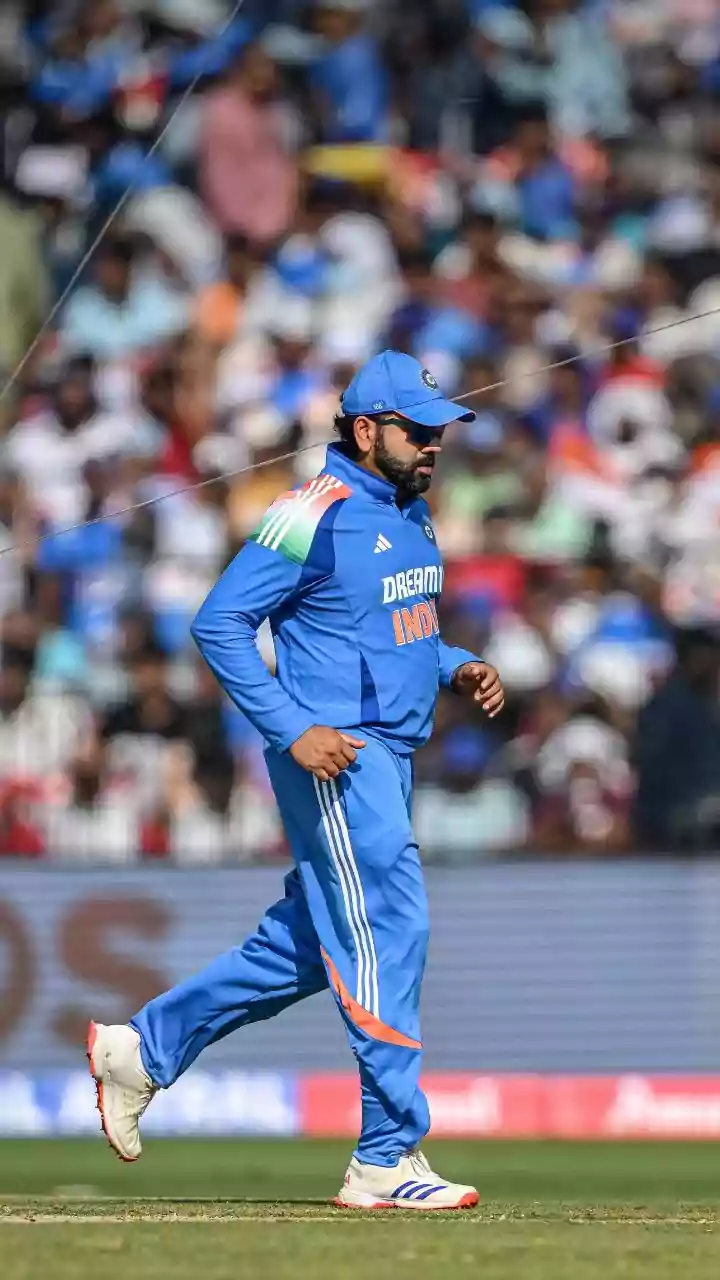

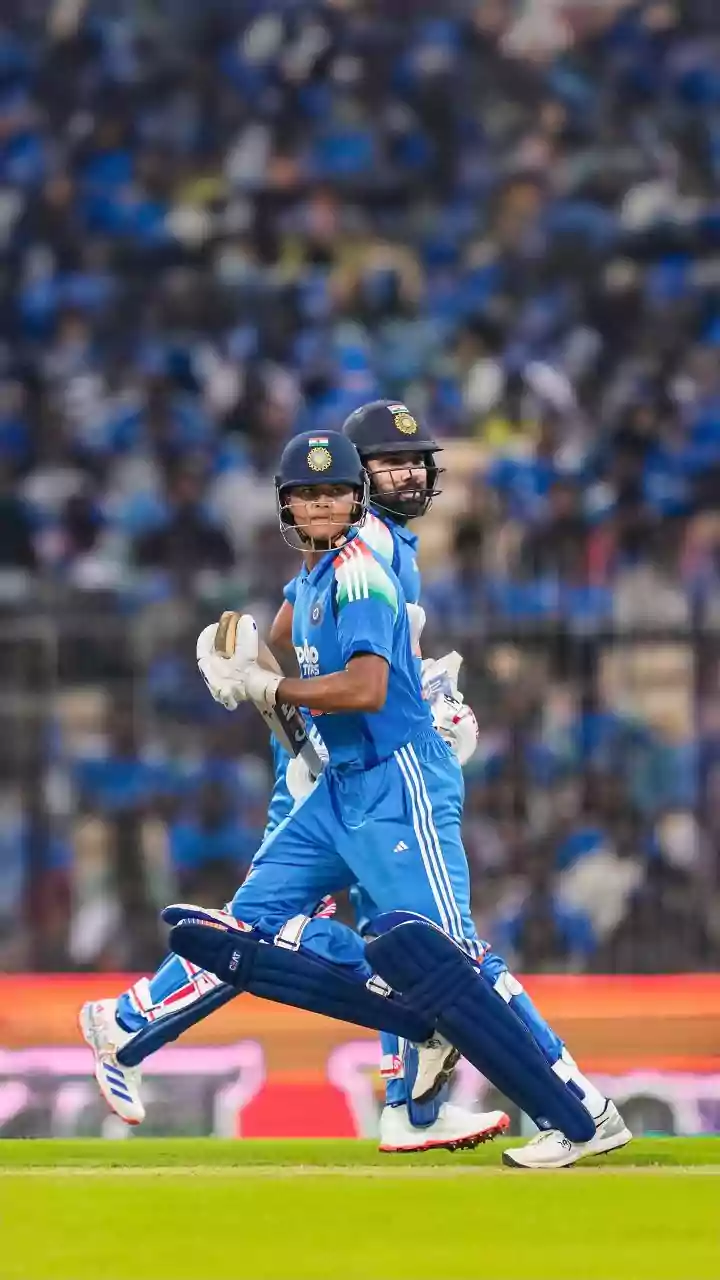

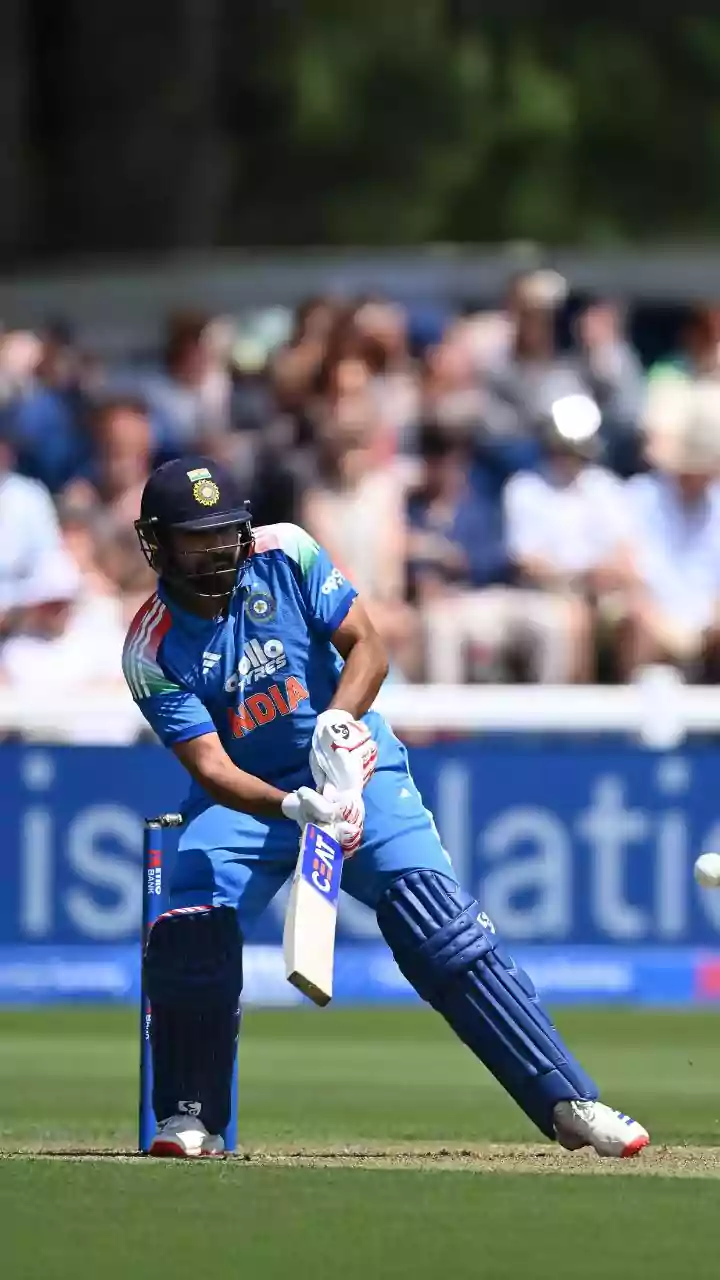



Does he still want to play?
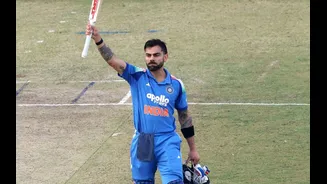
This is the most crucial question, and the answer from the man himself is a clear yes. Kohli has spoken about his desire to play in the 2027 ODI World Cup. However, he has attached a significant condition. In recent interviews, Kohli has stated that he will
only continue if he feels he can add value to the team and if the team environment values his contribution. He has been firm that at this stage of his career, he is not interested in constantly having to prove his worth. His stance is simple: his commitment and work ethic are non-negotiable, and if that is valued, he is ready to play.
Is his form and fitness good enough?
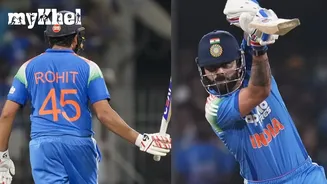
Even as he has stepped away from other formats, Kohli's ODI numbers and fitness levels remain elite. Having retired from Tests and T20Is in 2025 and 2024 respectively, his focus is now singular. In recent ODI appearances, his performances have been strong, silencing critics who questioned if his best days were behind him. His exceptional fitness is a hallmark of his career, and he has explicitly stated his readiness to field for 50 overs and play with the same intensity he always has. While any player can have a dip in form, as seen with a low score in the recent first ODI against England, the consensus is that his skill and physical conditioning are still at a world-class level.
What is the team's long-term plan?
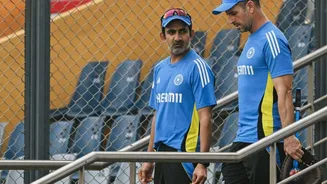
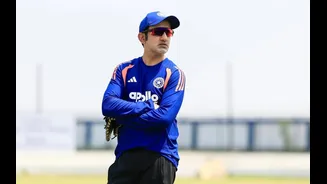
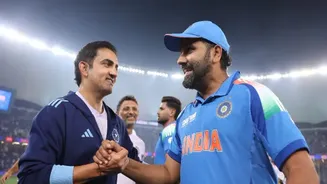
This is where the debate gets complex. With the 2027 World Cup as the next major 50-over target, the Indian team management, led by coach Gautam Gambhir and captain Shubman Gill, is in a phase of planning and transition. Gill has publicly confirmed that Kohli is very much a part of India's plans for the 2027 tournament, revealing that the two have even discussed strategy and team combinations. The management seems to be building a core group of players for the World Cup, and the experience of veterans like Kohli and Rohit Sharma is considered invaluable. However, there is also a clear intent to test young talent, which means competition for places will be high.
What about the rise of young talent?
India has a wealth of batting talent coming through the ranks. Players like Yashasvi Jaiswal, Ruturaj Gaikwad, and others are making strong cases for inclusion, leading to the inevitable discussion about making way for the next generation. While fans and pundits debate this, the team management's approach seems to be about finding a balance. India's captain Shubman Gill has highlighted the importance of having senior players like Kohli in the dressing room to guide the team, especially in high-pressure tournaments. The challenge for selectors is not necessarily to choose between youth and experience, but to integrate them effectively to build the strongest possible squad for 2027.
So, what is the final verdict?
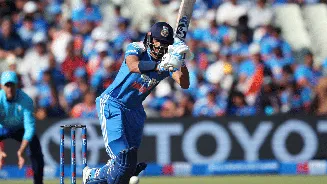
There is no final verdict yet, and the situation remains fluid. The BCCI has remained tight-lipped, stating that strategic decisions about the futures of senior players are internal matters and will not be debated publicly. Virat Kohli has made his position clear: he is willing and able, but on his own terms of mutual respect and value. The team captain has endorsed him as a key part of the future. For now, Kohli remains a central figure in India's ODI setup. His performance in upcoming series, like the current one in England, will be closely watched, not just for the runs he scores, but for how he fits into the evolving blueprint for the 2027 World Cup.






![[Watch] MS Dhoni shares a light moment with young fan at Edgbaston during India's ODI opener](https://g-mob.glance-cdn.com/public/fc/image/9f_o2oF9rWu0.webp)