

What is Vessel Elasticity?
Think of your arteries and blood vessels as super-highways for blood. For everything to flow smoothly, these highways need to be flexible. Vessel elasticity is the ability of your arteries to stretch and recoil with each heartbeat. This elasticity helps
maintain a healthy blood pressure and ensures that oxygen-rich blood efficiently reaches all your organs. As we age, or due to lifestyle factors, arteries can become stiff, a condition known as arterial stiffness. This forces the heart to work harder to pump blood, increasing the risk of cardiovascular events like heart attacks and strokes.
The Tale of Two Fats
Dietary fats are often misunderstood, but they are essential for our bodies. The conversation really comes down to the type of fat you consume. Saturated fats, which are typically solid at room temperature, are found in foods like butter, ghee, lard, red meat, and coconut oil. While not inherently bad in moderation, a diet high in saturated fat has been linked to higher levels of LDL ('bad') cholesterol and impaired endothelial function—the health of the inner lining of your blood vessels. Unsaturated fats, on the other hand, are typically liquid at room temperature and are found in plant sources like oils, nuts, and avocados. These are further divided into monounsaturated and polyunsaturated fats (which include omega-3 and omega-6 fatty acids).
How Plant Oils Boost Flexibility
The magic of unsaturated fats lies in their effect on the endothelium. When you replace saturated fats with unsaturated fats from plant oils, you're making a trade that benefits your blood vessels directly. Research shows that diets high in saturated fats can cause inflammation and impair the endothelium's ability to function properly. Conversely, unsaturated fats, especially polyunsaturated ones, help reduce inflammation and support the production of nitric oxide. Nitric oxide is a crucial molecule that tells your blood vessels to relax, which improves blood flow and maintains their elasticity. Studies have found that replacing saturated fats with polyunsaturated vegetable oils can reduce the risk of heart disease by up to 30%, an effect similar to that of cholesterol-lowering medications.
Choosing Your Kitchen Champions
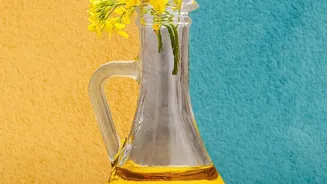
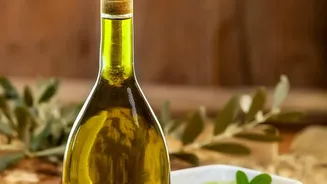
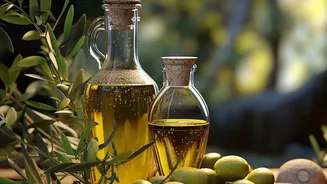
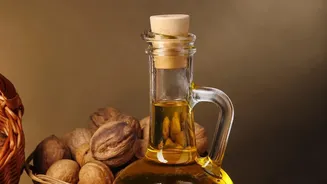
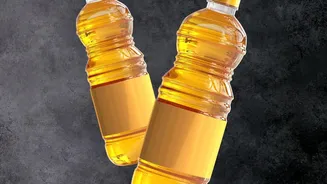
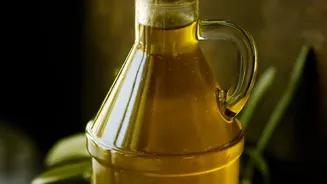
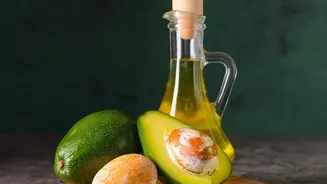
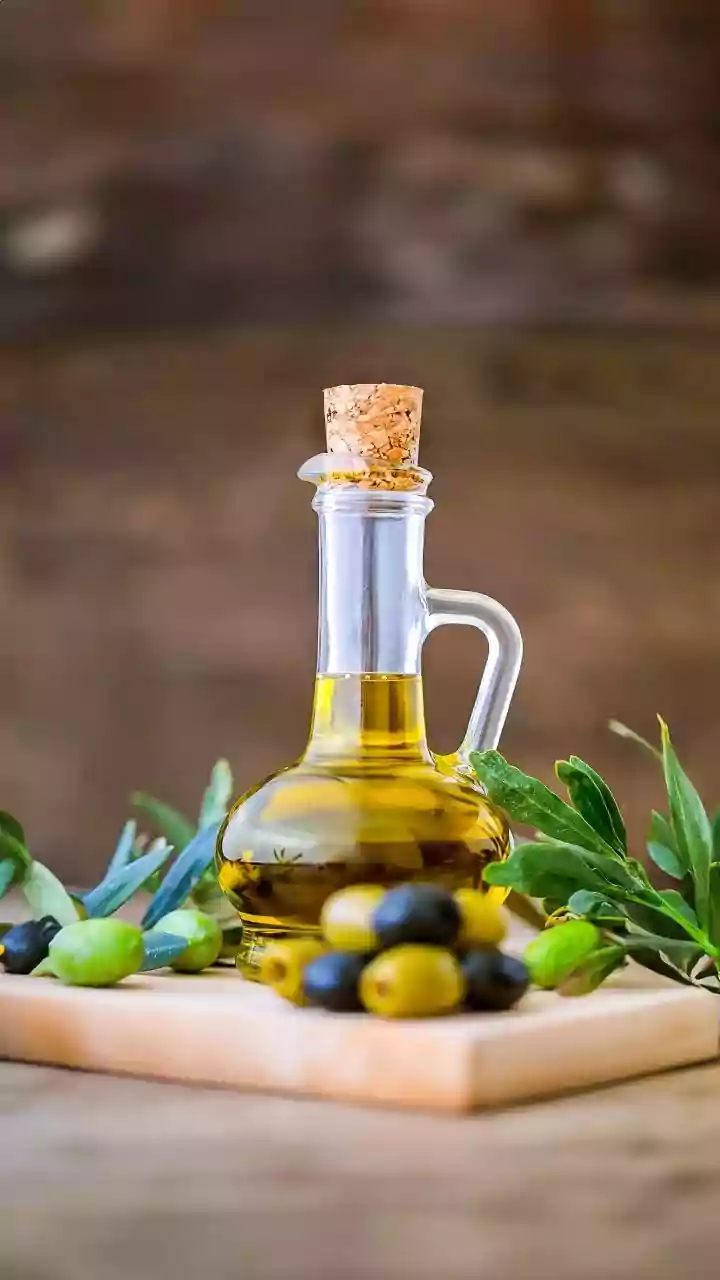
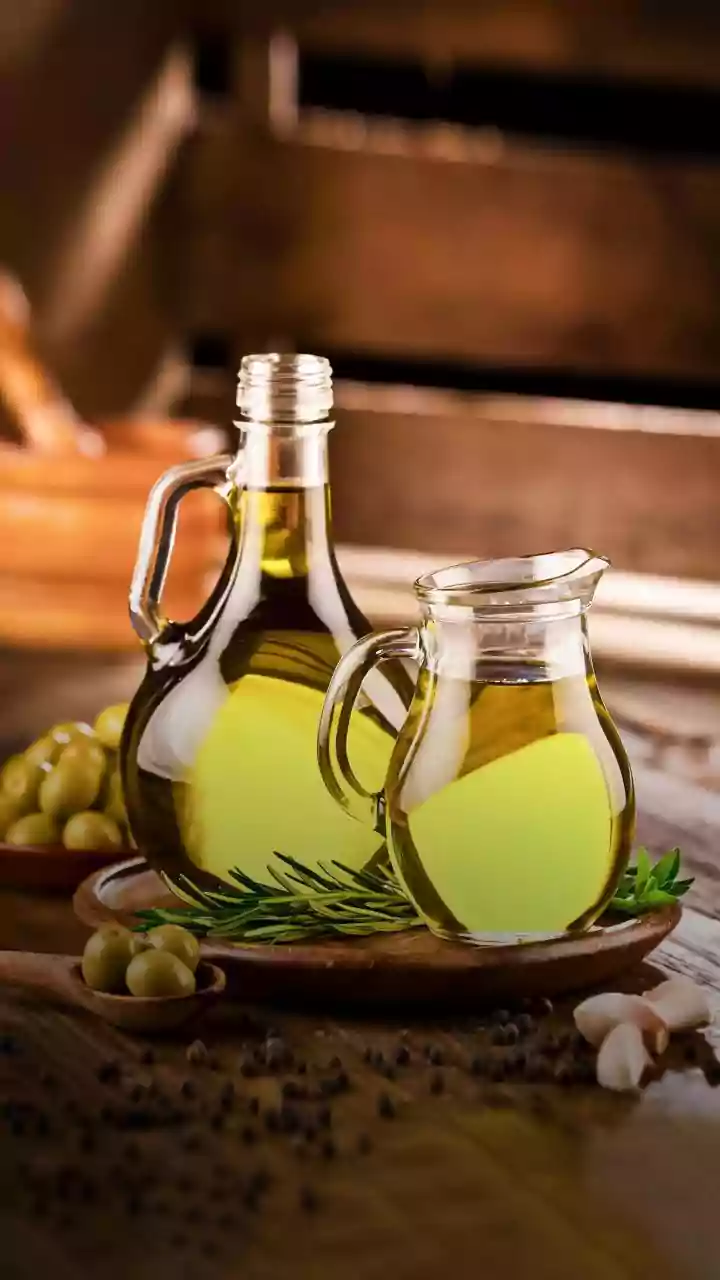
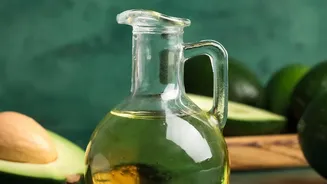
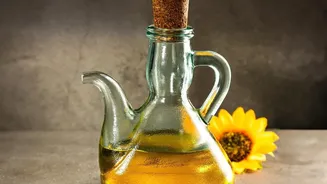
Making the switch is easier than you think, and there is a wide variety of healthy oils to choose from. Extra virgin olive oil, a staple of the heart-healthy Mediterranean diet, is rich in monounsaturated fats and antioxidants. Canola oil is another excellent choice, offering a good balance of monounsaturated and omega-3 fats. For cooking at higher temperatures, avocado oil is a great option. Oils like sunflower, soybean, and corn oil are also good sources of unsaturated fats that support heart health. While versatile, it's wise to be mindful of oils high in saturated fats, such as palm and coconut oil, and use them more sparingly. When shopping, look for oils with less than 4 grams of saturated fat per tablespoon.
Simple Swaps for a Healthier Heart
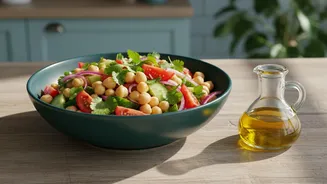
Incorporating these changes into your daily routine doesn't require a complete dietary overhaul. Start with small, manageable swaps. Try sautéing vegetables in olive oil instead of butter. Use a light vinaigrette made with mustard oil or flaxseed oil on your salads instead of a creamy, dairy-based dressing. When baking, you can often substitute a portion of the butter or lard with canola oil. Pay attention to food labels on packaged goods, as they can be a hidden source of saturated fats. Focusing on whole-food sources of unsaturated fats, like nuts, seeds, and avocados, can also displace less healthy saturated fats in your diet, conferring substantial health benefits over the long term.