



From Itinerary to Inspiration
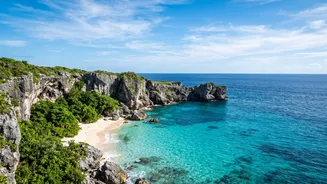
The traditional way of planning a trip was methodical. You chose a destination, researched flights and hotels, and then looked up a list of things to do. Now, that process has been inverted. A stunning drone shot of a hidden beach in the Andamans, a fast-paced
food tour of an Old Delhi lane, or a cinematic clip of a bike ride through Spiti Valley—these are the new starting points. According to a recent Google report, a staggering 90% of Indian travellers start their research online, with Instagram and YouTube being the most popular platforms for travel inspiration among younger audiences. Short videos, powered by algorithms designed to feed you what you love, are no longer just entertainment; they are the new travel agents, working 24/7 to spark your next adventure.
The Search for an Experience, Not Just a Place
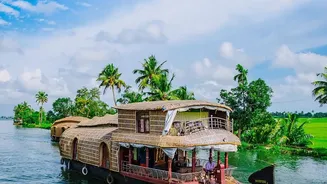
Travel experts note a significant shift in how people approach trip planning. The primary question is no longer “Where should I go?” but “What do I want to experience?”. People are chasing a feeling, a specific moment they saw online. It could be the joy of a homestay in Kerala, the thrill of seeing a tiger in Ranthambore, or the peace of a sunrise trek in the Himalayas. This is a move away from checkbox tourism—seeing the top five sights—towards finding unique, shareable moments. Short videos excel at conveying this emotional texture, making viewers feel like they can access that same experience. Destinations themselves are often secondary to the activity, whether it's attending a specific music festival, trying a viral food trend, or visiting a location from a popular web series.
The Rise of the 'Relatable' Travel Guide
A key reason for this shift is the power of authenticity, or at least perceived authenticity. Instead of glossy tourism board commercials, travellers are turning to creators who look and sound like them. These influencers and even casual users offer a ground-level view that feels more trustworthy. They share tips on what scams to avoid, how much things actually cost, and what a place truly feels like, unfiltered by professional marketing. For many, especially Gen Z and millennials, a recommendation from a creator they follow holds more weight than a five-star review on a booking site. This has created a booming ecosystem of Indian travel influencers whose content, from cinematic drone footage to simple walk-throughs, directly drives bookings and travel trends.
How the Travel Industry Is Adapting
The travel and tourism industry has been quick to notice this change. Hotels, homestays, and tour operators are no longer just advertising rooms; they are creating “Instagrammable” corners and experiences designed to be shared. Many now collaborate directly with content creators to showcase their properties to a built-in audience. Tourism boards for states and even entire countries are shifting their budgets towards digital campaigns and influencer marketing, realising that a viral Reel can generate more interest than a traditional ad campaign. Some booking platforms are even integrating AI tools that help users build an itinerary based on the kind of 'vibe' they are seeking, directly bridging the gap between video inspiration and a booked ticket.
The 'Reel' vs. The Real
While this new mode of discovery has made travel more accessible and inspiring, it's not without its downsides. The pressure to capture the perfect video can sometimes overshadow the experience itself, turning a holiday into a content-creation trip. Furthermore, destinations that go viral can suffer from overtourism, losing the quiet charm that made them special. There is also the risk of disappointment when a location doesn't live up to its highly edited, colour-graded, and perfectly framed video counterpart. A 30-second clip can easily hide crowds, bad weather, or the less glamorous aspects of travel, creating a gap between digital fantasy and real-world experience.