






Look around the modern Indian home, and you'll notice a quiet shift. The lush, leafy foliage of traditional houseplants is making way for the sculptural, minimalist beauty of desert plants. Here’s why this trend is taking root in urban spaces.
The Allure of Low Maintenance
For busy
professionals and first-time plant parents in cities like Bengaluru, Mumbai, and Pune, the primary appeal of desert plants is their forgiving nature. Succulents and cacti are famously drought-tolerant, storing water in their fleshy leaves and stems. This quality makes them perfect for hectic lifestyles where daily watering isn't always feasible. Unlike tropical plants that demand consistent moisture, these hardy varieties thrive on a 'less is more' approach, making them resilient companions in urban apartments. The risk of overwatering is often a bigger threat than neglect, a welcome relief for many new gardeners.
A Perfect Match for Modern Aesthetics
The trend towards minimalist and contemporary interior design has found a perfect partner in desert plants. Their clean lines, geometric shapes, and varied textures—from the architectural columns of a cactus to the delicate rosettes of an Echeveria—act as living sculptures. They complement the modern aesthetic popular in urban homes, adding a touch of green without creating visual clutter. Highly photogenic, these plants are staples on social media platforms like Instagram and Pinterest, further fuelling their popularity among a style-conscious generation looking to beautify their spaces.
Popular Choices for Indian Balconies
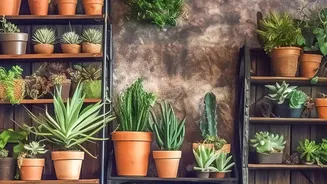
Several varieties of desert plants are particularly well-suited to the Indian climate and are easy to find. The Jade Plant, considered a symbol of good luck, is extremely low-maintenance and can live for decades. Aloe Vera is another favourite, valued for its medicinal properties and tolerance for Indian heat. For smaller spaces or areas with less direct sun, the Haworthia, with its distinct zebra-like stripes, is an excellent choice. Cacti like the Golden Barrel and Bunny Ear are perfect for sunny balconies, offering striking shapes with minimal water needs. The Snake Plant, technically a succulent, is nearly indestructible and thrives even in low-light conditions, making it a top choice for beginners.
Essential Care for Urban Gardeners
Growing desert plants successfully comes down to a few key principles. First is sunlight; most succulents and cacti need bright light to flourish, making a south or west-facing window or balcony ideal. However, some, like Haworthia, prefer indirect light. The second, and most critical, rule is watering. It's crucial to let the soil dry out completely between waterings to prevent root rot. During humid monsoon months, watering frequency should be reduced even further. Finally, the right soil is non-negotiable. A well-draining potting mix, typically a combination of soil, coarse sand, and perlite, is essential to keep the roots healthy and dry.
A Smart, Sustainable Choice
Beyond aesthetics and convenience, the move towards desert plants aligns with a growing awareness of sustainability. In many Indian cities facing water constraints, choosing plants that require less water is a responsible decision. This trend is part of a larger shift in urban gardening that includes water-saving habits and selecting native or climate-appropriate species. By opting for plants that are naturally suited to warmer, drier conditions, city dwellers are creating green spaces that are not only beautiful but also practical and environmentally conscious. The rise of the desert plant is less a fleeting trend and more a smart adaptation to the realities of modern urban living.