




Why Humidity Makes Cramps Worse
Exercising in hot and humid conditions is a different ball game. The moisture in the air slows down the evaporation of sweat, which is your body's primary cooling system. This means your body has to work harder to regulate its temperature, leading to a faster
rise in core temperature and increased sweating. This excessive sweating causes a rapid loss of both fluids and essential minerals called electrolytes. Dehydration and an imbalance in these electrolytes are widely considered major triggers for those painful, involuntary muscle contractions known as cramps. When your muscles don't have enough fluid, they can become tense, stiff, and more prone to cramping.
Understanding Your Body's Electrolytes
Think of electrolytes as the minerals that carry an electric charge in your body. They are vital for countless functions, including maintaining proper fluid balance, regulating nerve signals, and enabling muscle contractions and relaxation. The main electrolytes involved in muscle function are sodium, potassium, magnesium, and calcium. When you sweat, you primarily lose sodium and, to a lesser extent, potassium. If these minerals are not replenished, the communication between your nerves and muscles can be disrupted, leading to a higher risk of spasms and cramps.
Nature's Sports Drink: Coconut Water
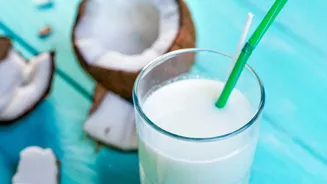
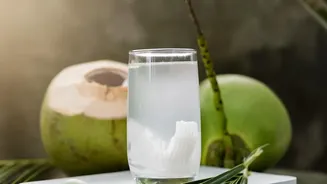
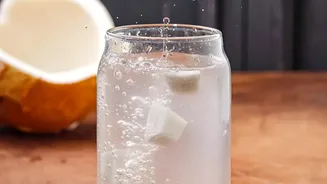
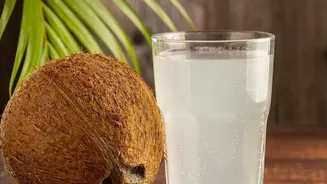
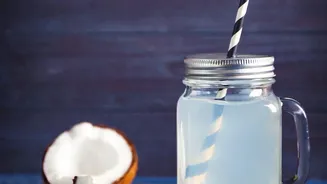
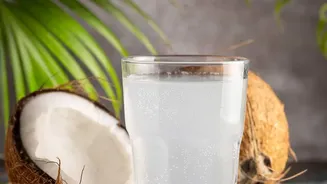
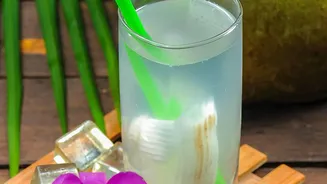
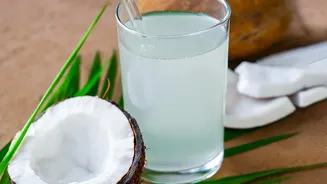
Coconut water has surged in popularity as a natural alternative to sugary sports drinks, and for good reason. It is naturally low in calories and rich in electrolytes, particularly potassium. In fact, a single serving of coconut water can contain more potassium than a banana. Potassium is crucial for helping to alleviate muscle cramps and plays a key role in regulating fluid balance within your cells. Some studies have even found that for rehydration purposes after moderate exercise, coconut water can be as effective as commercial sports drinks.
The Unsung Hero: A Pinch of Salt
For years, salt (sodium) has been viewed as a dietary villain. However, for active individuals who sweat a lot, it is a critical nutrient to replenish. Sodium is the primary electrolyte lost in sweat, and it plays a massive role in hydration, muscle contraction, and nerve signalling. When you lose too much sodium without replacing it, your body's fluid balance can be thrown off, increasing the likelihood of dehydration and cramps. Adding a small amount of salt to your pre-workout drink can help your body retain the fluid you drink, improve hydration, and proactively replace the sodium you are about to lose.
The Potent Pre-Workout Combination
This is where the magic happens. By itself, coconut water is high in potassium but relatively low in sodium, which is the main electrolyte lost during heavy sweating. Adding a pinch of salt addresses this shortfall perfectly. The combination creates a more balanced, homemade electrolyte drink. The potassium from the coconut water and the sodium from the salt work together to maintain proper fluid balance and support optimal nerve and muscle function. This simple duo provides the key minerals your body needs to fight off cramps during a strenuous session in the heat, making it a smart, natural, and cost-effective pre-workout choice.
How to Make and Use Your Drink
Creating your own pre-workout cramp-buster is incredibly simple. For a single serving, take about 250-300 ml of natural, unsweetened coconut water. Add a small pinch of good quality salt, such as pink Himalayan salt or sea salt, which also contain other trace minerals. Stir well until the salt is dissolved. For the best results, consume this drink about 30 to 45 minutes before you begin your workout. This gives your body enough time to absorb the fluids and electrolytes, preparing your muscles for the demands of exercising in a humid environment.