




Why a Dry Pet is a Healthy Pet
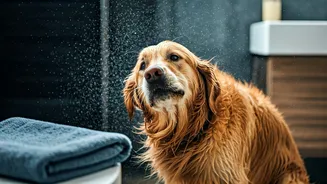
During the Indian monsoon, humidity can soar, creating the perfect environment for bacteria and fungi to thrive. [7, 13] When your dog’s fur remains damp after a walk, it traps moisture against their skin, which can quickly lead to painful skin infections,
yeast overgrowth, and hot spots. [7, 12, 13] These conditions are not just uncomfortable; they often require veterinary treatment. Beyond skin issues, constant dampness can lead to a foul 'wet dog' smell that permeates your home and can even make your pet feel cold and restless. [8, 14, 20] Establishing a consistent drying routine is one of the most effective preventive measures you can take to ensure your pet stays healthy and comfortable throughout the rainy season. [9, 12]
Assemble Your Drying Toolkit
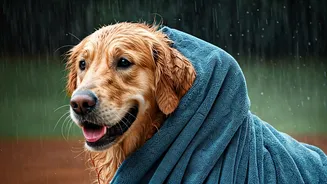
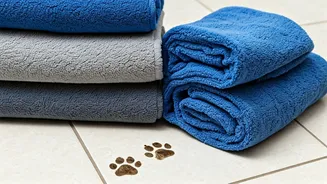
Before you can master the discipline, you need the right equipment. Forget old bath towels, which can be bulky and slow to dry. [23] Invest in a few highly absorbent microfibre towels specifically for your pet. [8, 23, 25] These are lightweight and absorb significantly more water, speeding up the process. [23] For paws, consider pet-safe wet wipes or a dedicated paw cleaner for removing mud and grime effectively. [5, 16] A pet-safe hairdryer is a useful addition for dogs with thick or long coats, but it must be used with caution. [5, 10] Finally, having antifungal powders or sprays recommended by your vet on hand can help manage moisture in problem areas. [4]
The Post-Walk Paw Protocol
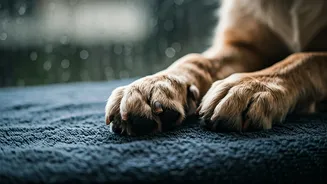
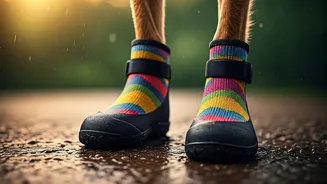
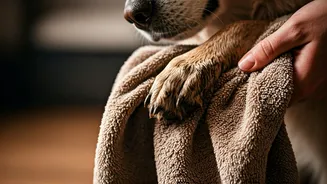
The most critical part of your drying discipline starts with the paws. They are the first point of contact with muddy, contaminated water, making them a primary site for infections. [6, 14] After every single walk, thoroughly clean and dry your pet’s paws. [6, 9] Use a soft cloth or wipe to clean between their toes and around the pads, where moisture and debris love to hide. [9, 18] Trimming the excess hair between their paw pads at the start of the season can also dramatically reduce the amount of mud and water they track inside. [2, 9, 22] This five-minute ritual is non-negotiable and is your first line of defense against most monsoon-related skin issues. [22]
Mastering the Full-Body Dry
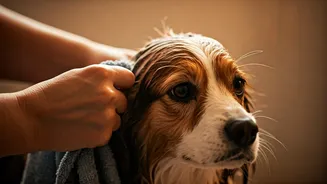
Once the paws are clean, move on to the rest of the body. Instead of rubbing vigorously, which can cause matting and tangles, press the microfibre towel firmly against your dog’s coat to blot and absorb moisture. [10] Start with the underbelly, chest, and tail, as these areas often get the wettest. Pay special attention to skin folds, armpits, and the area around the ears, as trapped moisture here can lead to fungal infections. [5, 6] For long-haired breeds, a quick once-over with a pet dryer on the lowest heat and speed setting can make all the difference, but ensure your pet is comfortable with the noise and sensation first. [10, 16]
Don't Forget the Ears
The humid monsoon weather creates a prime breeding ground for ear infections, especially in dogs with floppy ears like Labradors and Beagles. [4, 7] Moisture can easily get trapped in the ear canal, leading to yeast and bacterial growth. [7] After any exposure to rain, gently wipe the inside of your dog’s ear flap with a dry, soft cloth or cotton ball. Never insert anything into the ear canal itself. Regular checks for redness, discharge, or an unusual odour are crucial. [4] If you notice your dog shaking their head or scratching their ears more than usual, it’s time to consult your veterinarian. [7]
Proactive Grooming and Home Hygiene
Your drying discipline extends beyond the immediate post-walk routine. Regular brushing is vital during the monsoon to remove dirt, prevent mats that trap moisture, and improve air circulation to the skin. [2, 5] While you should avoid over-bathing, a bath every 15-20 days with a vet-approved anti-fungal shampoo can be beneficial. [5, 17] It’s also important to keep your pet’s environment clean and dry. Wash their bedding frequently in hot water and ensure it’s completely dry before they use it, as damp bedding is a hotspot for fungal spores. [4, 15, 20]